
Vehicle (means of transport)
A vehicle is a non-living device designed to carry people or goods. It includes wheeled land vehicles, boats, aircraft and spacecraft, and spans human-powered, motorized and electric types.
Overview
A vehicle is a non-living device designed to transport people, cargo or other payloads between locations. Vehicles span a wide range of complexity, from human-powered bicycles and handcarts to motorized cars, ships, aircraft and spacecraft. Although living creatures such as a horse can move people and goods, they are classified as an animal rather than a vehicle.
Image gallery
10 Images
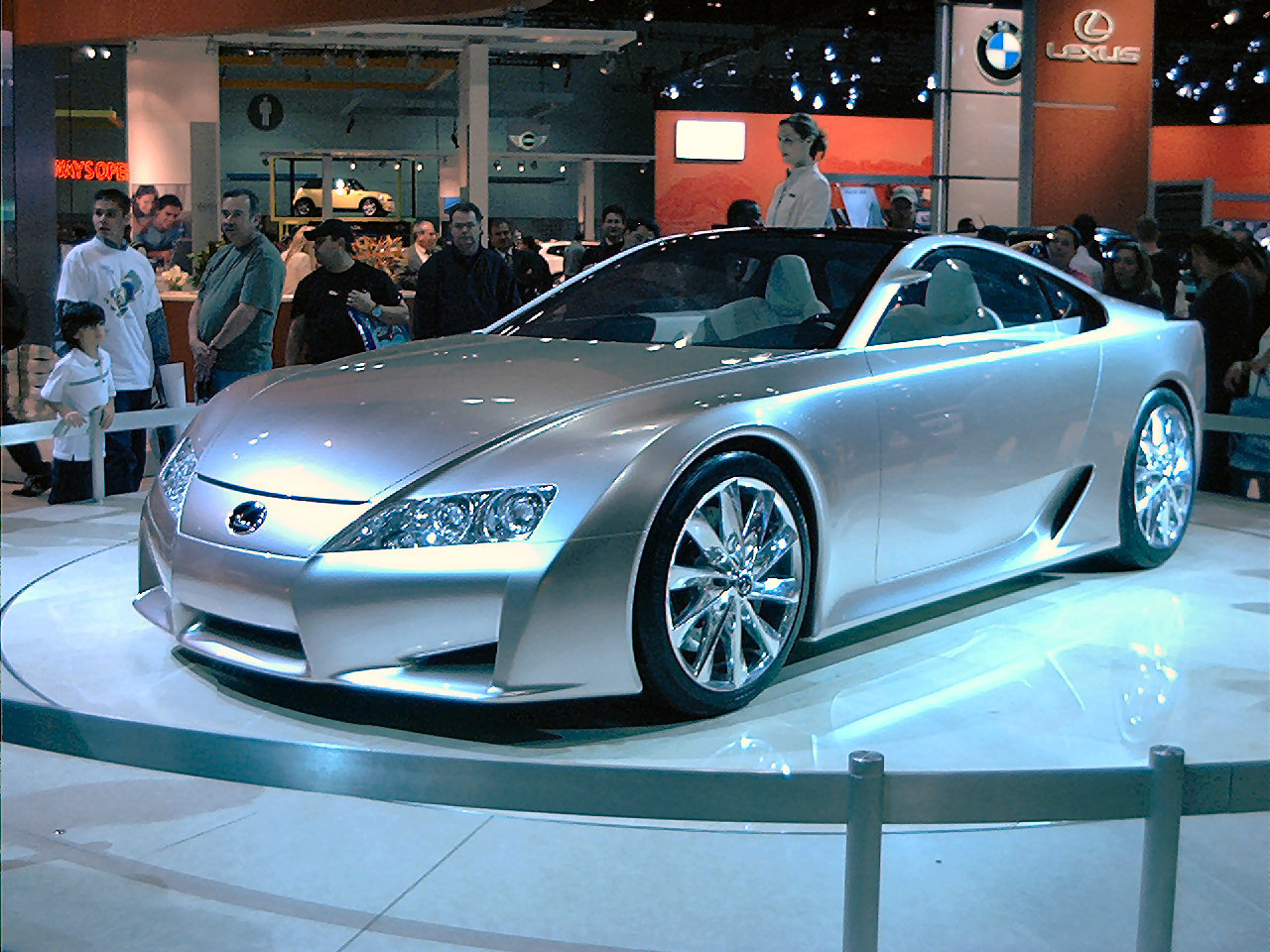


Common characteristics
Most vehicles share several basic elements: a structural frame or hull, a means of propulsion, a control or steering mechanism, and systems for braking or arresting motion. Land vehicles commonly use wheels or tracks; watercraft use hull forms and buoyancy; aircraft and spacecraft rely on aerodynamic lift or reaction propulsion. Power sources vary and include human muscle, internal combustion engines, electric motors, hybrid combinations and rockets.
Types and classifications
- Land vehicles: bicycles, motorcycles, cars, buses, trucks, and trains.
- Watercraft: small boats, yachts, ferries, cargo ships and submarines.
- Air and space vehicles: airplanes, helicopters, drones and spacecraft.
- Specialized classes: agricultural machinery, construction equipment, emergency and military vehicles.
History and etymology
The word comes from French véhicule and Medieval Latin vehiculum, derived from the Latin verb vehere, meaning "to carry." Human transport began with simple sleds and animal-drawn carts, evolved with the invention of the wheel and axle, and was transformed by steam power, the internal combustion engine and, more recently, electric propulsion and advanced materials.
Uses, importance and trends
Vehicles enable personal mobility, commerce, logistics and public services such as emergency response. They are central to modern economies but contribute to environmental and land-use challenges, including emissions and congestion. Current trends emphasize electrification, improved efficiency, connectivity, shared mobility models and the gradual introduction of autonomous systems.
Legal, safety and practical considerations
Most countries regulate vehicle design, operation, registration and driver qualification to protect public safety. Maintenance, fuel or energy supply and infrastructure—roads, bridges, ports and airports—are essential to vehicle operation. Distinctions between vehicles and living carriers, classification for regulation, and adaptations for specific uses are routine aspects of transport policy and engineering.
Related articles
Author
AlegsaOnline.com Vehicle (means of transport) Leandro Alegsa
URL: https://en.alegsaonline.com/art/104468