
Physical fitness: components, measurement, history and practical importance
Concise guide to physical fitness: definition, key components (endurance, strength, flexibility, composition), common assessments, historical context, occupational standards, and distinctions between general and specific fitness.
Overview
Physical fitness describes the capacity to perform activities that require bodily movement, to respond to physical demands, and to maintain health and independence. It is both an outcome of regular activity and a set of measurable attributes. Different cultures and professions emphasize distinct aspects of fitness, but most modern frameworks treat it as a combination of physiological and functional qualities that support daily life, recreation and work.
Image gallery
10 Images


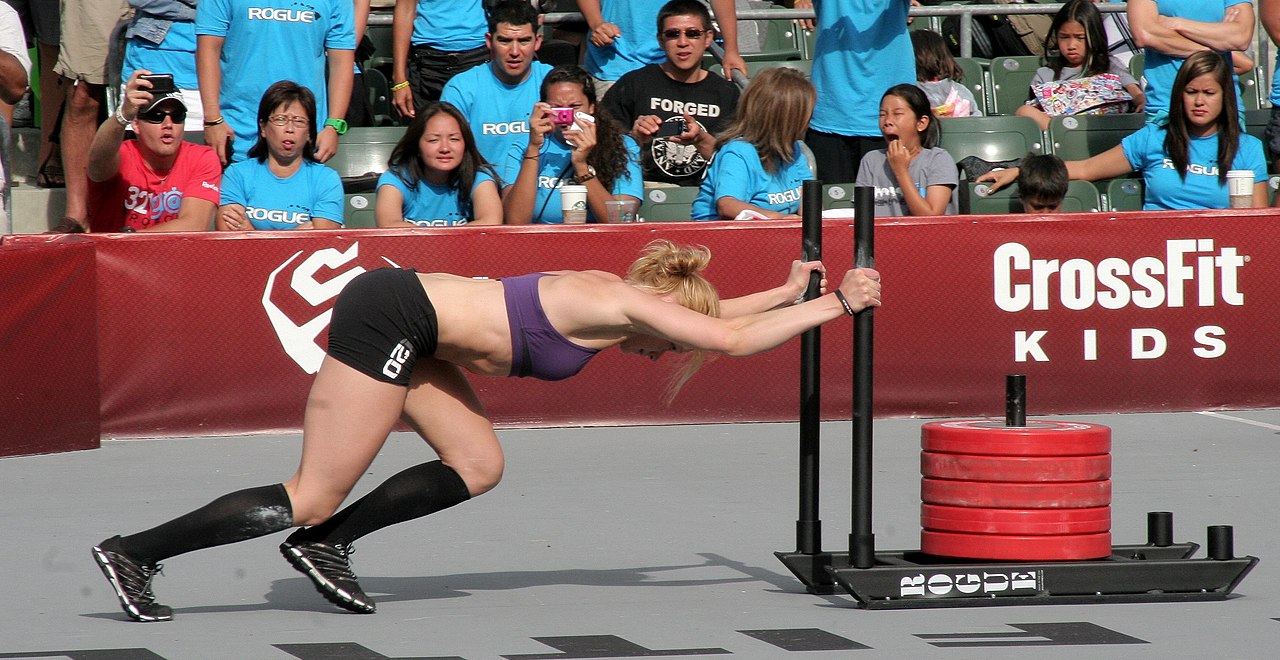


Core components
Commonly recognized elements of physical fitness include:
- Cardiorespiratory endurance — the efficiency of the heart and lungs during sustained activity.
- Muscular strength — the ability of muscles to exert maximal force.
- Muscular endurance — the ability to sustain repeated contractions or maintain a position over time.
- Flexibility — the range of motion at joints and through muscle groups.
- Body composition — the relative proportions of fat, muscle, bone and other tissues.
- Motor skills and balance — coordination, agility and stability that affect performance.
Assessment and common tests
Fitness is gauged through standardized assessments and practical measures. Many people consult fitness tests to evaluate current levels and track progress. Typical measures include timed runs or walk tests for endurance, graded oxygen uptake tests (VO2) in laboratory settings, repeated push-up or sit-up counts for muscular endurance, handgrip strength, sit-and-reach for flexibility, and skinfold or bioelectrical analyses for body composition. No single test captures all aspects; selection depends on purpose and setting.
Training recommendations are often tailored to goals: improving general health differs from developing a sport skill or meeting a job requirement. Occupational screening is common — certain occupations demand minimum fitness standards, for example soldiers or firefighters who must demonstrate strength, endurance and agility under stress.
History, uses and notable distinctions
Concepts of fitness evolved from early military drill and physical education movements to modern sports science and public health priorities. In practice, writers distinguish between general fitness — overall health and functional capacity related to health and well-being — and specific fitness, the ability to perform tasks or excel in particular sports or occupations. Understanding these distinctions helps individuals and organizations set appropriate goals, design assessments, and apply progressive training safely.
Questions and answers
Q: What is physical fitness?
A: Physical fitness is the ability to be physically active, to move and respond to the environment.
Q: Can people measure their physical performance?
A: Yes, people can take various tests to measure their physical performance.
Q: Why are physical performance tests necessary for some occupations?
A: Such tests are necessary for some occupations, such as soldiers and firefighters.
Q: How many components does physical fitness have?
A: Physical fitness has two components: general fitness (a state of health and well-being) and specific fitness (the ability to perform specific aspects of sports or occupations).
Q: What is general fitness?
A: General fitness is a state of health and well-being.
Q: What is specific fitness?
A: Specific fitness is the ability to perform specific aspects of sports or occupations.
Q: Can general fitness be improved?
A: Yes, general fitness can be improved through regular exercise and a healthy lifestyle.
Related articles
Author
AlegsaOnline.com Physical fitness: components, measurement, history and practical importance Leandro Alegsa
URL: https://en.alegsaonline.com/art/76652
Sources
- commons.wikimedia.org : Fitness
- fitness.gov : "President's Council on Physical Fitness and Sports definitions for health, fitness, and physical activity"
- skinnybulkup.com : "Six fundamentals of physical fitness"