
Army: organization, roles, history and modern characteristics
Overview of an army as a ground force: structure, personnel types, equipment, duties, development and distinctions between voluntary, conscripted and contracted forces.
An army is the branch of a nation's armed forces primarily responsible for operations on land. It forms a central component of a country's military capability and is staffed by personnel commonly called soldiers. Modern armies operate with a mix of foot soldiers, mechanized units and supporting platforms, including armoured vehicles and motorized transports, main battle tanks and aircraft such as transport planes and helicopters that extend their reach and sustainment. The balance between manpower and technology, and between national defense and expeditionary roles, differs from country to country.
Image gallery
10 Images


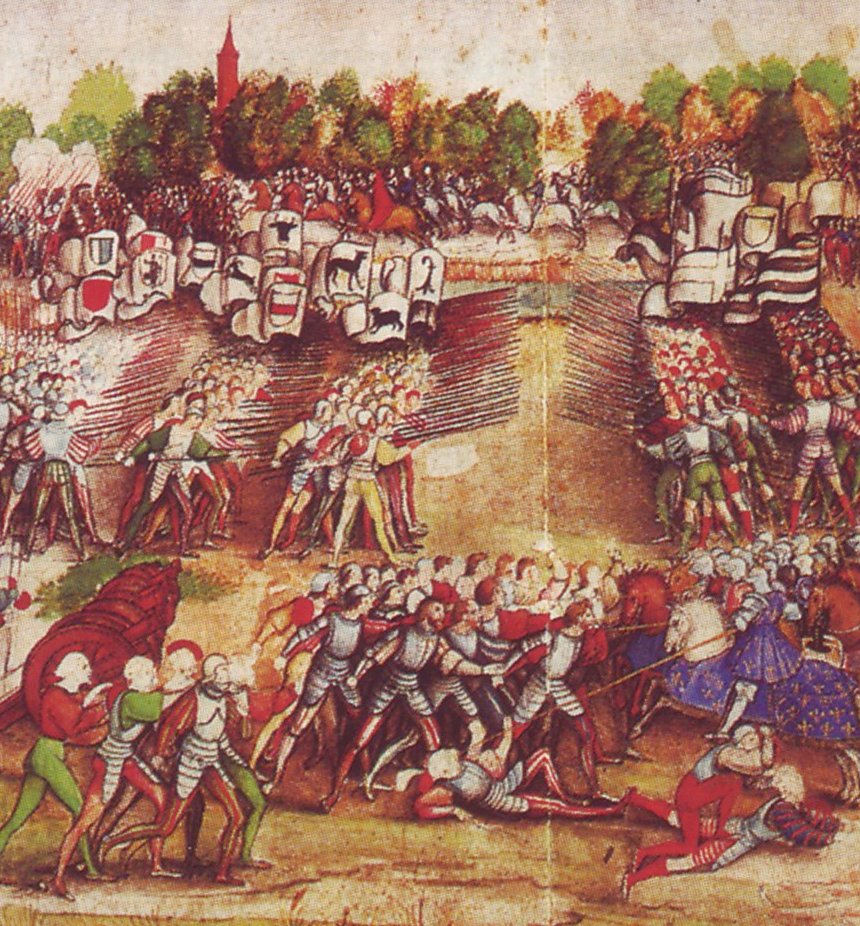
Organization, ranks and chain of command
Armies are organised into units of increasing size and complexity, from squads and platoons to companies, battalions, brigades and divisions. A clear chain of command assigns responsibility and ensures coordinated action: every soldier answers to non-commissioned officers and commissioned officers, up to the unit commander and higher national leadership. Rank and specialty determine assignments, whether in infantry, artillery, engineering, logistics, signals or medical services. Formal training, doctrine and administrative systems support the functioning of these organisations.
Personnel: volunteers, conscripts and contractors
Individuals enter the army through several routes. Volunteer personnel choose military service and are often referred to as professional soldiers. Some states maintain compulsory service, known as conscription or a draft, requiring citizens to serve for a period. A third model uses hired personnel: private military contractors, including former servicemembers and veterans, can perform security, logistics or advisory tasks in support of the army. Separately, mercenaries are fighters who serve primarily for pay and historically have varied in legal and political status.
Roles, duties and typical activities
An army undertakes a range of tasks in war, crisis and peace. Core combat roles include offensive operations to seize terrain and defensive operations to hold it. Soldiers also provide security for installations and population centres, escort and protect convoys, conduct reconnaissance, establish fortifications such as trenches or temporary field positions, and carry out stabilisation and humanitarian missions. Support elements deliver supplies, maintain equipment, and provide medical care, communications and engineering services. Many operations require close coordination with other services and civilian authorities.
Equipment, training and physical demands
Training prepares soldiers for a mixture of physical exertion, technical tasks and mental stress. Basic training covers marksmanship, navigation, first aid, discipline and small-unit tactics; specialised training follows for weapon systems, communications, or technical trades. Physical fitness and resilience are essential because operational tasks can be strenuous and prolonged. Armies field a variety of equipment to amplify combat power: small arms, indirect fire, armoured vehicles, and aerial support platforms that ferry troops and supplies, including fixed-wing aircraft and helicopters. Logistics and maintenance chains keep forces operational.
History and development
Armies have evolved from prehistoric bands of warriors and feudal levies to the organised, state-controlled forces that emerged with modern nation-states. Industrialisation introduced mass conscription, railways and mechanised weapons; the 20th century added armoured warfare, aviation and electronic systems. Post‑Cold War developments emphasise mobility, intelligence, and networked operations, while legal and political norms increasingly shape the roles armies play in peacekeeping and stability tasks.
Distinctions, notable facts and civilian interaction
Key distinctions distinguish armies from other security actors: they are principally land-focused, operate under national command, and are subject to military law and codes. Civilians may be employed to support non-combat duties under contract or as government employees; such civilian personnel can guard facilities, manage logistics or perform technical services. Commanders and staff plan and execute missions, and the responsibilities of leadership extend beyond tactics to ethics, discipline and the welfare of troops. In many countries, public perception of the army is shaped by historical experiences, legal frameworks governing service and the relationship between military and society. For more background and detailed references on specific doctrines, equipment types and organisational models see relevant defence literature and official sources here and here.
- Command and leadership
- Physical and mental fitness
- Armoured and mechanised capability
- Transport and logistics
For concise definitions and comparative information consult introductory materials and training manuals. Additional explanatory resources and country-specific overviews can be accessed through official military publications and recognised academic studies on soldiers and on hired forces. Practical matters such as deployment law, veterans' affairs, and the use of contracted security are discussed in policy documents and legal analyses here and here.
Wherever they operate, armies combine people, organisation, doctrine and equipment to perform the demanding task of land defence and operations. Their specific character reflects a nation's history, resources and strategic choices, and their role continues to adapt as technology and geopolitics change.
Veteran support, convoy protection, and liaison with civilian authorities remain important practical concerns in contemporary military practice. For operational techniques and modern force structures consult technical references and authoritative guides on training and on leadership.
Questions and answers
Q: What is the army?
A: The army is a part of a country's military that fights on the ground. People in the army are called soldiers.
Q: How do armies fight?
A: Many modern armies have vehicles such as tanks, airplanes, and helicopters to help soldiers fight on the ground.
Q: How does someone join an army?
A: Someone can join an army voluntarily or they may be forced by their government to join through conscription or draft. Voluntary armies tend to be small but high in quality while drafted armies are large but often lack confidence and quality. Sometimes an army is made up from mercenaries who fight just for pay and have little loyalty to the country which they serve.
Q: What do soldiers do?
A: Soldiers do many things, from shooting enemies, to digging defensive trenches. They are used to defend their country or attack another country's army and must be in good shape both physically and mentally. They almost always move together so that way the team can do more things safely and efficiently. They may be assigned certain places to guard or told to search or attack a place depending on their commander's orders.
Q: When there aren't enough soldiers what happens?
A: When a country's army is busy in different places and there aren't enough soldiers available, they may hire civilians to take over some of their jobs like protecting buildings, important people, and convoys of trucks traveling from one place to another. Usually these civilians are veterans who were members of the military before leaving for other work elsewhere.
Q: What is service in the military?
A: Working in the army and wearing its uniform is referred to as service; a soldier will never say "I work as a Sergeant" but rather "I serve as a Sergeant" along with their rank, specialty, and unit designation instead; only civilian workers who don't wear uniforms speak about working in the military instead of serving it.
Related articles
Author
AlegsaOnline.com Army: organization, roles, history and modern characteristics Leandro Alegsa
URL: https://en.alegsaonline.com/art/5766