
Law: Purpose, Structure, History and Types
An overview of law: its purpose, main components, historical development, common types, enforcement, sources such as culture and religion, and why the rule of law matters.
Law is a system of rules established by an authority to organize behaviour in a society, maintain order and protect rights. These rules may be created by legislatures, customary practice, religious institutions or judges, and are intended to regulate how people live, work and interact. The basic idea of law as public rules is often expressed simply as a set of rules issued by an authority to secure the peace and safety of a community. When those rules are breached, a system of sanctions—ranging from a fine to more serious penalties—may be imposed to punish or deter conduct.
Image gallery
10 Images


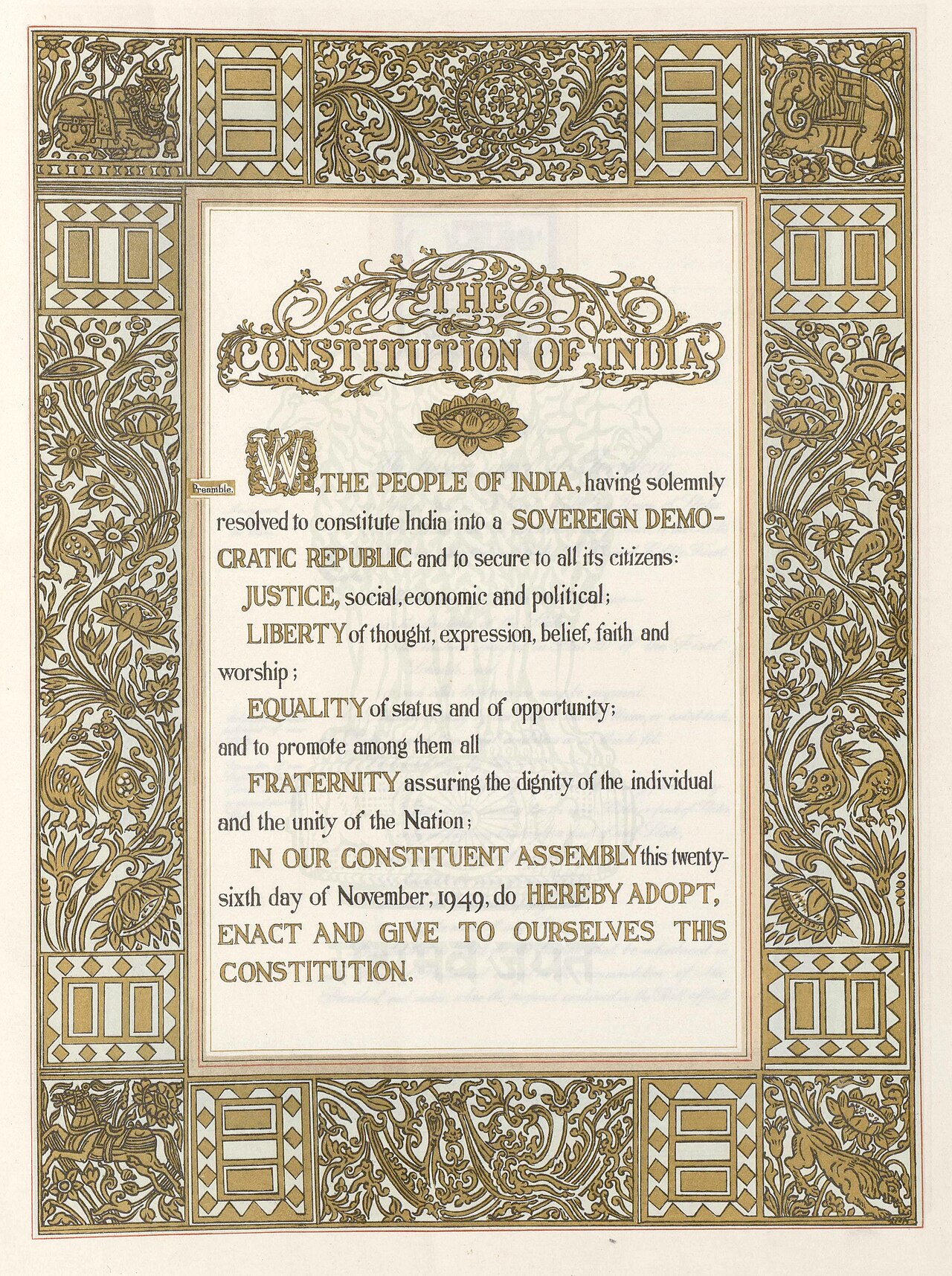

Core components and institutions
Modern legal systems rely on a set of complementary components. Written constitutions set the fundamental framework and limits of state power, often called a constitution. Legislatures or assemblies such as a legislature or parliament make detailed statutes. Codified collections of statutes and rules form a legal code. Courts and judges interpret law and resolve disputes, while agencies like the police enforce certain rules and the courts apply remedies. Legal professionals—commonly called lawyers, attorneys or jurists—advise, draft documents and represent parties.
Historical development
Across ancient and medieval societies, written rules came from kings, councils or religious authorities; in early states leaders often issued codes to coordinate trade and settle conflicts, as when rulers and assemblies produced public laws. Over centuries, legal authority shifted from personal rule toward institution-based law: legislatures emerged, independent judiciaries developed, and constitutions began to constrain governments. Political reform and social movements have repeatedly reshaped law to expand rights, regulate markets and limit abuses by those in power. Philosophers have debated the nature of law for millennia; for example, the classical thinker Aristotle argued for laws that stand above individual rulers.
Major sources of law
Law draws on many influences. Formal sources include statutes, regulations and judicial decisions. Informal sources include tradition, customs and social norms. Cultural values and social institutions such as culture and family shape expectations about acceptable behaviour, while religions have provided legal guidance in many societies: sacred texts and religious courts have influenced rules from marriage and inheritance to criminal punishment, as exemplified in traditions tied to the religious scriptures such as the Vedas and the Bible.
Common categories of law
- Criminal law: defines offences against the public order and prescribes penalties enforced by the state.
- Civil law: governs disputes between private persons or organisations—contracts, torts, property and family matters.
- Administrative law: regulates government agencies and their decision-making.
- Constitutional law: sets out the structure of government and fundamental rights under a constitution.
- International law: governs relations between states and includes treaties and customary international norms.
Functions, enforcement and the rule of law
Law serves many functions: it provides procedures for resolving disputes, protects individual rights, regulates economic activity, and defines the legitimate exercise of state power. Enforcement typically involves investigative agencies, prosecutors and courts: police agencies investigate and collect evidence, prosecutors bring charges in court, and judges determine outcomes and court-ordered remedies. The principle known as the Rule of Law holds that government power should be exercised according to publicly known rules, applied fairly and not arbitrarily. When laws are applied evenly—without privileging rulers or friends—they help prevent abuses and build social trust.
Practical importance and distinctions
In practice, legal systems vary widely. Some jurisdictions rely heavily on codified statutes, others on judge-made precedents; some separate legal tasks among professionals (for example, different roles such as solicitors and advocates), while others combine duties. Lawyers may specialise in transactional work—drafting agreements and advising clients—or in litigation—arguing cases before courts. Law constantly adapts: technological change, economic developments and shifting social values all prompt new regulation and judicial interpretation. For further reading on particular legal systems or institutions see introductory materials and legal dictionaries available through general legal guides (overview, authority, purposes), or consult specialised sources on courts, police practice and professional roles (police, courts, lawyers).
While law can be a tool for order and justice, it can also be used to entrench privilege. Democratic processes—such as elected assemblies—and safeguards like an independent judiciary and transparent procedures aim to ensure that laws serve the public interest rather than a narrow few. Understanding the structure, sources and limits of law helps citizens engage with legal institutions and assess when reform or protection of rights is needed.
Sanctions and remedial systems vary, and debates continue about the best mix of punishment, rehabilitation and prevention. Historical precedents show that law is both an instrument of continuity and a field of ongoing reform, shaped by leaders (rulers), collective decision-making (legislatures, parliaments), and the broader social and moral framework from which rules take their force (culture, religion, family).
For introductory legal terminology and the structure of codes, see resources that outline how a legal code is organised and how statutes interact with judicial decisions. Comparative study shows that different traditions—such as common law and civil law—produce different methods of reasoning, enforcement and professional roles, but all seek to balance individual freedom with social order.
Questions and answers
Q: What is law?
A: Law is a set of rules decided by a particular place or authority meant for the purpose of keeping the peace and security of society.
Q: How are laws enforced?
A: Courts or police may enforce this system of rules and punish people who break the laws, such as by paying a fine, or other penalty including jail.
Q: Who writes laws in modern societies?
A: In most countries today, laws are written and voted on by groups of politicians in a legislature, such as a parliament or congress, elected (chosen) by the governed peoples.
Q: What is an example of following the Rule of Law?
A: When leaders enforce the legal code honestly, even on themselves and their friends, this is an example of the rule of law being followed.
Q: Where does culture come into play with regards to law?
A: Culture is usually a major source of the principles behind many laws, and people also tend to trust the ideas based on family and social habits.
Q: What role has religion played in forming law throughout history?
A: In many countries throughout history, religion and religious books like the Vedas, Bible or the Koran have been a major source of law.
Q: What did Aristotle say about The Rule Of Law?
A: "The rule of law", wrote Aristotle in 350 BC,"is better than the rule of any individual."
Tags
Related articles
Author
AlegsaOnline.com Law: Purpose, Structure, History and Types Leandro Alegsa
URL: https://en.alegsaonline.com/art/56409
Sources
- Law
- strasbourgconsortium.org : strasbourgconsortium.org/common/document.view.php?docId=3878.html
- echr.coe.int : Hearing of the European Court of Human Rights
- echr.coe.int : "ECHR press release Refah Partisi (2001)"