
Air force: the military branch for aerial operations
An air force is the branch of a nation's armed forces that conducts military operations in the air using manned aircraft and unmanned systems for combat, transport, surveillance and support roles.
Overview
An air force is the element of a country's armed forces primarily tasked with conducting operations in the atmosphere. It employs a variety of aircraft and aerial systems to achieve control of the skies, project power, gather intelligence and provide logistical support. Modern air forces blend piloted platforms with remotely operated and autonomous vehicles.
Image gallery
10 Images





Organization and main components
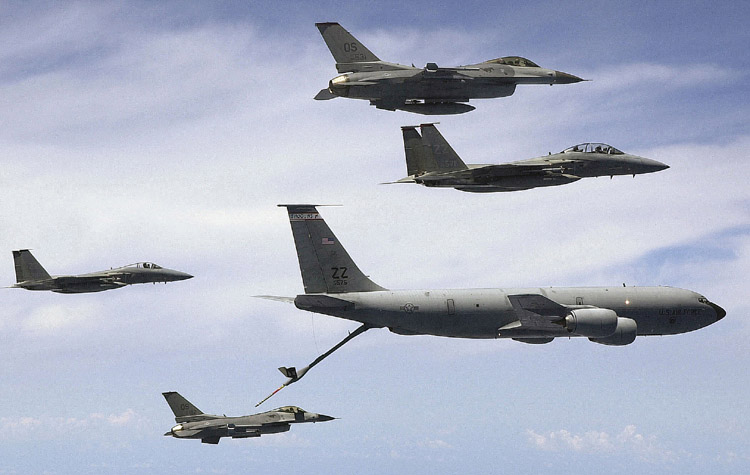
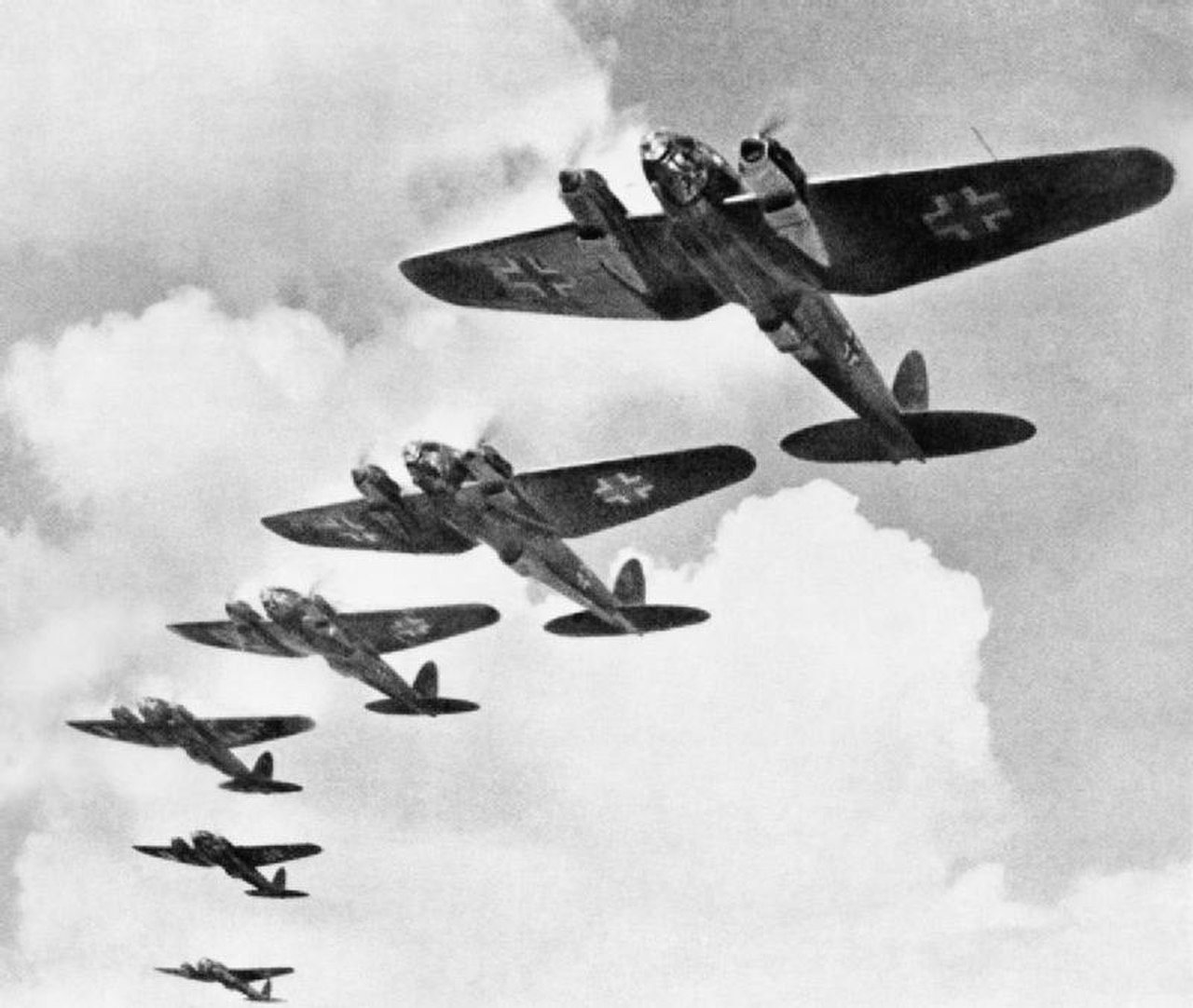
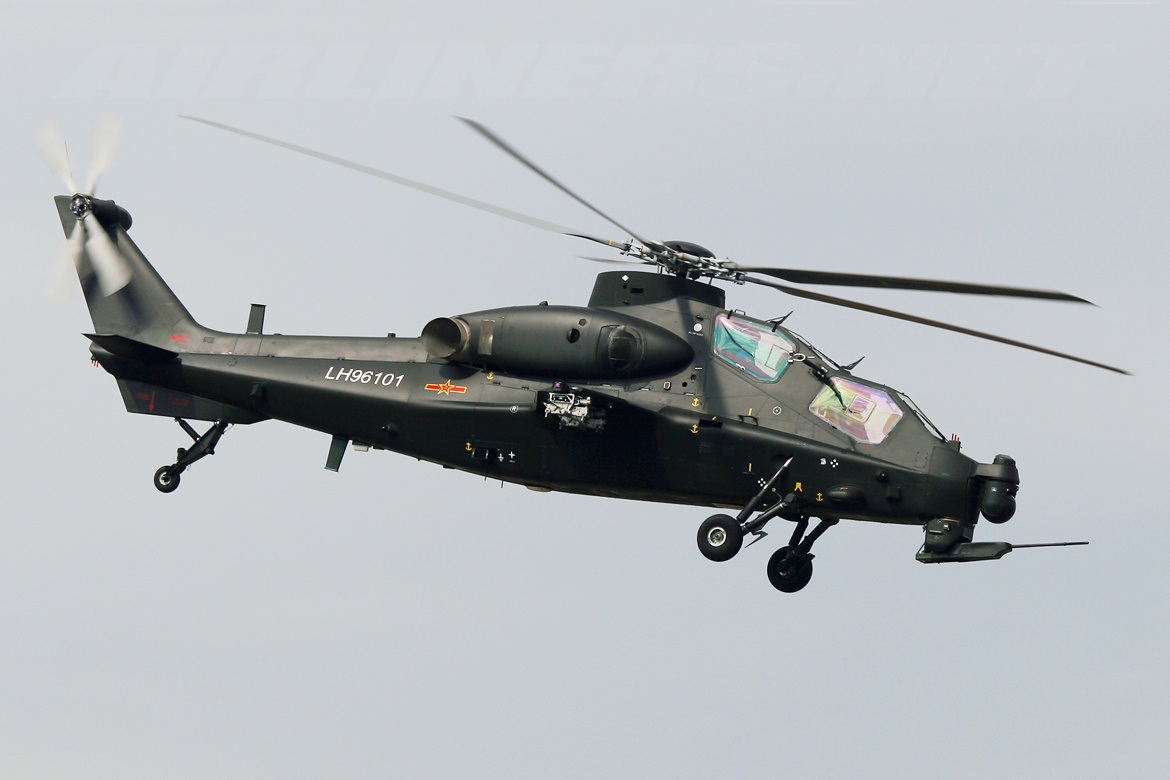
Air forces are organized into wings, squadrons and other units that combine personnel, aircraft and ground systems. Typical categories of aircraft and capabilities include:
- Fighters for air-to-air combat and interception;
- Bombers and strike aircraft for long-range attack missions;
- Helicopters for close support, transport and search-and-rescue;
- Transport aircraft for moving troops, equipment and humanitarian aid;
- Reconnaissance, electronic warfare and aerial refuelling platforms;
- Unmanned aerial vehicles (UAVs) for surveillance and precision strikes.
History and development
Air forces emerged in the early 20th century as militaries began using powered flight. Initially formed within armies, aviation elements grew rapidly during World War I and between the wars. By the 1930s and 1940s many nations established independent air services distinct from their army or naval commands to centralize doctrine and resources. Technological advances in the mid-20th century — faster aircraft, jet engines, radar and missiles — transformed the scope and strategy of aerial warfare.
Roles, operations and examples
Air forces undertake a wide range of missions: gaining and maintaining air superiority, strategic and tactical strike, close air support for ground forces, interdiction, airlift and logistical resupply, aerial reconnaissance and intelligence, and humanitarian relief. They also support naval operations; when a navy operates its own aircraft component it is commonly called Naval Aviation and works alongside the fleet and the national navy.
Distinctive features and notable facts
Organizations vary: some countries keep an integrated air arm inside the army, others maintain a separate and independent air force. Air operations often use formations — coordinated flying patterns that improve effectiveness and safety. Modern air forces increasingly rely on high-capability sensors, networked communications and unmanned systems. The largest single-service air arm in terms of personnel and platforms is the United States Air Force.
Further reading
For introductions to doctrine, aircraft types and current roles consult official service documents and defense analyses available through national military channels and reputable academic sources. See also links to service histories and equipment lists for specific nations: military overview, aircraft types, strike aircraft, rotary-wing, airlift, naval forces, naval aviation, army aviation, major air forces.
Tags
Related articles
Author
AlegsaOnline.com Air force: the military branch for aerial operations Leandro Alegsa
URL: https://en.alegsaonline.com/art/1620