
Mercenaries: soldiers for hire — definition, history, and modern roles
An overview of mercenaries: what defines them, historical development, distinctions from regular forces and contractors, notable examples, legal and ethical issues, and contemporary relevance.
Overview
A mercenary is commonly defined as a soldier who takes part in armed conflict primarily in return for pay rather than out of allegiance to a state, a people, or an ideological cause. The term is often used in contrast with regular national armed forces, volunteer fighters motivated by loyalty, and professional soldiers whose service is tied to citizenship or formal enlistment. Different languages and legal systems may apply narrower or broader meanings, and the label "mercenary" can carry moral or legal stigma.
Image gallery
10 Images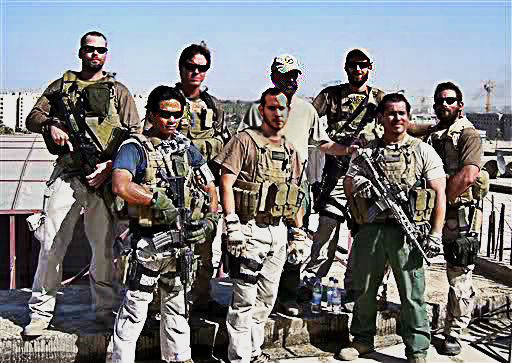


Characteristics and common features
Typical features that are used to identify mercenaries include being motivated chiefly by private gain, being neither a national of a party to the conflict nor a member of its armed forces, and being recruited specifically to fight. These characteristics distinguish mercenaries from enlisted soldiers in national armies and from foreign volunteers who adopt the cause of their host state. However, the distinction is sometimes blurred: members of long-standing foreign units such as the French Foreign Legion or professional contractors working under government contracts may resemble mercenaries in function but differ in legal status and allegiance. See also discussions about private military companies and contemporary private security contractors, which occupy an overlapping but legally distinct space (definition, motivation).
Historical development
Hiring soldiers from outside a polity is an ancient practice. References to hired fighters appear in early literature and religious texts, and throughout antiquity many states relied on foreign troops or auxiliaries. In the medieval period, especially during times of weak central authority, organized bands of professional soldiers—sometimes called Free Companies—served whoever could pay. City-states and empires alike used such troops, as did mercenary forces in the Mediterranean and Asia. Notable historical examples include a variety of Greek and Anatolian mercenary contingents, the Swiss soldiers hired by European courts in the late Middle Ages and Renaissance, and samurai without masters—known in Japan as ronin—who at times fought as hired blades. For further reading on ancient and medieval examples see selections on the topic (antiquity, medieval).
Uses, roles, and notable forms
- Supplementing national armies in wartime or in colonial campaigns.
- Providing bodyguard, escort, or internal security services for rulers or commercial interests.
- Acting as expeditionary forces for states lacking standing armies.
- In modern eras, supplying specialized skills such as logistics, intelligence, or technical support through private military companies (PMCs).
Historically, these roles were fulfilled by a variety of units and individuals—Carthaginian forces, medieval companies of arms, or professional bands recorded in classical epics and chronicles. Contemporary discussion often centers on PMCs and contractors who offer a range of military services to governments, corporations, and other actors (examples in texts, bodyguards and retainers).
Legal, ethical, and political issues
Mercenaries raise complex legal and ethical questions. International law places restrictions on mercenary activity in part to deter mercenary-driven conflicts and abuses, but precise definitions vary. Critics argue that mercenary activity can undermine accountability, fuel conflicts, and evade standards that bind state militaries. Defenders of private military services emphasize efficiency, technical expertise, and the civilian oversight of contracted tasks. The subject intersects with debates over state sovereignty, the privatization of violence, and human rights (classical references, troop examples, state practices).
Distinctions and modern examples
Important distinctions clarify public discourse: regular soldiers serve a state, foreign volunteers often adopt the host nation’s cause, and private contractors may operate under legal contracts with greater or lesser accountability. Modern elite foreign formations and historical mercenary traditions—such as Swiss regiments employed by foreign powers or the Papal guards in earlier centuries—illustrate the continuum between hired service and formalized, long-term military institutions. Contemporary cases and controversies about contractors and mercenary-like units continue to shape policy and law (medieval companies, rogue knights, archer units, ronin, Swiss soldiers).
Understanding mercenaries therefore requires attention to historical context, the motives and organization of fighters, and evolving legal norms. The label can describe a wide spectrum of armed actors, from ancient hired spearmen to modern private military contractors, and remains a contentious topic in studies of war, law, and international relations.
Related articles
Author
AlegsaOnline.com Mercenaries: soldiers for hire — definition, history, and modern roles Leandro Alegsa
URL: https://en.alegsaonline.com/art/63891