
Desert: definition, types, distribution, ecology and human impacts
A desert is a very dry region with low precipitation and a moisture deficit. This article explains definitions, major types, global distribution, ecology, formation processes, and human interactions.
Overview and definition
A desert is broadly defined as a region where annual precipitation is very low and evaporation or water loss typically exceeds rainfall. In many classifications this threshold is about 25 cm (10 inches) of rain a year, but more useful is the concept of a persistent moisture deficit: an area that loses more water than it receives on balance. Scientific and educational sources often describe deserts as an arid biome characterized by scant precipitation and strong evaporation, which together create dry soils and limited surface water. The idea of moisture deficit appears in technical descriptions of deserts as a place that can have less water input than output over the course of a year (moisture deficit), and evaporation plays a key role in this imbalance (evaporation).
Image gallery
10 Images




Extent and global distribution
Deserts are not confined to hot climates: polar regions with little precipitation are deserts in the climatic sense as well. Large parts of Antarctica are classified as desert because they receive very little snow (Antarctica), so when polar and cold dry areas are included, deserts cover a substantial portion of Earth's land surface. Among hot deserts, the Sahara is the best known example and is often cited as the largest hot desert; it occupies much of northern Africa (Sahara, northern Africa). Deserts and semi-arid zones appear on most continents and are especially common in the western Americas (western Americas), Western Asia (Western Asia), central Australia and across both South and North Africa.
Types, surfaces and visible features
Deserts are diverse in appearance and climate. Some are hot and dry with large sand seas and shifting dunes; others are cold or alpine with exposed rock and ice. Typical surface types include hardpan or stony plains, sand dunes, and in polar deserts even expanses of snow or bare ice. Vegetation ranges from sparse annual herbs to drought-tolerant shrubs and succulents. The variety of surfaces and landforms is often shaped by wind, occasional intense rains, and long-term climatic patterns; common examples of surface features include:
- rocky plains and gravelly deserts (reg and hamada)
- sand seas and dune fields (erg)
- dried lake beds and salt pans (playas)
- cold or icy surfaces in polar deserts, and areas with intermittent snow (stones, sand dunes and snow)
Deserts are often classified by their climate drivers (subtropical, rain‑shadow, coastal, polar) rather than only by temperature, because the processes that keep them dry vary.
Life, adaptations and human uses
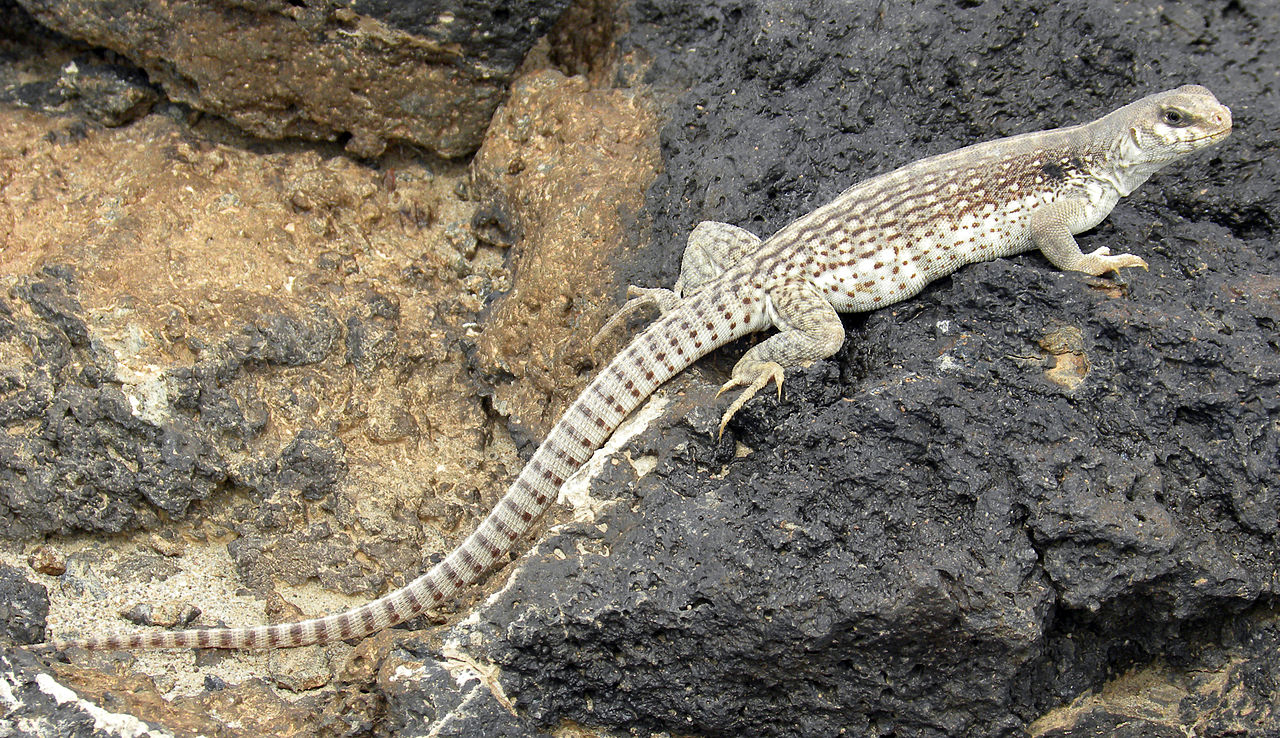
Although desert environments are harsh, many plants and animals survive through structural, physiological and behavioral adaptations. Plants may have deep roots, reduced leaves or water-storing tissues; animals often avoid daytime heat, conserve water, and use efficient kidneys or specialized behaviors. Human cultures have long adapted to desert life through pastoralism, irrigated agriculture in oases, and trade routes. Modern uses of deserts also include mineral extraction, solar energy generation and tourism. At the same time deserts can be fragile: unsustainable grazing, deforestation, and poor land management can lead to loss of vegetation and expansion of arid land — a process often called desertification.
Formation processes and contemporary issues
Major mechanisms that create and maintain deserts include large-scale atmospheric circulation (such as descending dry air belts), rain shadow effects behind mountains, and cool ocean currents that reduce coastal rainfall. Human activities and climate variability can alter the balance between aridity and vegetation, causing local contraction or expansion of desert-like conditions. Conservation, sustainable land management, and careful water use are important to protect both the ecological value and the human livelihoods linked to desert regions. For more introductory resources and maps about deserts and their ecology see regional guides and educational material (biome overview, moisture and climate, evaporation processes, polar deserts, Sahara, northern Africa, surface types, desertification, Americas, Western Asia, African deserts).
Related articles
Author
AlegsaOnline.com Desert: definition, types, distribution, ecology and human impacts Leandro Alegsa
URL: https://en.alegsaonline.com/art/5532