
Minesweeper (naval vessel): purpose, design, history and operations
A minesweeper is a naval vessel built to clear sea mines and keep shipping lanes safe. This article explains its roles, design features, historical development and modern mine countermeasure practices.
Overview
A minesweeper is a naval vessel whose primary role is to detect, remove or neutralize naval mines so that commercial and military shipping can operate safely. The name can be confused with the computer game Minesweeper (video game), but in maritime practice the term applies to a class of small warships or specialised craft often described as a naval warship. Minesweeping operations aim to clear sea mines and other explosive devices placed to block or damage vessels and to maintain safe waterways for navigation.
Image gallery
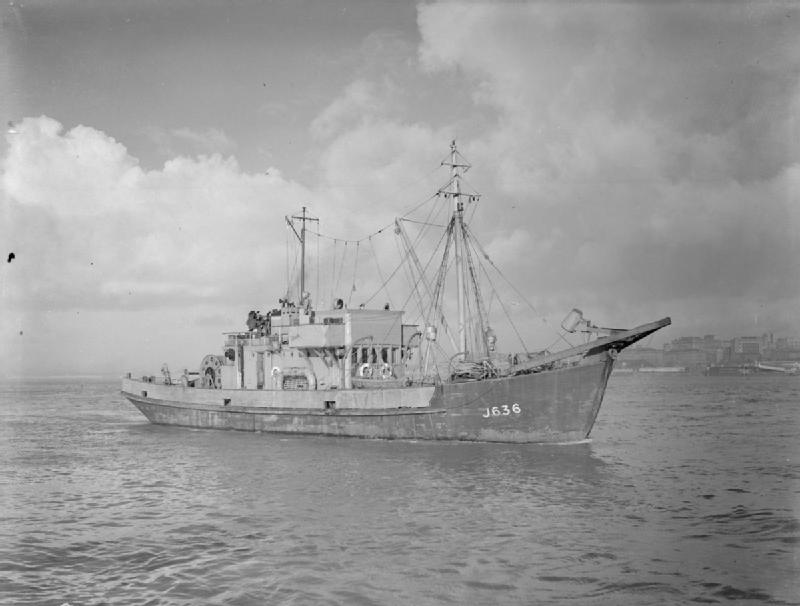
8 Images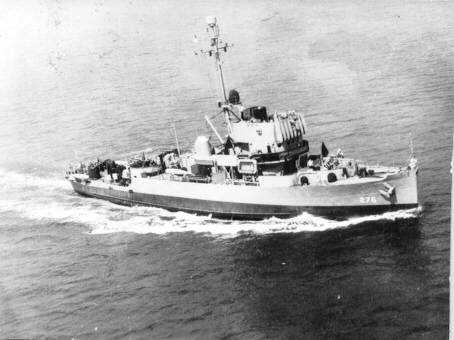



Characteristics and equipment
Minesweepers are designed to reduce the risk of initiating mines while working nearby. Typical features include low magnetic and acoustic signatures — achieved with non-magnetic materials, wooden or composite hulls and quiet propulsion — and specialised gear to sever moored mines or to simulate ship signatures and trigger influence mines at a safe distance. Crews may use towed mechanical sweep cables, magnetic and acoustic influence sweepers, remotely operated vehicles and diving teams. Modern mine countermeasure work often blends minesweeping with minehunting techniques that rely on sonar and remotely operated systems.
Common sweep types
- Mechanical sweeping: cutting the mooring cables of anchored mines so they surface for destruction.
- Magnetic sweeping: generating a magnetic field to simulate a ship and detonate magnetic mines.
- Acoustic sweeping: emitting sound patterns to trigger acoustically sensitive mines.
- Remote and diver operations: using ROVs or divers to inspect and neutralise bottom or contact mines.
Historical development
The need for minesweepers became apparent with the widespread use of naval mines in the early 20th century. Before and during World War I, coastal nations including Great Britain recognised that mines posed a strategic threat not only to invasion but to commerce through blockade. Early improvisations used fishing techniques — towing fishing nets or similar gear — and navies adapted civilian vessels such as fishing trawlers under naval control, notably by the Royal Navy, to keep channels like the English Channel navigable. Purpose-built minesweepers appeared during World War I as mines grew more sophisticated.
Between the wars and during World War II, minesweeper design advanced rapidly. Both Allied and Axis navies expanded minesweeping capability because mines continued to threaten harbours, approaches and amphibious operations. After the end of hostilities many areas remained mined; clearing those waters was a lengthy postwar task. Minesweepers were also used in the Pacific theatre during operations around Japan after it surrendered and in occupation and reopening of ports.
Postwar evolution and modern practice
In the postwar period navies refined minesweeper design with new materials and remote systems. The U.S. Navy and other fleets adopted varied platforms, including shallow-draft craft to clear harbours and littoral zones — operations seen during the Korean conflict near North Korea — and persistent deployments to strategic regions such as the Persian Gulf. Over recent decades the distinction between a classical minesweeper and a minehunter has blurred; modern mine countermeasure vessels combine detection (minehunting) and clearing (minesweeping) capabilities and increasingly rely on unmanned surface and underwater vehicles to keep crews at safer distances.
Importance and distinctions
Minesweepers play a central role in maritime safety and military strategy by preserving freedom of navigation and enabling amphibious operations. Important distinctions to note are between vessels designed mainly to sweep (clear mines by mechanical or influence methods) and those built to hunt (locate individual mines with sonar for targeted neutralisation). Contemporary practice emphasises integrated mine countermeasure approaches that use both methods and remote technologies to reduce risk and improve efficiency.
For more detailed technical descriptions, historical case studies and modern developments, follow dedicated references and naval archives via resources identified by the links above.
naval warship | sea mines | waterways | Great Britain | World War I | invasion | blockade | fishing nets | Royal Navy | fishing trawlers | English Channel | World War II | Allied and Axis navies | Japan | surrendered | United States | U.S. Navy | North Korea | Persian Gulf
Questions and answers
Q: What is a minesweeper?
A: A minesweeper is a small naval warship designed to sweep the water clear of mines. They are used to keep waterways clear for shipping and are quieter and less magnetic than other ships so that the mines won't explode when being swept.
Q: How were sea mines a threat before World War I?
A: Sea mines were a threat to the nation's shipping in Great Britain before World War I, as they posed a real threat of blockade aided by mines.
Q: When did dedicated, purpose-built minesweepers first appear?
A: Dedicated, purpose-built minesweepers first appeared during World War I.
Q: What advances were made in Minesweeping during World War II?
A: During World War II, fighting nations quickly adapted ships to the task of Minesweeping and both Allied and Axis countries made heavy use of them throughout the war. Underwater mine technology had grown beyond the ability of Minesweepers to detect and remove at this time as well.
Q: What types of new Minesweepers were developed after WWII?
A: After WWII, allied countries worked on new types of Minesweepers such as special landing craft (shallow-water boats) which were used to clear shallow harbors in and around North Korea.
Q: Where are U.S Navy Minesweepers currently located?
A: As of June 2012, U.S Navy had four Minesweepers located in the Persian Gulf.
Related articles
Author
AlegsaOnline.com Minesweeper (naval vessel): purpose, design, history and operations Leandro Alegsa
URL: https://en.alegsaonline.com/art/65184
Sources
- oxfordreference.com : The Oxford Essential Dictionary of the U.S. Military
- play.google.com : The Dover patrol 1915-1917
- oxfordreference.com : The Oxford encyclopedia of maritime history
- oxfordreference.com : The Oxford companion to Australian military history
- worldcat.org : 0032-4558
- books.google.com : Jane's War at Sea 1897-1997: 100 Years of Jane's Fighting Ships
- books.google.com : "Mother of the minesweepers"
- navytimes.com : "U.S. doubling minesweepers in Persian Gulf"
- reuters.com : "Four U.S. Navy minesweepers arrive in the Gulf"