
Spacecraft: vehicles for travel and operations beyond Earth's atmosphere
Overview of spacecraft: definition, main types, structure, propulsion, launch and operation, history, uses and distinctions between crewed and uncrewed vehicles.
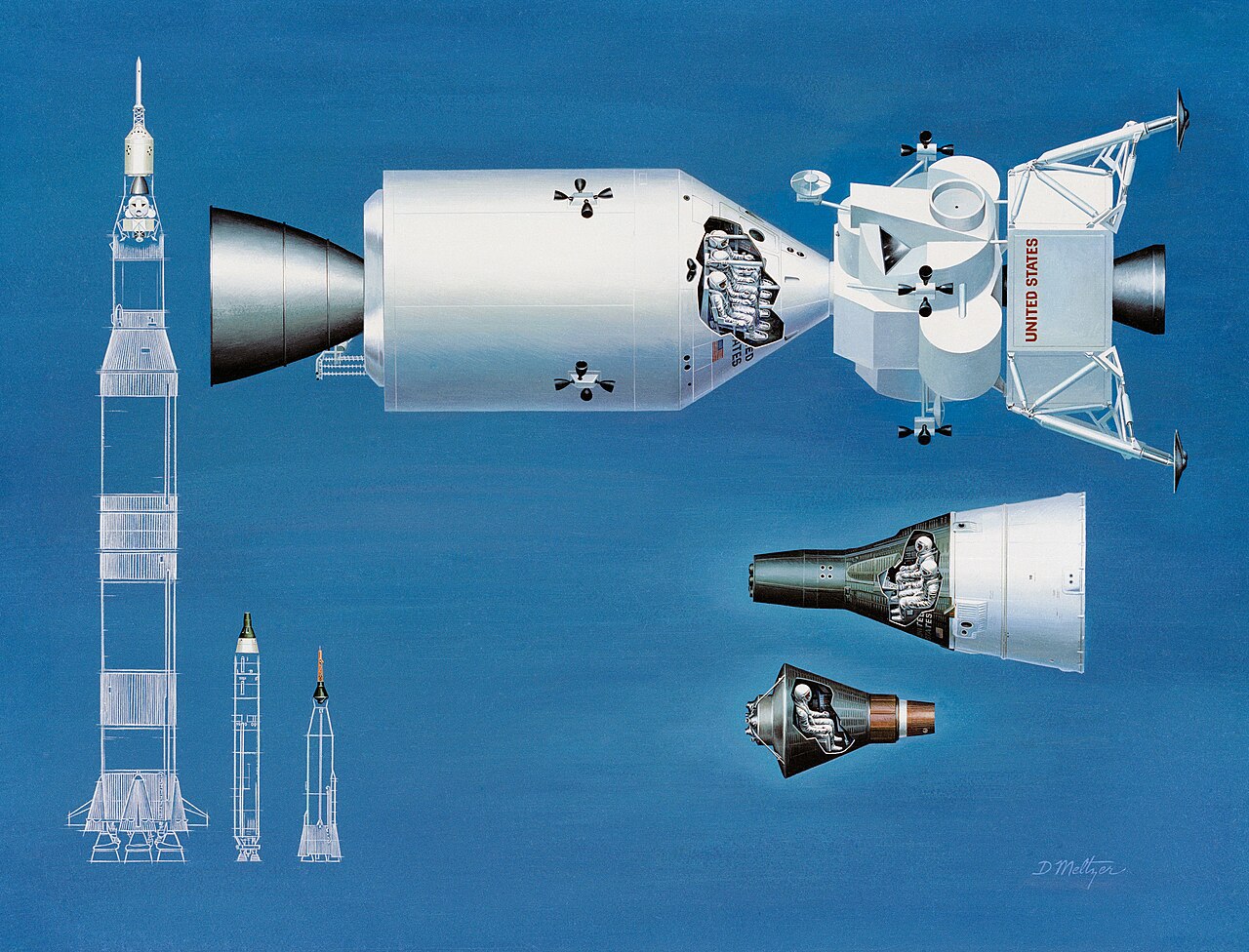
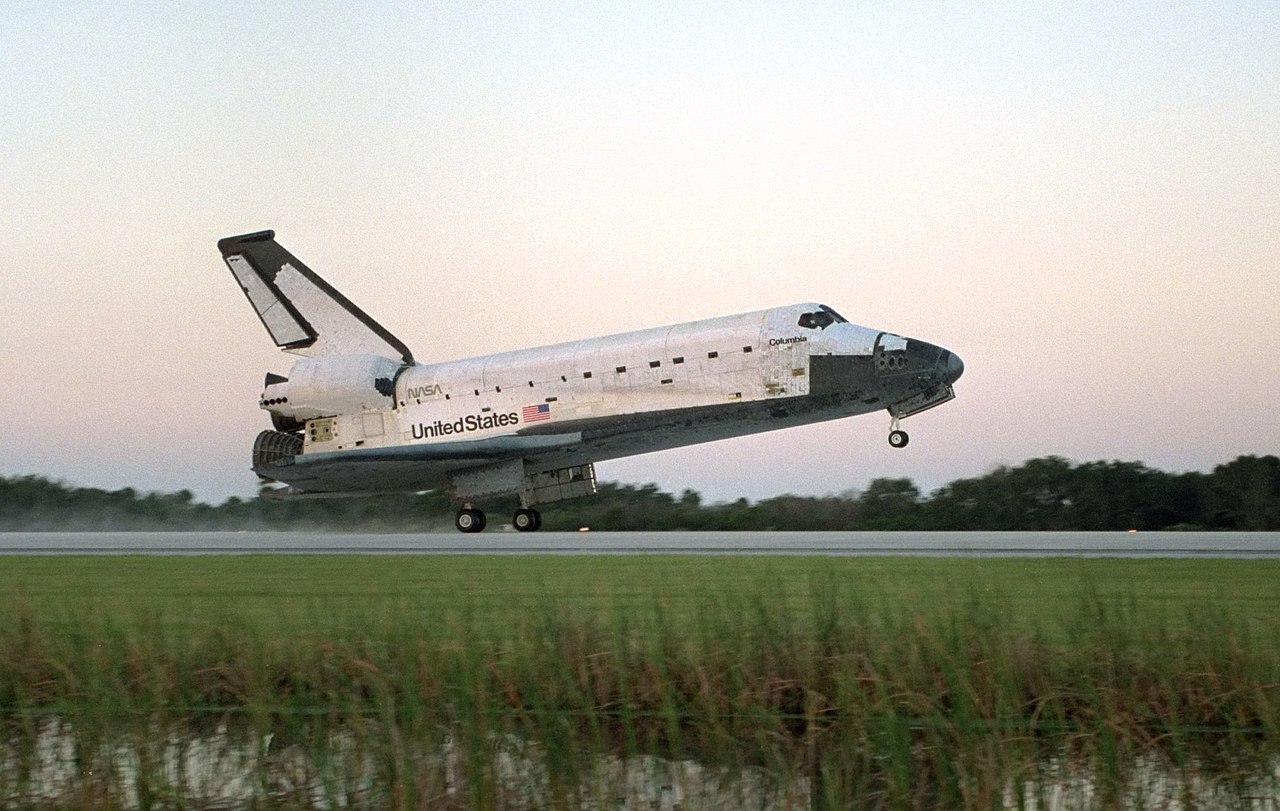
Overview: A spacecraft is a specialized vehicle designed to travel beyond or operate outside a planet's atmosphere. It can carry people and cargo, conduct scientific observation in Earth orbit and beyond, move through space to other planetary bodies, dock with space stations, remain in orbits, or return to a surface. The term covers a broad family of machines, from small communication satellites to large crewed vehicles.
Image gallery
10 Images






Design, components and types
Spacecraft are built from common subsystems assembled to meet mission goals. Typical elements include structural frames, payload modules, power systems, thermal control, guidance and navigation, communications, and a propulsion system. Major categories are:
- Satellites and observatories: vehicles that remain in orbit to provide services or measurements.
- Probes and landers: uncrewed craft that travel to and study other worlds.
- Rovers: mobile surface explorers.
- Crewed vehicles and habitats: designed to support humans for short or long durations.
Propulsion and energy
Most spacecraft leaving a planetary surface begin their journey aboard launch vehicles that lift off from launch pads at dedicated spaceports. Once in space, propulsion varies by mission: chemical rocket engines provide high thrust for departure and course changes, while missions not needing to escape deep gravity wells may use alternatives such as ion thrusters or solar-electric systems that trade thrust for much greater fuel efficiency. Other methods such as solar sails or concepts employing nuclear thermal propulsion are explored for certain applications. Designers must manage limited onboard energy, balancing power generation, storage and consumption.
Launch, operations and return
Getting into space requires overcoming a planet's gravity; if a vehicle must climb out of a strong gravity field it will demand substantial propellant and structural strength. Vehicles that do not need to escape strong gravity can be optimized differently. After launch, mission control teams monitor spacecraft health and command operations remotely. Some spacecraft are designed to return to the surface, recovering scientific samples or crew, while others operate until their systems fail or they are deliberately deorbited.
History, development and funding
Spaceflight began in the mid-20th century and was initially driven by state programs; early milestones and development were largely sponsored by national governments. Over recent decades, private organizations and commercial entities have grown into roles that include manufacturing, launching and operating spacecraft, aiming to reduce costs and increase access. Technological advances in materials, miniaturized electronics and propulsion continue to broaden the range of feasible missions.
Uses, importance and distinctions
Spacecraft provide communications, navigation, Earth observation, scientific discovery, and human presence beyond the atmosphere. Their designs reflect mission priorities: long-lived, stable platforms for telecommunications; lightweight probes for planetary flybys; robust habitats for crewed exploration. Important distinctions include whether a craft is crewed or uncrewed, whether it is intended to land or remain in orbit, and whether it is expendable or reusable. Innovations in reusability, commercial launch services, and in-space propulsion are shaping how future missions are planned and funded.
For further reading and technical resources see general introductions, historical summaries and manufacturer information via general vehicle descriptions, mission overviews at flight and cargo resources, and agency or company pages such as Earth-orbit programs, deep-space missions, planetary science summaries, and material on station operations. Additional practical guides include launch facility details at orbital infrastructure, launch vehicle design notes, pad operations at launch pads, spaceport logistics at spaceports, and propulsion technology discussions on rocket engines, gravity considerations, electric propulsion, efficiency trade-offs at alternative methods, energy budgeting at energy systems, and historical funding context at government programs.
Questions and answers
Q: What is a spacecraft?
A: A spacecraft is a vehicle that can carry people and cargo beyond the Earth's atmosphere, through space to other planetary bodies, space stations, or orbits and back home again.
Q: What are launch vehicles?
A: Launch vehicles are spacecraft that are launched from the surface of a planet and usually take-off from launch pads at spaceports.
Q: What propels spacecraft?
A: Most spacecraft today are propelled by rocket engines, which shoot hot gases opposite to the direction of travel.
Q: Are there other forms of propulsion used in spacecraft?
A: Yes, other forms of propulsion are used when appropriate, such as ion thrusters.
Q: Why are spacecraft usually expensive?
A: Spacecraft are usually very expensive to build, launch, and operate due to the very large amount of energy needed to leave the Earth's gravity.
Q: What do plans for future spacecraft focus on?
A: Plans for future spacecraft often focus on reducing costs so more people can participate in space.
Q: Who has sponsored all spacecraft until recently?
A: Until recently, all spacecraft were sponsored by national governments.
Related articles
Author
AlegsaOnline.com Spacecraft: vehicles for travel and operations beyond Earth's atmosphere Leandro Alegsa
URL: https://en.alegsaonline.com/art/92430