
Veteran
An experienced person, most commonly a former member of the armed forces; includes definitions, origins, roles, support systems, and distinctions from active personnel.
A veteran is someone with long experience in a particular field; in everyday use the term most often denotes a person who has previously served in the armed forces. The word traces to the Latin vetus, meaning "old," and emphasizes seniority of experience rather than age. In civilian contexts the adjective "veteran" describes seasoned professionals such as a veteran journalist or veteran athlete.
Image gallery
10 Images

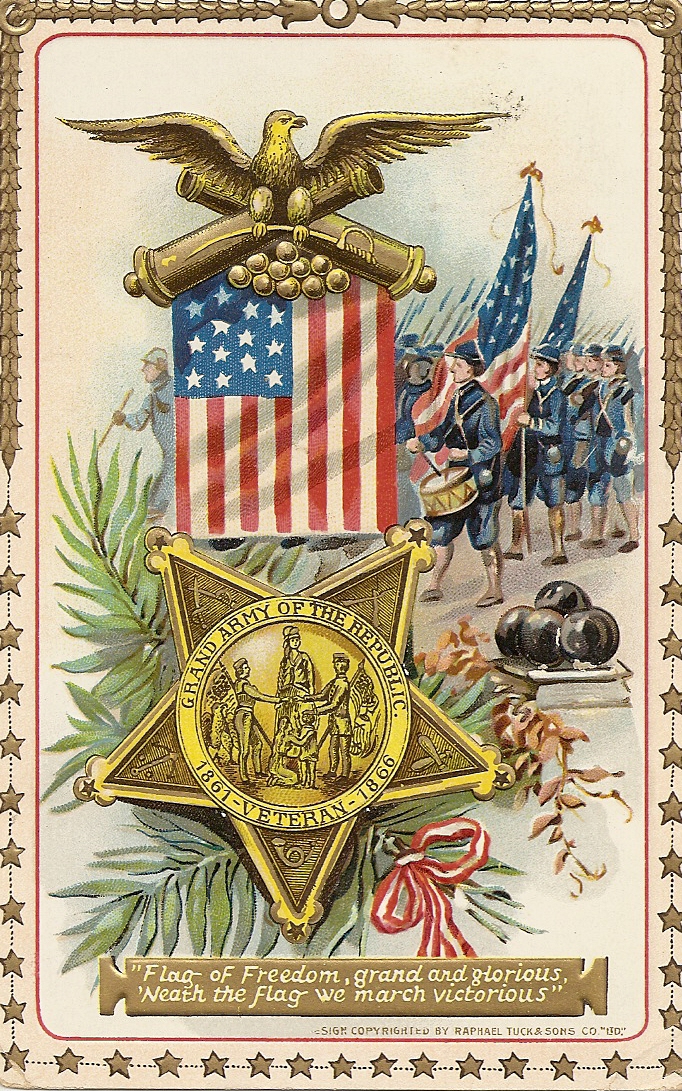

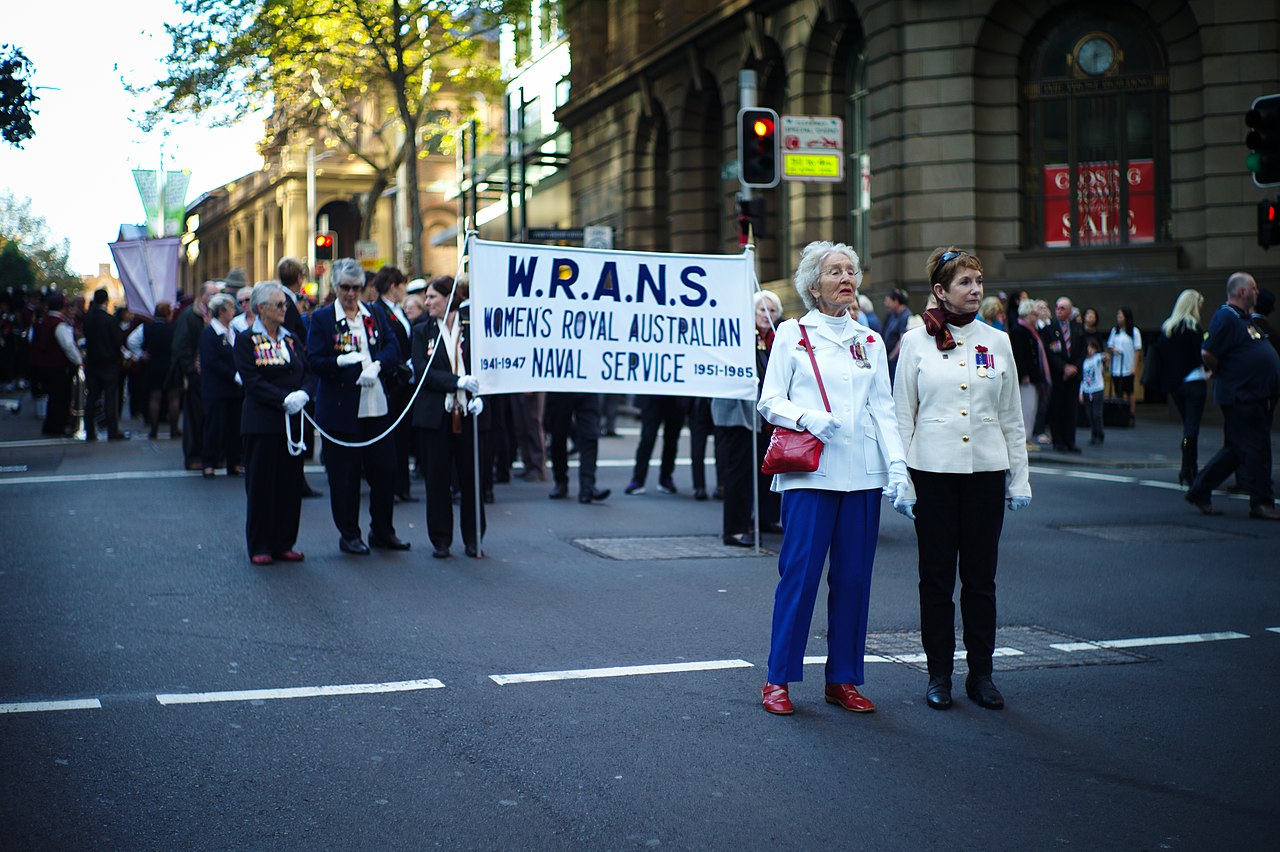


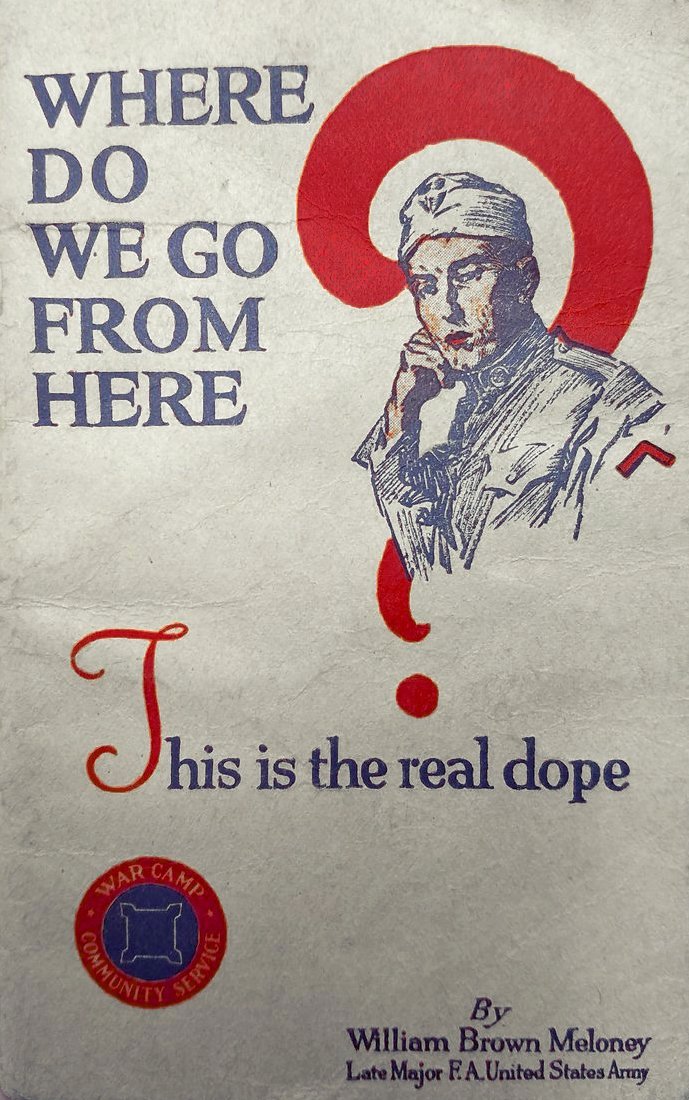

Definition and common usage
Official definitions of who qualifies as a veteran vary by country and program. Many nations recognise people who completed military service and were discharged under specific conditions; others require service during wartime or deployment overseas. The label covers a wide range of experiences, from non‑combat roles to front‑line combat, and may carry legal and social recognition, benefits, or priorities for services.
Characteristics and needs
Veterans often carry practical skills—leadership, technical training, discipline—as well as distinctive medical and social needs. Some adjust smoothly to civilian life and apply military skills to new careers; others face challenges such as physical injury, chronic pain, or mental health conditions including post‑traumatic stress. Community networks, veteran service organisations and government programs aim to support employment, healthcare, housing and social reintegration.
Common supports include:
- medical and mental health care tailored to service‑related needs;
- education and job training benefits to ease career transitions;
- housing assistance, pensions or disability compensation;
- peer groups and commemorative events that preserve shared identity.
Recognition of veterans takes cultural and civic forms: monuments, remembrance ceremonies and public holidays honour service and sacrifice. These practices vary widely but are central to how societies acknowledge the debt owed to those who served.
Important distinctions include the difference between veterans and active‑duty personnel, reservists who alternate civilian and military status, and civilians who never served. The term itself is broad and descriptive; understanding a person's specific service history, discharge status and entitlement is essential when discussing benefits, legal rights or historical records.
Related articles
Author
AlegsaOnline.com Veteran Leandro Alegsa
URL: https://en.alegsaonline.com/art/104802
Sources
- merriam-webster.com : "Veteran"