
Tank
A tank is a tracked, armoured fighting vehicle with a large main gun and crewed platform for frontline combat and combined-arms operations.
A tank is a heavily armoured, tracked combat vehicle designed to deliver firepower, mobility and protection on the battlefield. Modern tanks mount a large, direct-fire main gun in a rotating turret together with one or more supporting weapons, and they combine heavy protection with the ability to cross rough terrain. Tanks are a central element of land warfare doctrine and are typically used to penetrate defences, support infantry, and engage opposing armoured forces.
Image gallery
10 Images

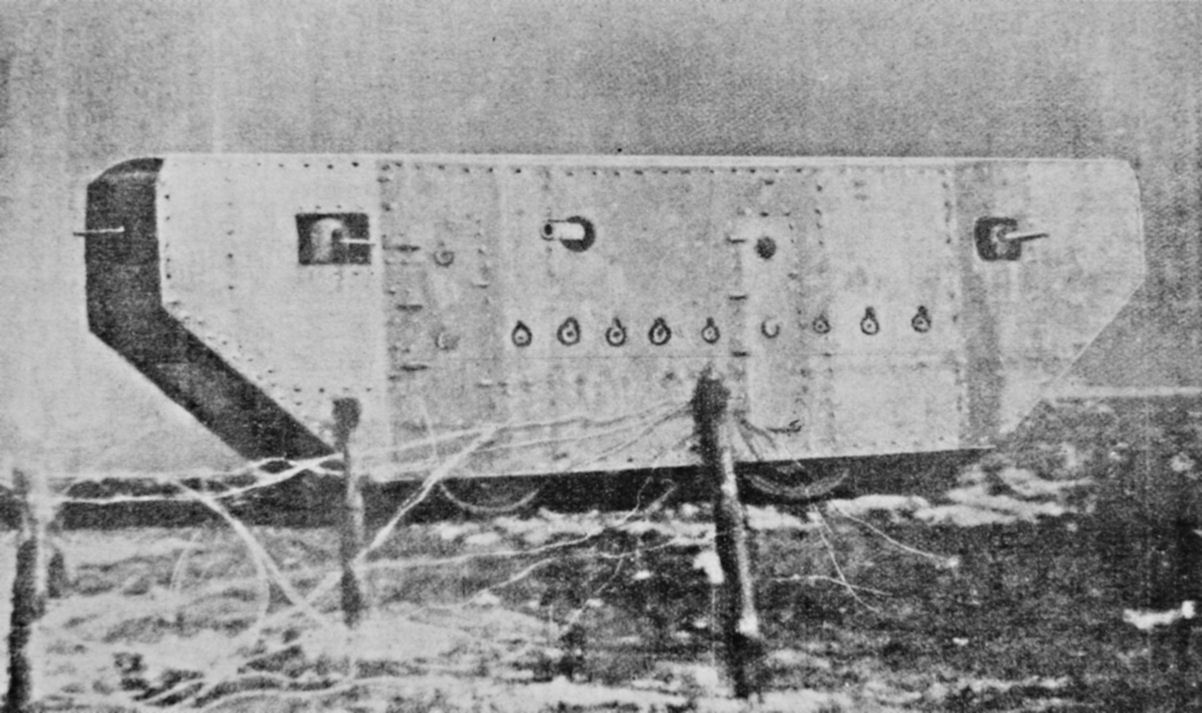


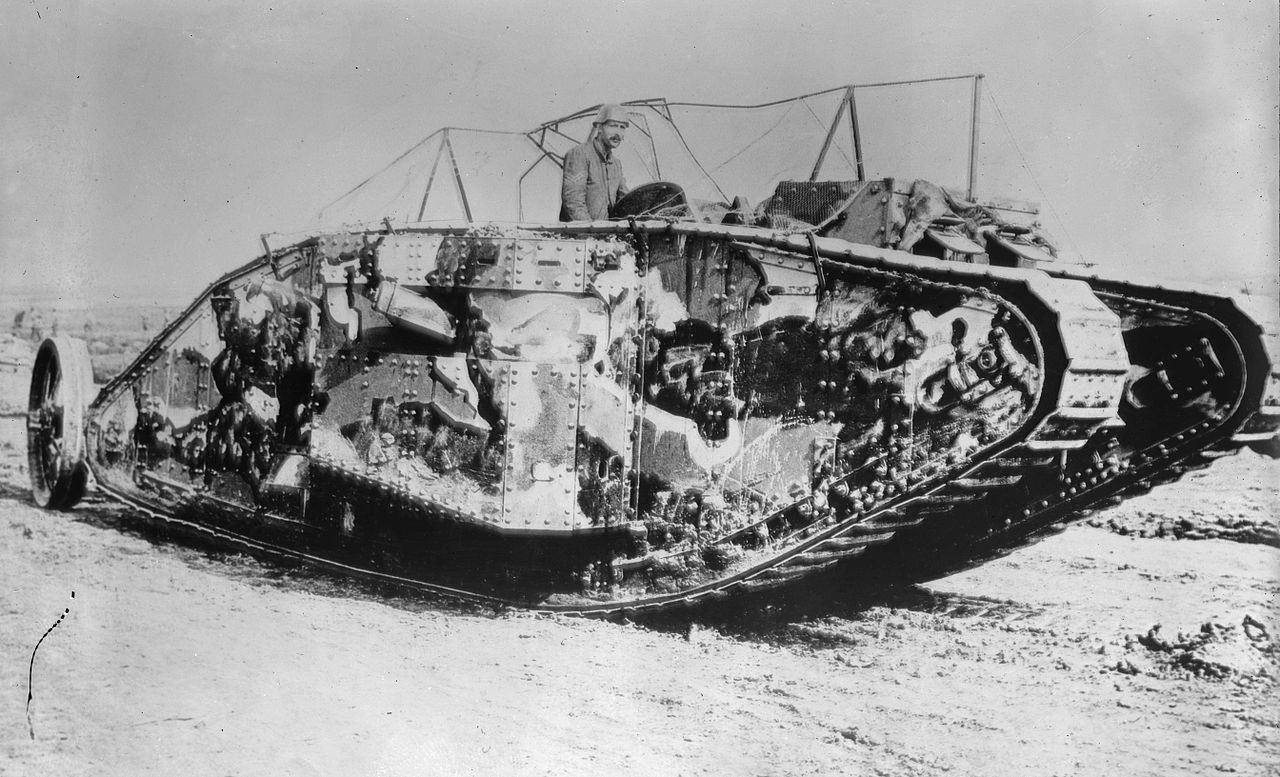

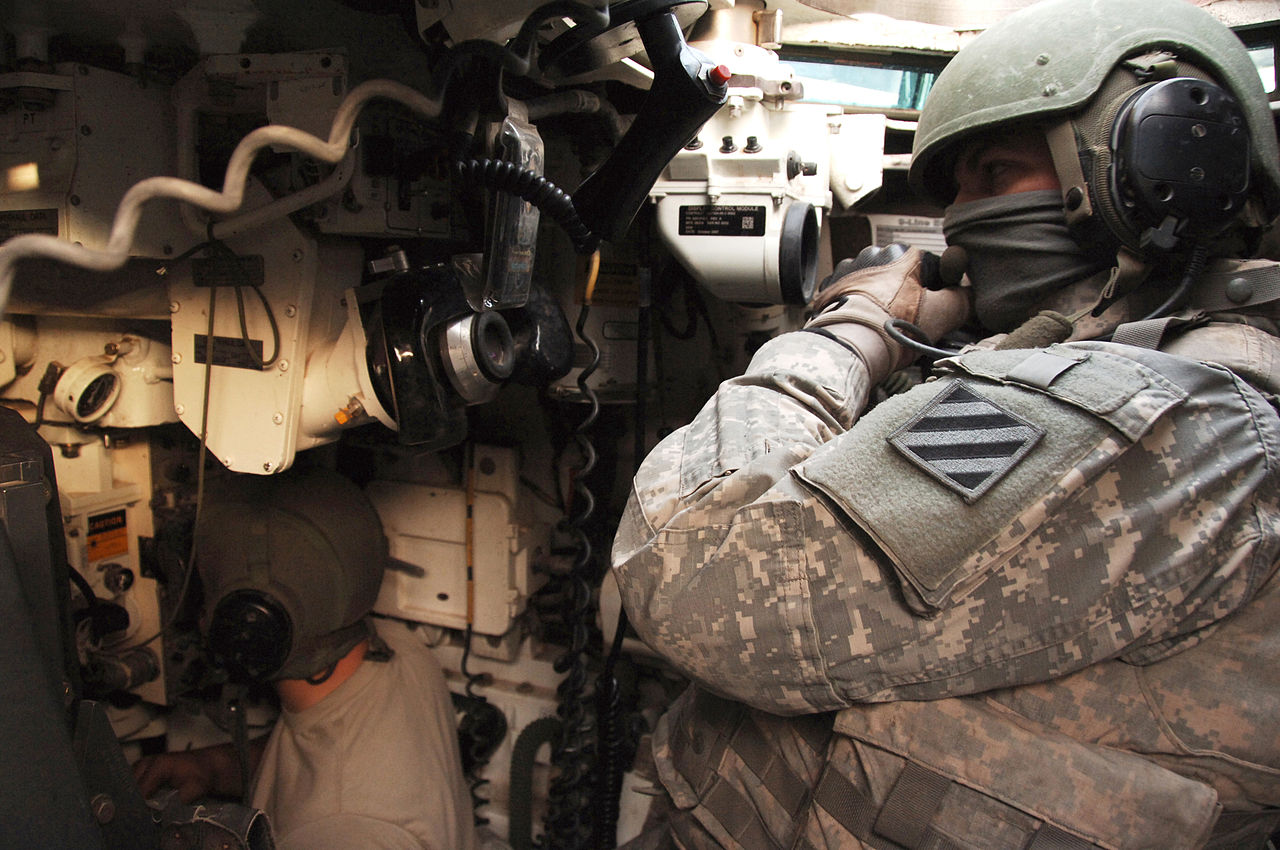


Design and main components
Key elements of a tank are its hull and turret, the propulsion system and tracks, the main armament and auxiliary weapons, and the crew compartment with fire-control systems. The primary weapon is a high-velocity, large-calibre gun often called the main gun. Armour protects vital areas and may include layered steel, composite materials and reactive panels; this general category is sometimes referred to simply as armour. Tanks also carry one or more machine guns for close-in defence and anti-infantry tasks.
Crew and internal roles
A typical crew size ranges from three to five people, depending on the design. Common roles include:
- Commander – directs the vehicle, assesses targets and coordinates with other units.
- Gunner – aims and fires the main weapon and coaxial firearms.
- Driver – operates and navigates the vehicle.
- Loader (where present) – handles ammunition for the main gun; some tanks use an autoloader to reduce crew size.
- Radio operator or additional crew – found on some older or larger vehicles to manage communications; historically some designs assigned a dedicated radio operator.
The overall crew concept and number are often discussed under the generic term crew, which encompasses command, targeting, driving and maintenance duties.
History and development
Tanks emerged during the First World War as a solution to trench warfare, providing protected mobility across broken ground. Their development accelerated between the wars and saw massive expansion in World War II, when tanks were decisive in many campaigns. Postwar evolution produced the main battle tank (MBT) concept that combined firepower, protection and mobility into a single class, replacing the earlier separate light, medium and heavy tank categories.
Capabilities and modern features
Contemporary tanks include advanced fire-control systems, stabilized turrets for firing on the move, thermal sights, and composite armour. Some are fitted with active protection systems to defeat incoming projectiles. Engines are typically powerful diesel units or gas turbines, paired with suspension and track systems that maximize cross-country mobility. Tanks operate as part of combined-arms formations alongside infantry, artillery and air support.
Roles, variants and distinctions
Tanks serve roles such as breakthrough and exploitation, direct fire support, anti-armour combat, and area denial. Variants include light tanks for reconnaissance, main battle tanks for frontline combat, and specialized vehicles like engineering tanks or bridge-layers derived from tank chassis. Tanks differ from armoured personnel carriers and infantry fighting vehicles primarily in emphasis: tanks prioritize heavy direct fire and protection for combat against other armoured threats, whereas the others focus on carrying and supporting infantry.
Tanks remain a symbol of ground combat power and a complex integration of armour, weaponry, sensors and mobility. Their technical and tactical evolution continues in response to changing threats and technologies.
Main gun | Armour | Machine guns | Crew | World War II | Radio operator
Questions and answers
Q: What is a tank?
A: A tank is an armoured combat vehicle with a large cannon on a turret and thick armor for protection.
Q: What type of guns do tanks usually have?
A: Most tanks have a powerful gun and one or more machine guns.
Q: How many people are typically in a tank crew?
A: A tank crew is normally 3-5 members.
Q: Who are the members of a tank crew?
A: The tank crew consists of a driver, commander, gunner, and possibly a loader.
Q: What is the role of the loader?
A: The loader handles the ammunition for the main gun so that the gunner can concentrate on targeting.
Q: Did some WWII tanks have a separate soldier responsible for the radio?
A: Yes, some WWII tanks also had a separate soldier responsible for the radio.
Q: How do tanks move on rough terrain?
A: Tanks move on rough terrain using tracks that wrap around their wheels to spread out their weight.
Related articles
Author
AlegsaOnline.com Tank Leandro Alegsa
URL: https://en.alegsaonline.com/art/96298