
Beef: meat from cattle — types, cuts, production, cooking and cultural role
Beef is the culinary and commercial name for meat from cattle and other bovines. This article explains major cuts, production and grading, culinary uses, history, and notable distinctions.
Beef is the name given to the flesh of cattle and, in broader usage, to meat from other bovine animals. It is an important global source of protein and culinary variety. In food labeling and culinary discussion the term meat usually specifies beef when cattle are the source; the animals themselves are referred to as cattle. Consumption patterns vary worldwide, and beef is particularly prominent in countries such as the United States.
Image gallery
10 Images


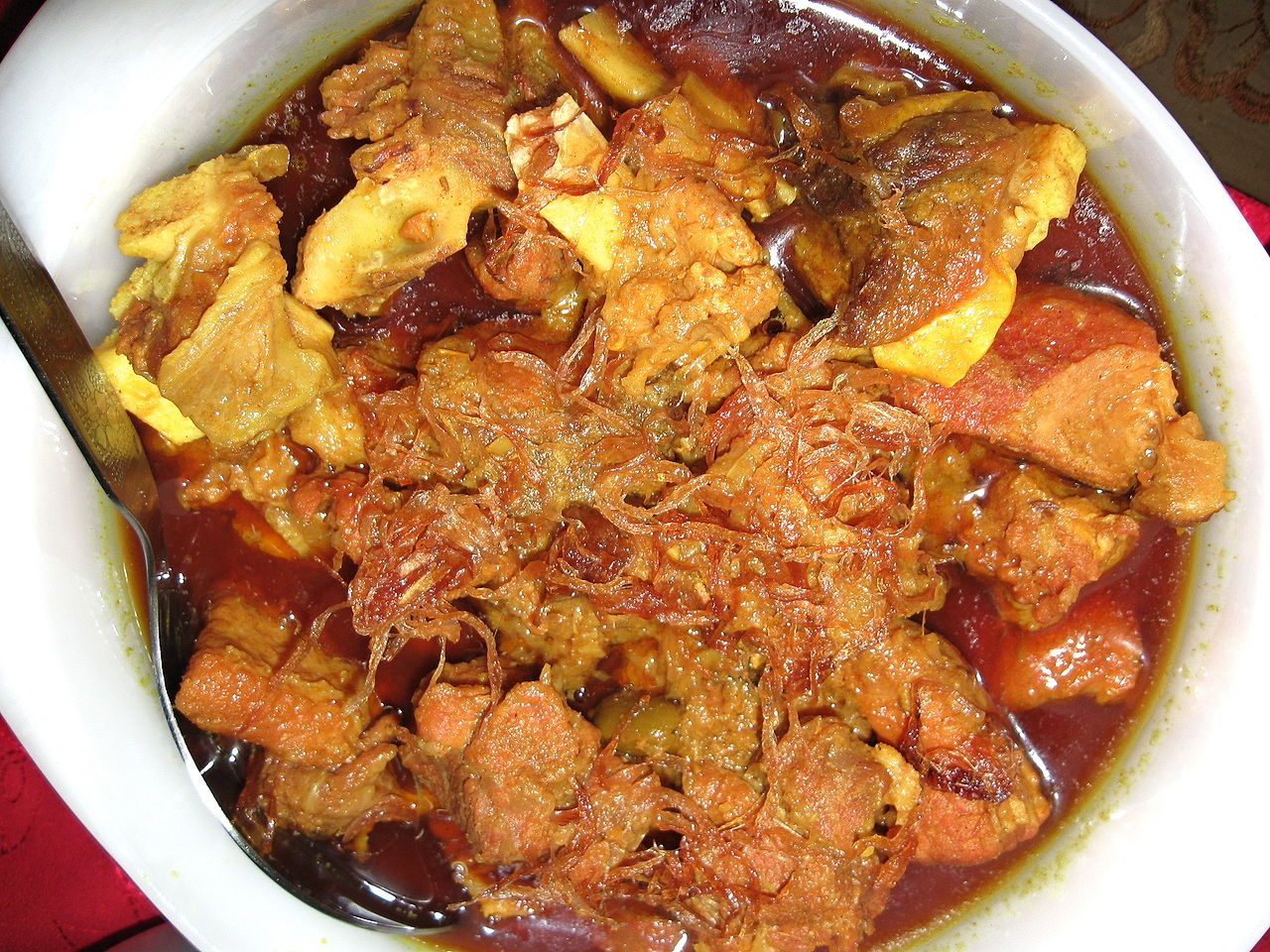
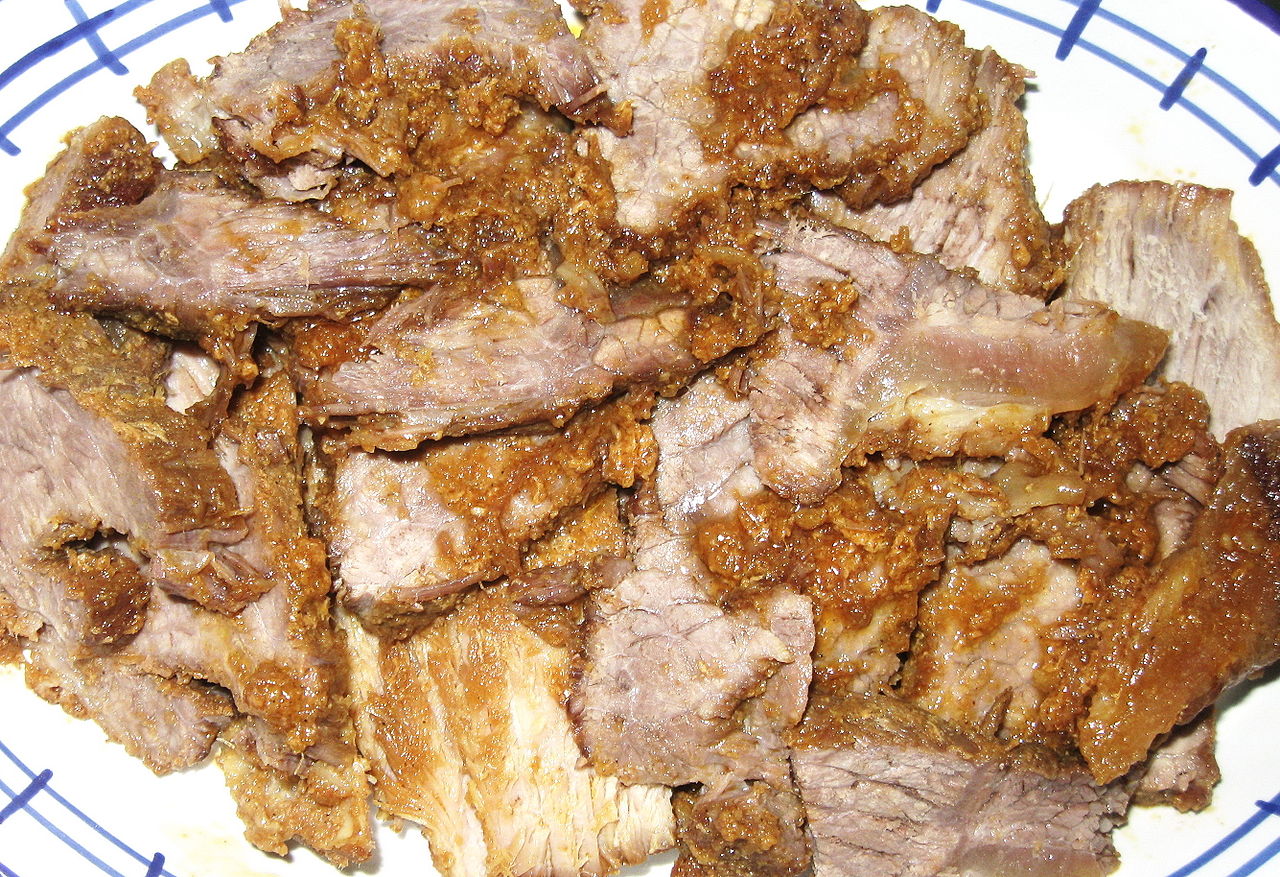


Characteristics and common cuts
Beef differs by age, diet, and breed of the animal, producing variations in flavor, tenderness, and fat content. Commercial butchery divides carcasses into primal cuts that are further broken down into retail cuts. Common examples include:
- Rib — ribeye steaks, prime rib
- Short loin — strip steak, tenderloin
- Chuck — pot roast, ground beef
- Round — rump, eye of round
- Brisket and shank — suited to slow cooking
Production, grading and safety
Beef production encompasses breeding, raising, finishing and slaughter. Many countries use grading systems that assess marbling, maturity and yield to classify quality. Handling and cooking temperatures are important for food safety to reduce the risk of bacterial contamination; ground beef and certain preparations require higher internal temperatures than intact cuts.
Culinary uses and preparation
Beef is used across cuisines in steaks, roasts, stews, ground preparations, cured products and sausages. Cooking methods include grilling, pan-searing, roasting, braising and slow smoking. Choice of cut guides technique: tender cuts are often quick-cooked, while tougher cuts benefit from long, moist heat.
History, culture and notable facts
Domestication of cattle transformed human diets and economies. Beef plays roles in cultural traditions, festivals and national dishes. Contemporary discussion also addresses environmental impacts, animal welfare and health considerations, prompting innovations in production practices and alternative products. Understanding the types of beef, their uses and trade-offs helps consumers make informed choices.
Related articles
Author
AlegsaOnline.com Beef: meat from cattle — types, cuts, production, cooking and cultural role Leandro Alegsa
URL: https://en.alegsaonline.com/art/10077