
Carnivore: dietary category, adaptations, and ecological role
Comprehensive overview of carnivores: animals that consume animal tissue, their anatomical and behavioral adaptations, feeding categories (predator, scavenger, insectivore, piscivore), ecological importance, and distinctions.
A carnivore is any organism whose diet is based largely or entirely on animal tissue. In everyday usage the term refers to predators and scavengers that consume flesh, but it also appears as a technical name for a group of mammals. The mammalian order Carnivora contains many meat-eating species, yet the dietary label "carnivore" is broader than that taxonomic group. For a discussion of the taxonomic concept see Carnivora (order).
Image gallery
8 Images
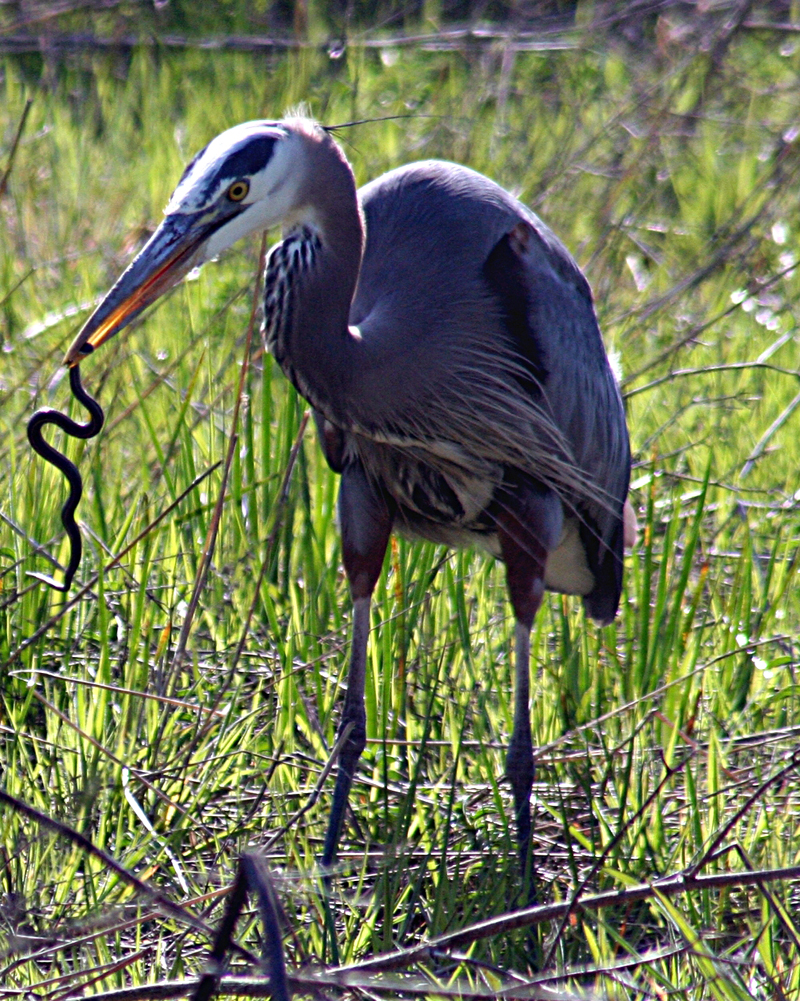


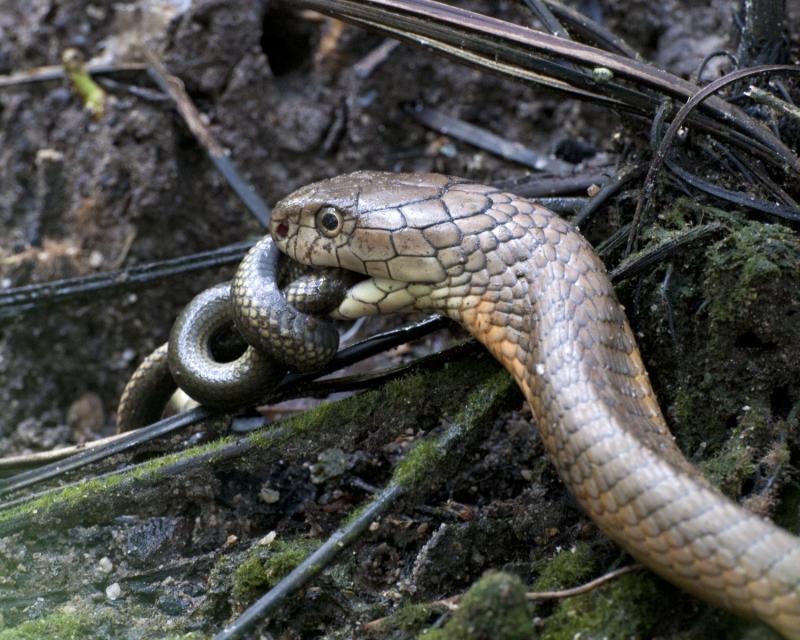


Characteristics and adaptations
Carnivores show anatomical and physiological traits that facilitate capturing, killing and digesting other animals. Common features include sharp incisors and carnassial teeth for slicing flesh, claws or talons for grasping, forward-facing eyes for depth perception, and digestive systems that handle high-protein, high-fat diets. Some species are obligate carnivores, requiring animal protein to meet nutritional needs; others are facultative carnivores or omnivores that include non-animal foods.
Feeding strategies and categories
Feeding styles vary widely. Predators hunt and kill live prey; scavengers consume carrion. Specialists are defined by their preferred prey:
- Insectivores — animals that feed mainly on insects (insectivores, insect-eating species).
- Piscivores — species that eat primarily fish (piscivores).
- Hyper- and mesocarnivores — terms used by ecologists to describe diets composed largely or partially of meat.
Examples and notable facts
Classic carnivores include large felids and canids, birds of prey, many sharks and crocodilians. Domestic cats are often cited as typical obligate carnivores because they require certain nutrients found in animal tissues. Not every member of the order Carnivora is strictly carnivorous; for example, the giant panda eats mainly bamboo despite its taxonomic placement. The common notion that carnivores "only" eat meat is therefore an oversimplification—diet often exists on a continuum from strict meat-eating to mixed feeding.
Ecological role and human interactions
Carnivores regulate prey populations, influence community structure through top-down effects, and accelerate nutrient cycling by breaking down animal biomass. Human activities such as habitat loss, persecution, and overhunting of prey have threatened many carnivore species, making conservation a major concern. Carnivores also have cultural, economic and scientific importance as predators, scavengers and ecosystem engineers.
Beyond animals, the term "carnivore" is applied to other life forms that consume animals or animal parts—most familiarly carnivorous plants that trap insects for nutrients. For more general reading on the subject consult introductory sources linked here: meat and diet.


Term differentiation for terrestrial vertebrates
In zoophagous terrestrial vertebrates (Tetrapoda), a distinction is often made between carnivores in the narrower sense and insectivores. While carnivores in the narrower sense feed mainly on the muscle meat (usually self-hunted) of smaller vertebrates, insectivores eat mainly insects and other terrestrial invertebrates (earthworms, land snails). As a rule, these two diets correlate with the body size attained by the representatives of the species in question. Carnivores in the narrower sense are usually larger than insectivores.
The carnivores in the narrower sense are further differentiated into carnivores in the narrowest sense, which feed predominantly on the muscle meat of other tetrapods, and piscivores, which specialize in hunting and eating fish (mostly representatives of the bony fishes). The carnivores in the strictest sense are usually the top predators in their ecosystem.
In the dietary habits of carnivores in particular, a distinction is sometimes made between hypocarnivory (maximum 30% vertebrate meat), mesocarnivory (50-70% vertebrate meat) and hypercarnivory (more than 70% vertebrate meat) on the basis of the proportion of vertebrate meat in the diet.
See also
- Diet
- Consumer (ecology)
- Predator
Questions and answers
Q: What is a carnivore?
A: A carnivore is an animal that only eats meat.
Q: What is the difference between a predator and a scavenger?
A: Predators hunt and kill their own prey, while scavengers eat animals that they did not kill themselves.
Q: What are insectivores?
A: Insectivores are carnivores that mainly or only eat insects.
Q: What are piscivores?
A: Piscivores are carnivores that mainly or only eat fish.
Q: Does the word "carnivore" only describe the Carnivora scientific order?
A: No, the word "carnivore" describes more than just the scientific order Carnivora.
Q: Do all animals in the Carnivora scientific order eat meat?
A: Almost all animals in the Carnivora do eat meat, but there are a few that do not.
Q: What is the difference between a carnivore and an herbivore?
A: A carnivore only eats meat, while an herbivore only eats plants.
Related articles
Author
AlegsaOnline.com Carnivore: dietary category, adaptations, and ecological role Leandro Alegsa
URL: https://en.alegsaonline.com/art/17163