
Poultry: Domesticated Birds Kept for Eggs, Meat, and Feathers
Overview of poultry: common types, origins, uses in food and agriculture, distinctions from game birds, and basic welfare and management considerations.
Poultry are domesticated birds bred and raised principally for their eggs, meat, and feathers. The term covers a range of species that people rear under controlled conditions rather than wild birds taken for sport. In broad classification most commonly kept poultry belong to the fowl group Galloanserae (fowl), notably the order Galliformes, though other bird groups are also included when domesticated for food or products.
Image gallery
10 Images




Characteristics and common types
Poultry species vary in size, behavior and husbandry needs but share traits that make them adaptable to captivity: relatively fast growth, high reproductive rate, and efficient conversion of feed into protein. Common examples include:
- Chickens – the most widespread and versatile poultry for both eggs and meat.
- Turkeys – raised largely for meat.
- Ducks and geese – kept for meat, eggs and down feathers.
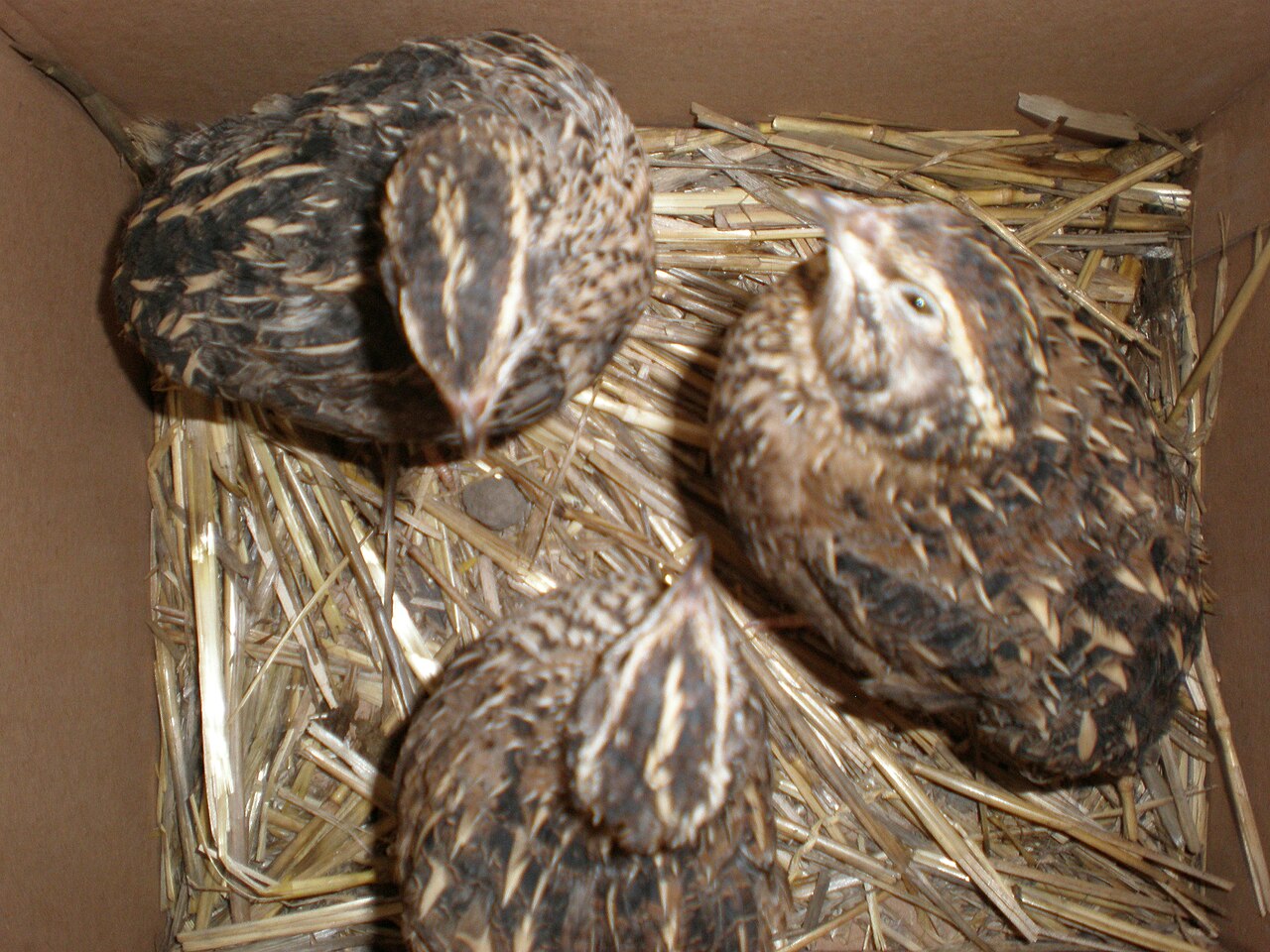
- Quails and other small gamefowl – often reared for eggs or specialty meat.
- Pigeons and squabs – young pigeons are sometimes raised and slaughtered as a delicacy.
History and etymology
People have kept and selectively bred poultry for thousands of years in many parts of the world. Domestic fowl were integrated into agricultural systems to provide reliable sources of animal protein and materials. The English word "poultry" derives from the French/Norman poule, itself from Latin pullus, meaning a young animal or fowl. Over centuries different breeds and production methods developed to meet regional diets and economic needs.
Uses, management and importance
Poultry production ranges from small backyard flocks to large commercial operations. Uses include direct human consumption, processing into prepared foods, and supply of eggs year-round. Poultry provide livelihoods, contribute to food security, and supply by-products such as feathers used in insulation and bedding. Good management emphasizes nutrition, housing, disease prevention and biosecurity to maintain flock health.
Distinctions and welfare considerations
By convention the term excludes wild species hunted as game, even when those species are related. Modern discussions also stress welfare, environmental impacts and humane slaughter practices. Consumers and producers may face trade-offs between production efficiency and animal well‑being, leading to varied systems from free‑range and organic to intensive indoor production.
For further reading on classification and husbandry see resources on domesticated birds, husbandry techniques for birds kept by humans, and specific guidance on rearing for meat or eggs. Specialist literature and extension services provide regionally tailored advice for breeds, biosecurity and welfare practices.
Related articles
Author
AlegsaOnline.com Poultry: Domesticated Birds Kept for Eggs, Meat, and Feathers Leandro Alegsa
URL: https://en.alegsaonline.com/art/78482