
Milk chocolate
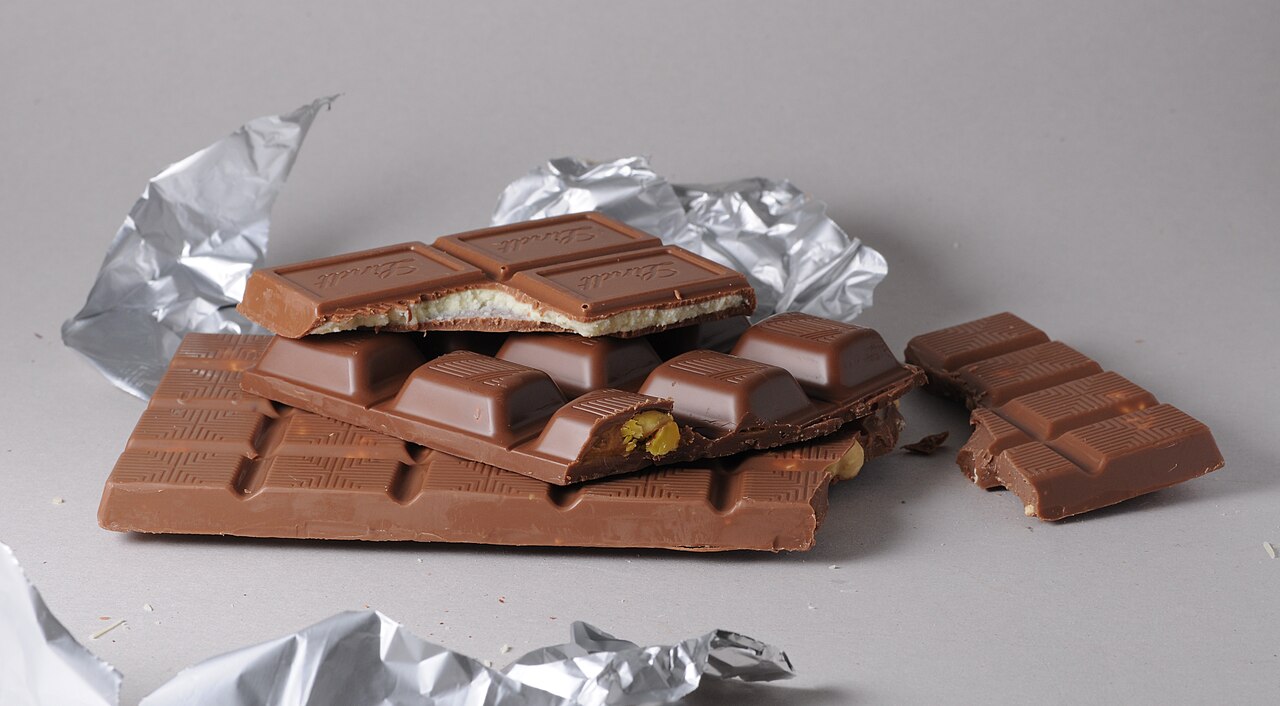
Milk chocolate is a sweet chocolate variety made with cocoa, sugar and milk solids. It evolved in the 19th century into the familiar solid bars and remains one of the most widely consumed confectionery types.
Milk chocolate is a form of chocolate confectionery characterized by the addition of milk in solid or liquid form to a cocoa-based mixture. Unlike darker chocolates that emphasize higher cocoa solids, milk chocolate is formulated to be sweeter and creamier. For a general overview see milk chocolate.
Image gallery
8 Images



Ingredients and structure
Typical milk chocolate contains a combination of ingredients that contribute to its texture, flavor and shelf stability. Common components include:
- Cocoa mass and cocoa butter — the fat and solids derived from cacao that provide chocolate flavor and mouthfeel; often referred to generally as cocoa.
- Sugar — the principal sweetener, balancing cocoa bitterness; see sugar.
- Milk solids — provided as powdered milk, condensed milk or milk fat, which give a milky flavor and softer texture; related information at milk.
- Minor ingredients — emulsifiers (such as lecithin), flavorings (vanilla), and sometimes stabilizers.
History and development
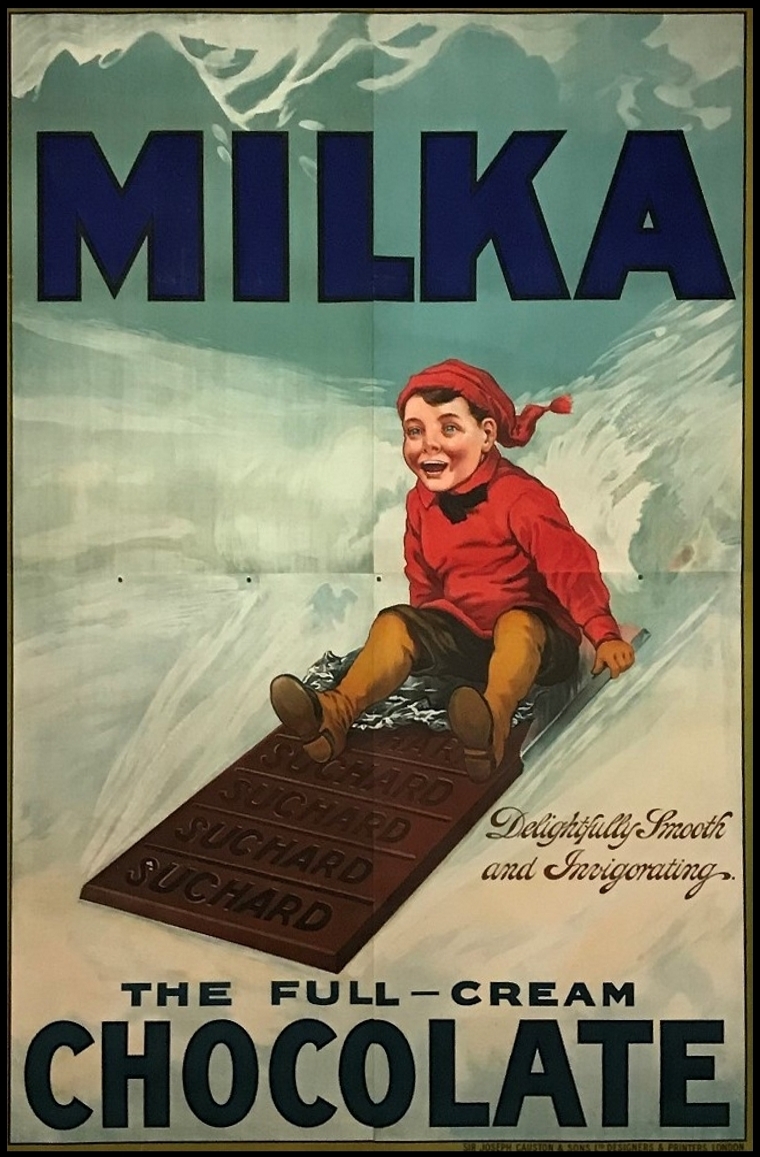
Chocolate began as a bitter beverage in pre-Columbian Mesoamerica and reached Europe in the 16th century, where it was initially consumed as a drink. The phrase "milk chocolate" appears in early European records — one early reference describes a milk-based chocolate beverage brought from Jamaica to London in 1687 — though that usage referred to a drink rather than a solid bar (early reference). The first commercially successful solid milk chocolate bar is usually credited to a Swiss confectioner in the late 19th century: in 1875 Daniel Peter experimented with milk and cocoa to produce a stable solid chocolate, a development that was aided by condensed-milk technology and later improvements in refining and conching (invention and refinement).
Uses, variants and distinctions
Milk chocolate is widely used as a finished product and as an ingredient. Common forms and uses include:
- Bars and tablets for direct consumption.
- Filled and coated confections (caramels, nuts, pralines).
- Baking and confectionery applications where a milder chocolate flavor is desired.
Variants include higher- or lower-cocoa milk chocolates, flavored milk chocolates, and modern plant-based alternatives that mimic milk with soy, oat or almond ingredients. Milk chocolate is distinct from dark chocolate (which contains little or no milk solids and often more cocoa) and from white chocolate (which contains cocoa butter but no cocoa solids).
Nutrition and cultural importance
Milk chocolate tends to be higher in sugar and dairy-derived fats than darker chocolates, which affects both flavor and nutritional profile. It is a major product in global confectionery markets and has played a central role in popularizing chocolate as an everyday snack. Because it contains milk, it is a common allergen and is not suitable for people with dairy intolerance unless labeled as dairy-free or vegan.
For further reading about production methods, standards and the history of chocolate's spread in Europe and North America, consult specialist sources and food-regulatory guidance available from confectionery industry references and food-safety authorities.
Related articles
Author
AlegsaOnline.com Milk chocolate Leandro Alegsa
URL: https://en.alegsaonline.com/art/64988