
Felidae: The Cat Family — traits, evolution, and role in nature
Felidae is the biological family of cats, a group of obligate carnivorous mammals including wild species and the domestic cat; they share distinctive anatomy, a fossil history since the Oligocene, and varied ecological roles.
The Felidae are a family of mammals commonly known as cats. Members of this family are often called felids. They belong to the larger mammalian grouping mammals and are placed within the carnivoran order Carnivora. The family itself is usually referred to simply as Felidae. Modern felids are obligate carnivores with adaptations for hunting, and they occupy a wide range of habitats on most continents.
Image gallery
10 Images


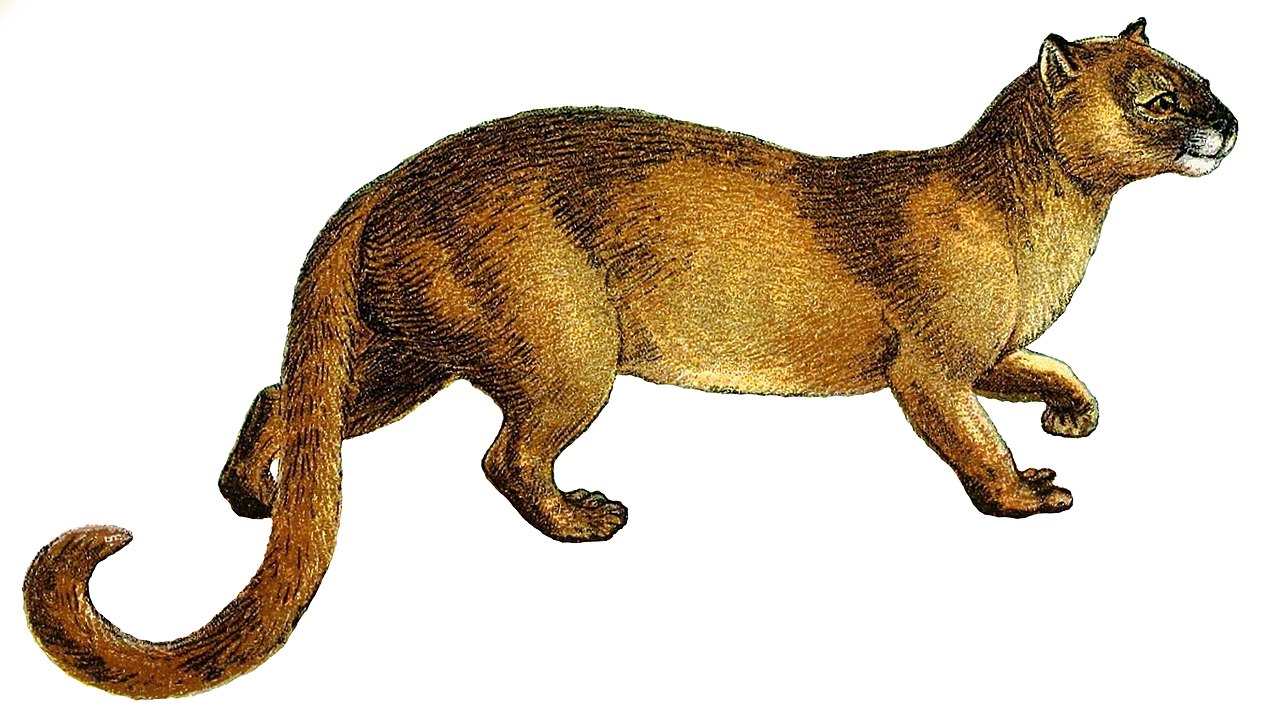
Physical characteristics
Felids share a set of anatomical features that distinguish them from other carnivorans. Common traits include a flexible spine, shortened skull with strong jaw muscles, specialized teeth for shearing meat (carnassials), and typically protractile (retractable) claws. Most are digitigrade, walking on their toes, and have acute vision and hearing adapted for detecting prey. Body size varies enormously across species, from small wildcats to the largest pantherines.
Taxonomy and evolution
Fossil evidence indicates that true cats arose in the Oligocene and diversified through the Miocene and later epochs; many modern lineages trace back to ancestors alive tens of millions of years ago. Felids are generally considered monophyletic, meaning all living species descend from a common ancestral lineage. Classifications commonly divide the family into subgroups such as the big cats (pantherines) and smaller felines, reflecting both genetic relationships and differences in skull and larynx structure that influence size and vocalizations.
Behavior, ecology, and human interactions
Most felids are solitary predators that establish territories, communicate via scent marking and vocal signals, and hunt a variety of prey. An exception is the lion, which is notably social. Felids play important ecological roles as apex or mesopredators, helping regulate prey populations and maintain ecosystem balance. Humans have a long relationship with one felid species in particular: the domestic cat, which accompanied settled agriculture and spread worldwide. Many wild felids face threats from habitat loss, persecution, and hunting, and several species are conservation priorities.
Notable species and distinctions
- Panthera species: the largest cats such as lions, tigers and jaguars, capable of roaring due to specialized throat anatomy.
- Smaller felines: species like the lynx, ocelot, and bobcat, often more arboreal or adapted to dense cover.
- The cheetah: unique among felids for its extreme sprinting ability and semi-retractable claws.
- Mountain-dwelling and forest species: many felids have evolved specialized coats and behaviors for cold or densely vegetated habitats.
Further reading and resources
For general taxonomic context see the order-level overview at Carnivora resources. For field identification and species lists consult regional guides or databases linked from reputable institutions: an introductory catalogue of felid diversity is often available through broad mammal databases Felidae references and conservation organizations mammal conservation pages. For genetics and evolutionary studies, researchers typically cite molecular analyses and fossil summaries available in specialist literature Carnivora and felid studies.
Questions and answers
Q: What is Felidae?
A: Felidae is a family of mammals.
Q: In which order do Felidae belong?
A: Felidae belong in the order Carnivora.
Q: What are felids?
A: Felids are the animals that belong to the family Felidae.
Q: When did the first fossils of Felidae appear?
A: The first fossils of Felidae appeared in the Oligocene period, 25 million years ago.
Q: How many living species are there in the Felidae family?
A: There are 41 living species in the Felidae family.
Q: Which animals are included in the Felidae family?
A: The Felidae family includes animals such as the domestic cat.
Q: Are all the species in the Felidae family descended from the same ancestor?
A: Yes, all the species in the Felidae family are descended from the same ancestor and are therefore monophyletic.
Related articles
Author
AlegsaOnline.com Felidae: The Cat Family — traits, evolution, and role in nature Leandro Alegsa
URL: https://en.alegsaonline.com/art/33921
Sources
- commons.wikimedia.org : Felidae
- species.wikimedia.org : Felidae
- news.nationalgeographic.com : "Cats climb new family tree"
- plosgenetics.org : "Pseudogenization of a sweet-receptor gene accounts for cats' indifference toward sugar"
- doi.org : 10.1371/journal.pgen.0010003
- ncbi.nlm.nih.gov : 1183522
- pubmed.ncbi.nlm.nih.gov : 16103917
- doi.org : 10.1126/science.1122277
- pubmed.ncbi.nlm.nih.gov : 16400146
- doi.org : 10.1146/annurev.genom.6.080604.162151
- pubmed.ncbi.nlm.nih.gov : 16124868
- ncbi.nlm.nih.gov : ncbi.nlm.nih.gov/pubmed/9071018?dopt=Abstract