
Menu (list of dishes, types, history and design)
A menu is a curated list of dishes offered by an eatery. This article explains its history, common formats (à la carte, table d'hôte, tasting), design and management, and modern digital trends.
A menu is a structured list of food and beverage items that an establishment offers to diners. It serves as both a practical ordering tool and a communication device that shapes customer expectations. In addition to item names and prices, menus commonly include descriptions, portion indicators, ingredient notes, and special labels such as vegetarian, gluten-free, or allergen warnings. The word "menu" comes from French, where it originally implied something small or detailed; in modern usage it applies to printed, written, display, or digital formats used in restaurants, cafés, catering and other foodservice contexts.
Menus have a long and varied history. Examples of organized food lists appear in several cultures; written lists of dishes have been recorded in China as far back as the Song dynasty, where the diversity of regional cooking in large cities encouraged caterers to present choices to patrons. In Europe, dated references to menus appear by the 18th century, when dining out and formalized service became more widespread in urban centers. The sequential arrangement of courses familiar in many Western restaurants was standardized and popularized by influential chefs in France; the system of courses and descriptive menu writing was refined during the 19th and early 20th centuries by leading culinary figures such as Georges Auguste Escoffier, who helped codify modern professional kitchen organization and menu structure. For further historical context on European practices see 18th-century Europe, and for early Chinese examples see Song dynasty sources.
Image gallery
10 Images


Common types and formats
- À la carte — each dish listed and priced separately, offering flexibility for diners.
- Table d'hôte / prix fixe — a predetermined selection or multi-course meal offered at a fixed price.
- Tasting menu — a curated progression of small portions highlighting a chef's style, often priced per person.
- Buffet — many items presented for self-service, charged by plate, weight, or fixed fee.
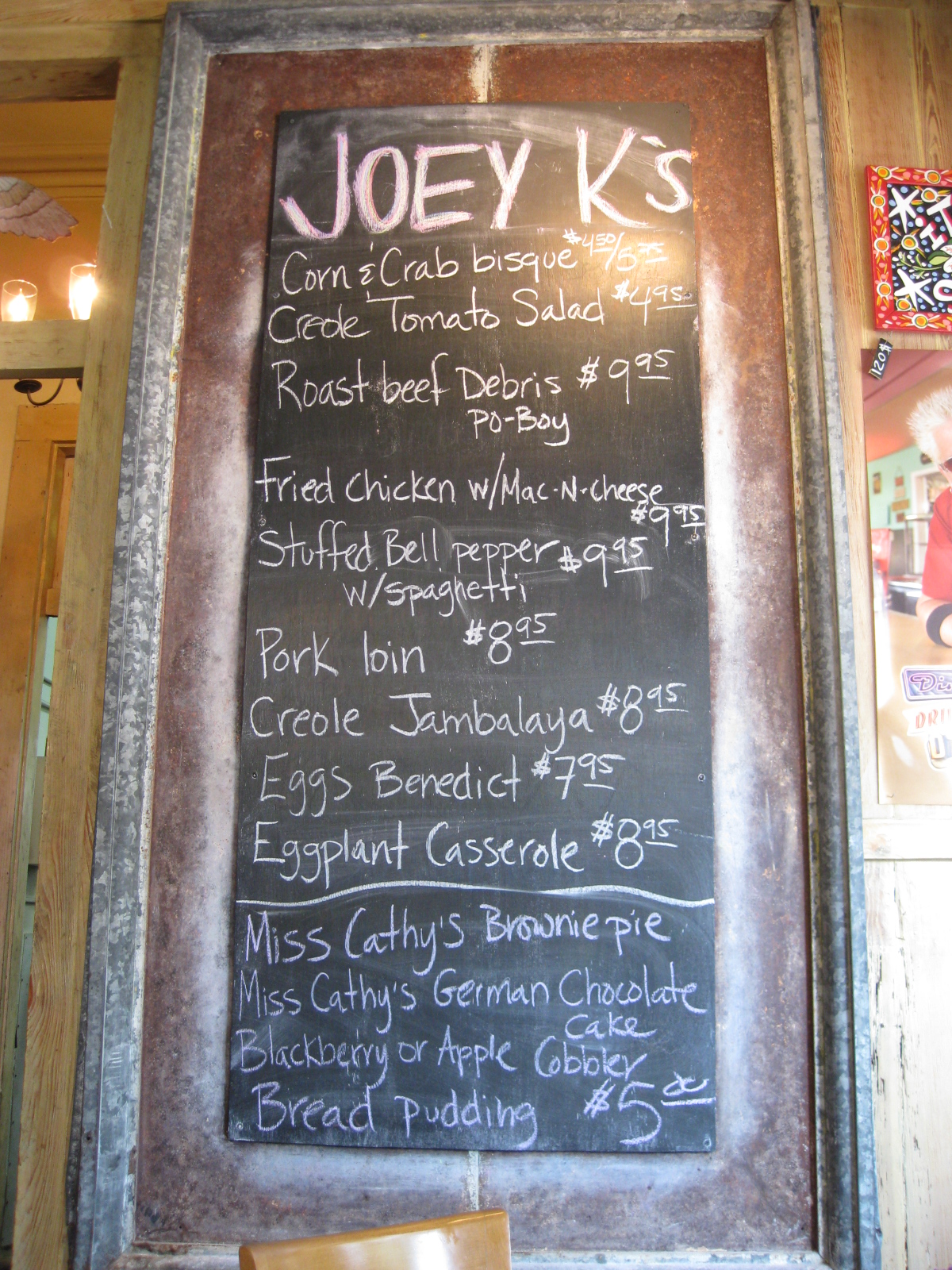
- Chalkboard or daily specials — hand-written or changeable lists that reflect seasonal availability, catches of the day, or market buys.
- Cycle menus — repeating menus used in institutions (schools, hospitals) to provide variety while managing cost and nutrition.
Design, marketing and management
Beyond content, the visual and verbal design of a menu influences what customers choose and how profitable a meal can be for a business. Modern practice known as "menu engineering" treats the menu as a marketing document: placement, item descriptions, typography, use of photos or icons, and strategic pricing all affect sales. Menu engineering evaluates items by popularity and profitability to identify stars, puzzles, plow-horses, and dogs, and encourages operators to promote higher-margin dishes through placement and descriptive language. Legal and regulatory considerations also shape menu design: many jurisdictions require calorie counts, allergen declarations, or ingredient disclosures on printed and digital menus.
Operationally, menus are linked to sourcing, seasonality and kitchen workflow. Restaurants that depend on fresh local supplies—for example, fish houses listing the day's catch—often use flexible formats such as chalkboards or short-run prints to reflect what is available. Large-scale operations rely on standardized menus and recipes to control cost, ensure consistent nutrition, and simplify purchasing. Wine lists, dessert menus, children's menus, and banquet or catering menus are specialized variants that address particular service needs.
Menus continue to evolve with technology and shifting consumer demands: digital and QR-code menus allow instant updates, images and integration with ordering systems; allergen filters and dietary search functions enhance accessibility; and online menu presentation has become an important part of marketing. Academic and industry resources explore menu psychology, design best practices and operational impacts; those interested in the marketing discipline around menus may consult studies of menu engineering. For a historical perspective on menus and their social role, see general treatments of restaurant history and culinary culture.
Whether simple or elaborate, a menu performs multiple roles: it informs choices, conveys the character of an establishment, enables kitchen planning, and, increasingly, acts as a sales and compliance tool. As dining habits change, menus adapt—balancing creativity, clarity and commercial needs across printed, digital and spoken forms.
Questions and answers
Q: What is a menu?
A: A menu is a list of dishes to be served at a meal.
Q: When did menus originate in Europe?
A: Menus originated in Europe in the 18th century.
Q: Why is there a special need for menus in Chinese cuisine?
A: There is a special need for menus in Chinese cuisine because of the wide range of dishes on offer.
Q: When were menus discovered from the Song Dynasty in China?
A: Menus were discovered from the Song Dynasty in China.
Q: Who invented the modern menu with dishes in a set order of courses?
A: The great French chef Escoffier invented the modern menu with dishes in a set order of courses.
Q: What are the two types of menu at a good restaurant?
A: The two types of menu at a good restaurant are table d'hôte (a set menu at a fixed price) and à la carte (a wider choice of items, each with its own price).
Q: What is "menu engineering" in American restaurant management?
A: "Menu engineering" has become a branch of marketing in American restaurant management.
Related articles
Author
AlegsaOnline.com Menu (list of dishes, types, history and design) Leandro Alegsa
URL: https://en.alegsaonline.com/art/63848