
Skeleton: structure, types, functions and the human skeletal system
A skeleton is the supporting and protective framework of an organism. This article explains types (endo-, exo-, hydrostatic), structure and development, main functions, and the human skeleton and common health issues.
Overview
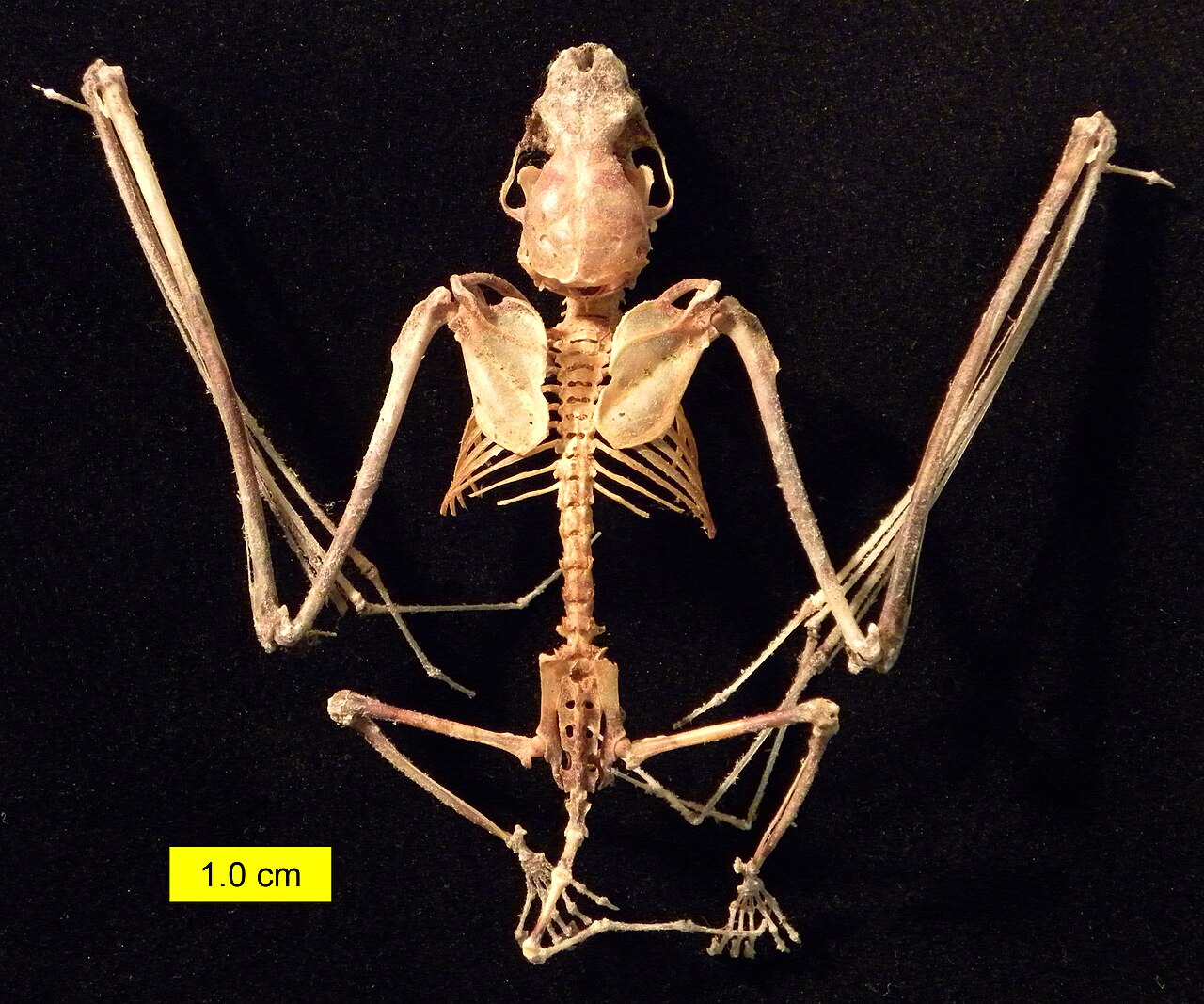
A skeleton is the rigid or semi-rigid framework that supports the body of an animal and helps protect its internal organs. In general usage the term describes the whole skeletal system — all the bones, cartilage, connective tissues and their attachments that form a structural framework. The word also applies to very different biological solutions for support and protection: internal skeletons in vertebrates, external hard shells in many invertebrates, and fluid-filled hydrostatic systems in soft-bodied animals. For a concise definition see contextual note and for organ protection examples see organ protection.
Image gallery
8 Images





Types of skeletons
Biological skeletons fall into several broad categories that evolved independently in different lineages:
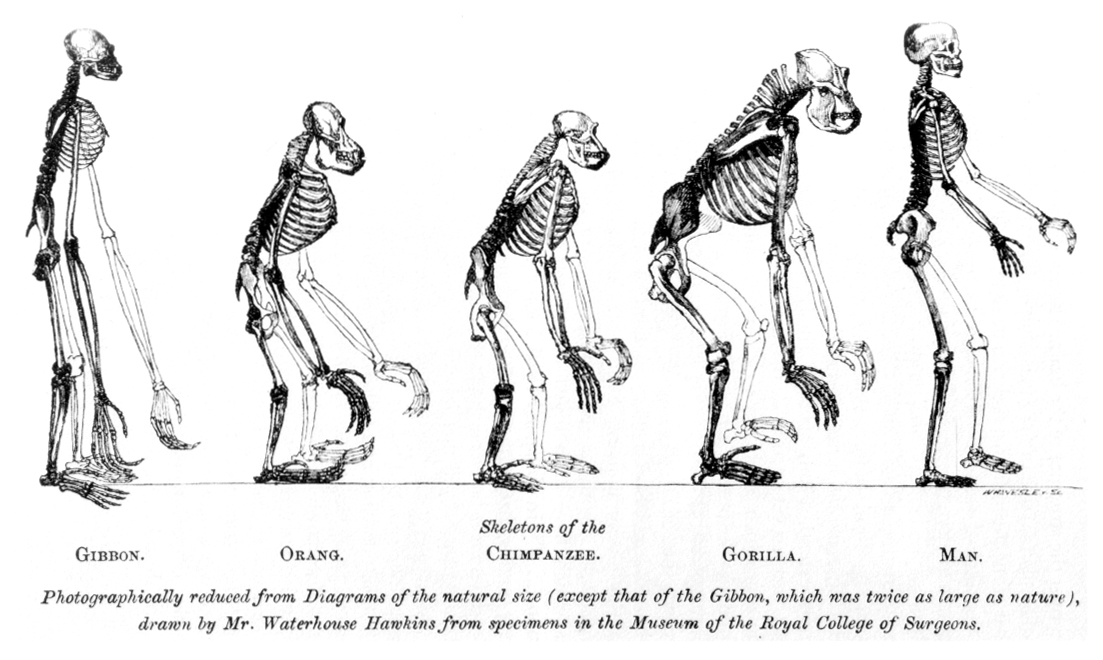
- Endoskeleton — an internal bony or cartilaginous framework, typical of vertebrates such as mammals. See general vertebrate notes at mammals overview and human specifics at human skeleton.
- Exoskeleton — a hard outer shell or cuticle that supports and protects the body of many arthropods and some molluscs.
- Hydrostatic skeleton — a fluid-filled internal cavity that provides support through pressure, used by worms, jellyfish and other soft-bodied animals.
Structure and development
In vertebrates the skeleton is primarily composed of bone and cartilage. Bone is a living tissue made of cells embedded in a mineralized matrix; cartilage is a more flexible connective tissue that often precedes bone during development or remains in joints and certain structures. Individual bones have regions such as the shaft (diaphysis), ends (epiphyses), and the marrow cavity where blood cells are produced. The cartilage, ligaments and tendons join bones and enable movement. For a basic component list see bone components and the relation to skin and soft tissues at skin and support.
Primary functions
The skeleton performs several essential roles for an animal's survival and mobility. Major functions include:
- Support: maintaining body shape and posture by providing a firm framework.
- Protection: shielding delicate organs — for example the skull encloses the brain and the rib cage protects the heart and lungs; see related notes on organ sheltering at internal organ protection, brain and heart.
- Movement: bones act as levers against which muscles pull, enabling locomotion and manipulation.
- Mineral storage and metabolic roles: bone stores calcium and phosphorus and participates in mineral homeostasis.
- Blood cell formation: bone marrow produces red and white blood cells and platelets.
The human skeleton and health
An adult human typically has 206 named bones arranged into the axial skeleton (skull, vertebral column, ribs) and the appendicular skeleton (limbs and girdles). Bones develop through ossification, a process that transforms cartilage or fibrous tissue into mineralized bone during growth. Common clinical issues affecting the skeleton include fractures, degenerative joint disease (osteoarthritis), inflammatory conditions (arthritis), and metabolic bone disorders such as osteoporosis. Proper nutrition, exercise and medical care maintain skeletal health.
Notable distinctions and facts
Different animal groups demonstrate the diversity of skeletal solutions: insects rely on exoskeletons for muscle attachment and defense, while many marine animals depend on buoyancy and hydrostatic pressure instead of rigid bones. The evolution of internal skeletons was a key step in vertebrate diversification, enabling larger body sizes and more complex locomotion. For further background and introductory resources see muscle interactions, human overview, and additional references at general resource.
Questions and answers
Q: What is a skeleton?
A: A skeleton is the hard structure that protects the internal organs of a living thing.
Q: Can skeletons be inside and outside the body?
A: Yes, skeletons can be inside the body or outside the body.
Q: What is the skeletal system in mammals made of?
A: The skeletal system in mammals, which includes humans, is made of bones.
Q: What is the function of the skeletal system?
A: The skeletal system supports the skin, muscle, and tissue, and protects important internal organs like the brain, heart, and lungs.
Q: What happens to the body if humans did not have a skeleton?
A: If humans did not have a skeleton, then the body would be flat as the skeleton gives the body its frame.
Q: Is the skeletal system visible outside the body?
A: No, the skeletal system is under the skin, the muscle, and the tissue of the body.
Q: What is the overall role of the skeleton?
A: The overall role of the skeleton is to provide support and protection for the body's internal organs.
Related articles
Author
AlegsaOnline.com Skeleton: structure, types, functions and the human skeletal system Leandro Alegsa
URL: https://en.alegsaonline.com/art/90893