
Livestock: domestic animals raised for food, fiber, and labor
Livestock are domesticated animals kept by humans for food, fiber, work, and other products. This article explains types, history, husbandry systems, uses, and environmental and welfare considerations.
Overview
Livestock are animals kept by people to produce food, materials, or work. Common roles include providing meat, milk, leather, wool and eggs, and serving as draft animals. The term typically refers to domestic animals maintained in agricultural systems rather than wild fauna. Livestock are a central component of many farming systems and an important link between plant production and human consumption.
Image gallery
10 Images





Typical species and products
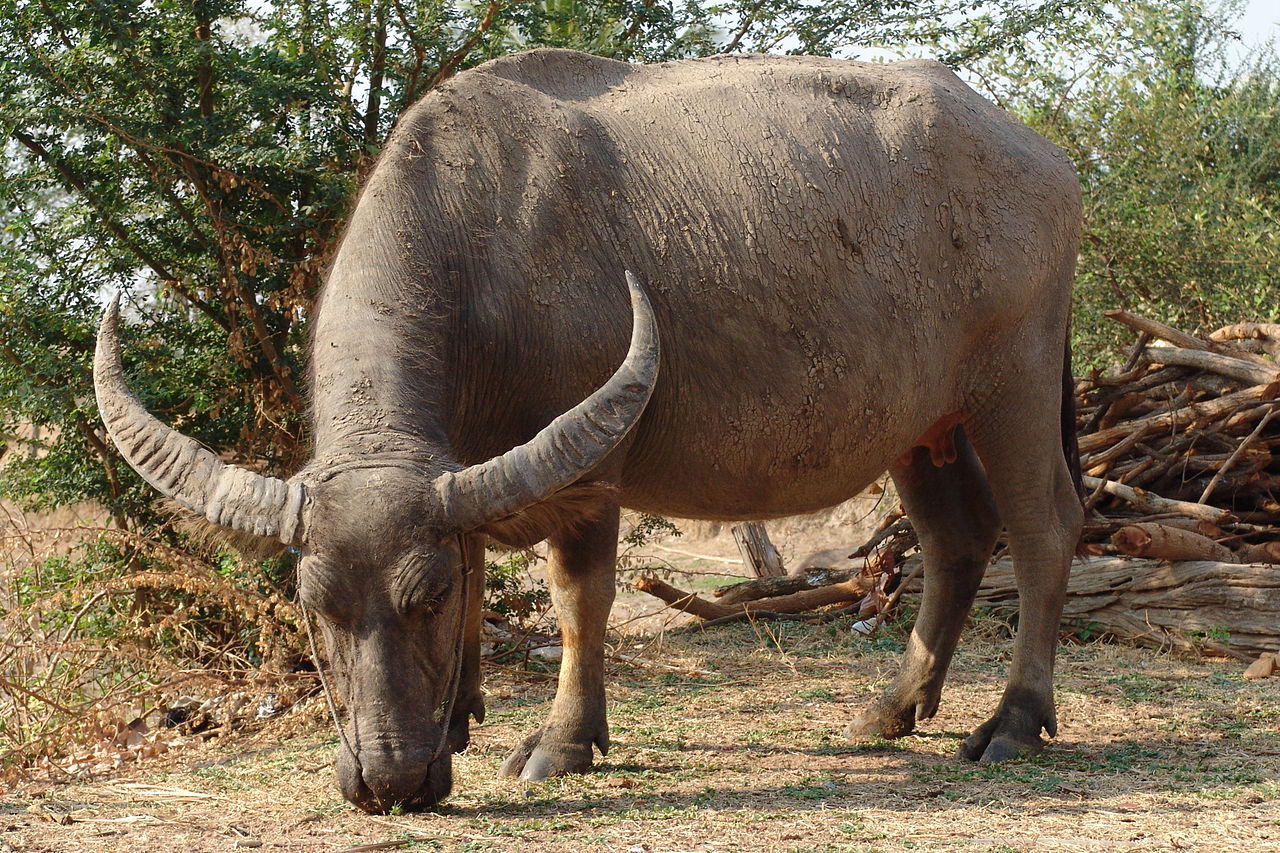
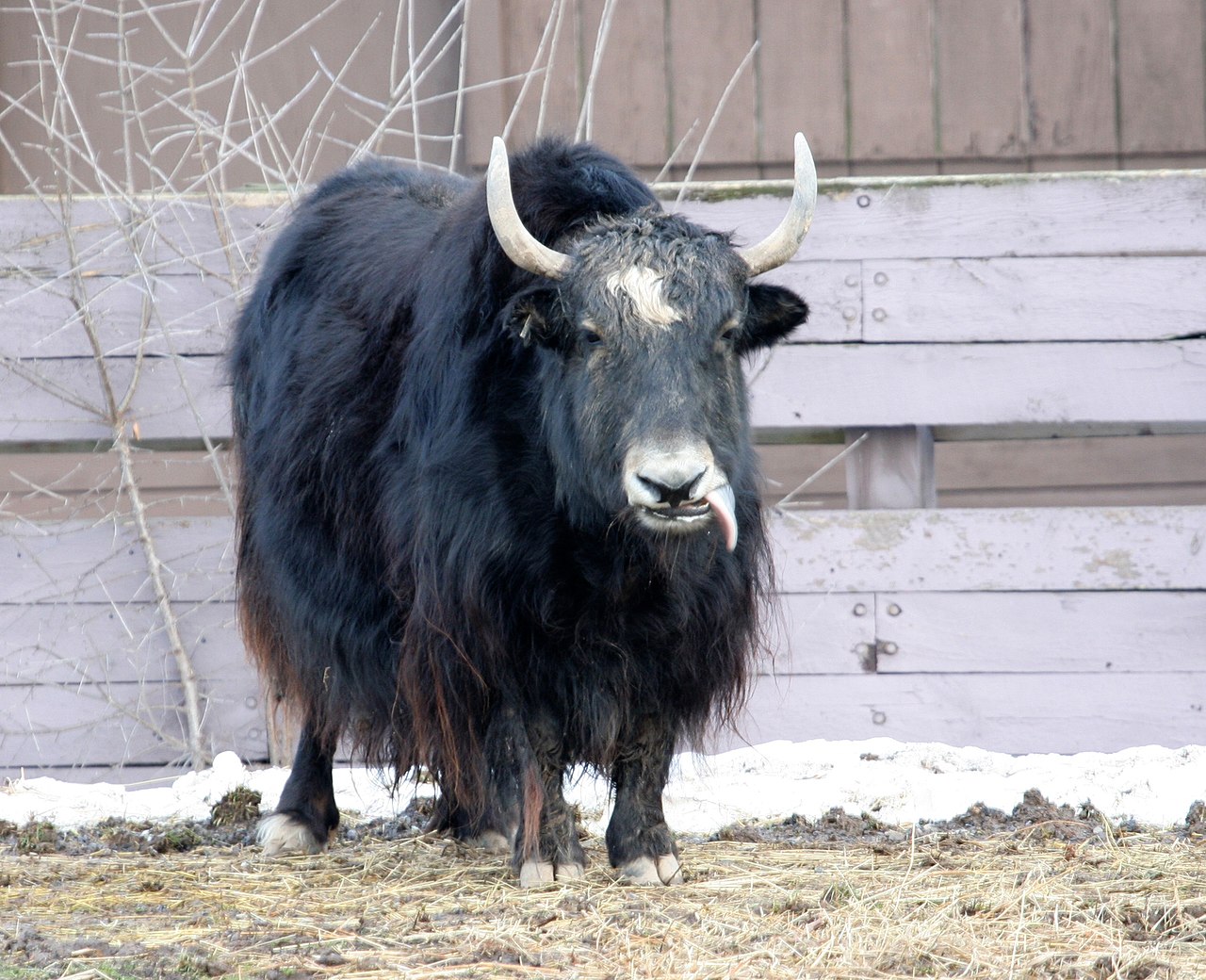
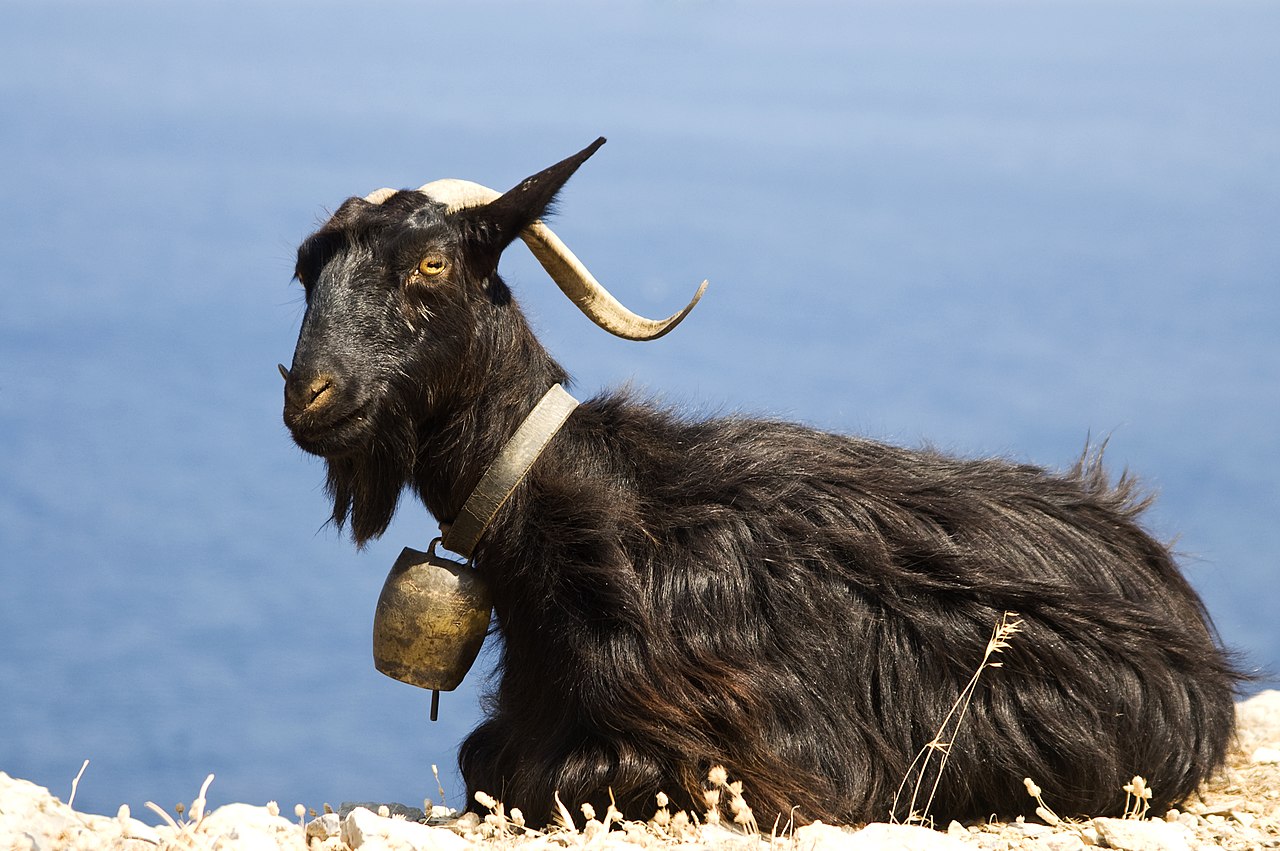
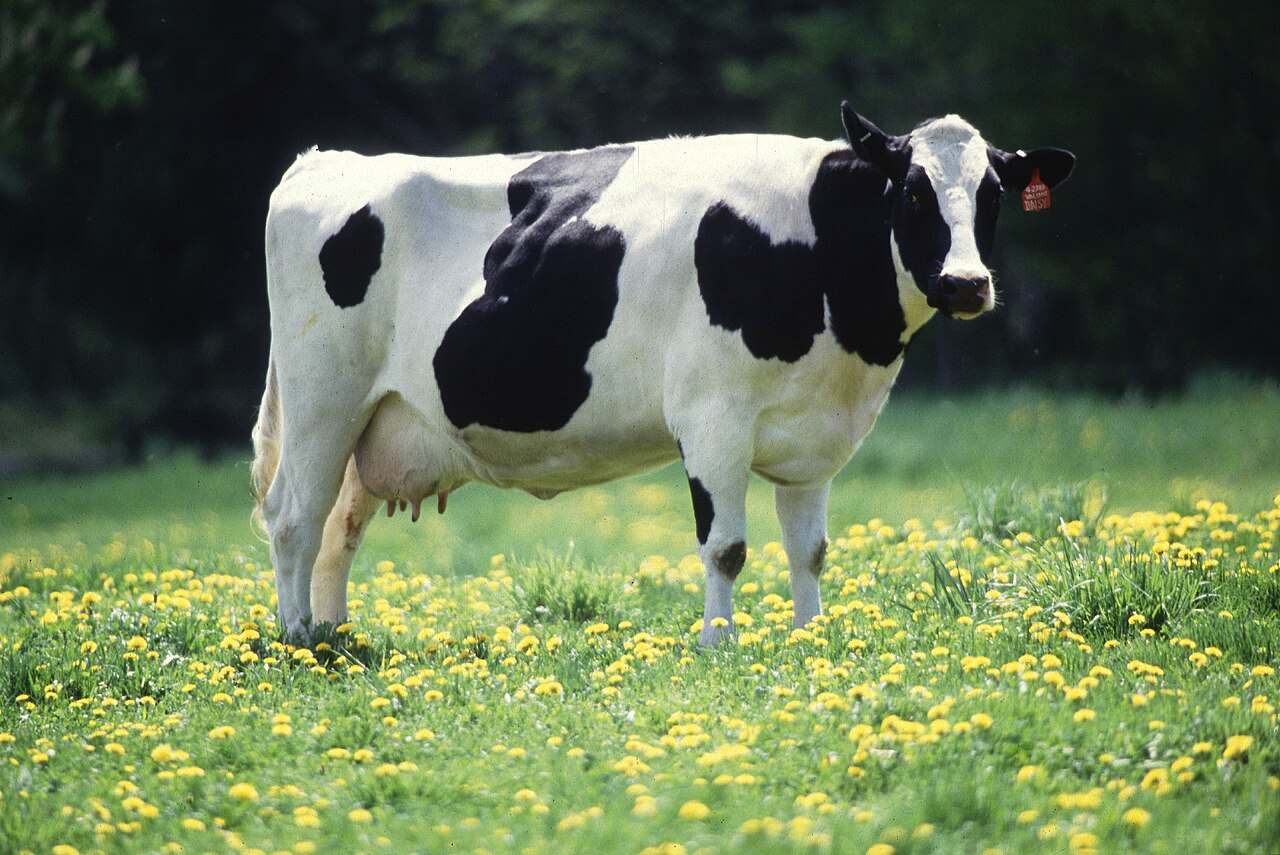
Species classically regarded as livestock include cattle, pigs, sheep, goats, and chickens, but also working animals such as horses, camels, llamas and water buffalo. Different species supply different outputs: poultry produce eggs, ruminants supply milk and meat, sheep yield wool, and large mammals can provide transport or pull vehicles and equipment in many regions.
Animal husbandry and management
The practices used to keep, breed and care for these animals are grouped under animal husbandry. Husbandry covers feeding, housing, breeding, disease control and humane slaughter. Systems range from small-scale mixed farms and pastoralism to highly mechanized operations; choices depend on climate, available land, cultural preferences and market demand. Humans throughout history have adapted husbandry methods to local conditions and resources (humans and their livestock often developed together).
History and cultural importance
Domestication of livestock was a pivotal development in human societies and contributed to settled agriculture. Different cultures have unique breeding traditions, rituals and uses for animals, and livestock frequently play symbolic or economic roles beyond mere production. Across the world, livestock contribute to the local and national economy, food security and social identities.
Production systems and modern trends
Contemporary production ranges from low-input grazing and family flocks to intensive, high-yield systems. Intensive animal farming, sometimes called factory farming, concentrates many animals in controlled environments to increase output and lower per-unit cost; it is widespread in industrialized regions. While intensive methods raise productivity, they also bring concerns about animal welfare, effects on the environment, and impacts on public health. These issues include disease transmission, antimicrobial use, greenhouse gas emissions and land-use change.
Challenges, distinctions and future directions
Key contemporary debates focus on balancing productivity with welfare and sustainability. Distinctions between extensive grazing, pastoral systems and intensive confinement affect biodiversity, nutrient cycles and rural livelihoods. Policy responses and innovation aim to reduce negative externalities through improved biosecurity, breeding for efficiency, better manure management, alternative feeds, and shifts in consumption patterns. Livestock will likely remain important globally, but their roles and management continue to evolve as societies weigh economic needs, cultural values and environmental limits.
Further reading and resources
- Definitions and common terms: domestic animals, animals
- Primary products: meat, milk and leather
- Husbandry: animal husbandry
- Examples of species: cattle, goats, chickens, horses, water buffalo
- Social and economic context: transport and draft, human history, cultural practices, economic role
- Contemporary issues: intensive farming, environmental impacts (environment), and public health)
Related articles
Author
AlegsaOnline.com Livestock: domestic animals raised for food, fiber, and labor Leandro Alegsa
URL: https://en.alegsaonline.com/art/58613