
Intensive farming (intensive agriculture)
Intensive farming is a high-input agricultural approach that increases output per land unit using machinery, chemicals, and management; it raises productivity and also environmental, health, and welfare concerns.
Overview
Intensive farming, also called intensive agriculture, refers to systems that concentrate capital, labour and technology on a given area to maximise yield per unit of land. Producers pursuing intensive methods invest in machinery, irrigation, seed selection and chemical inputs in order to raise production of crops or livestock. This model contrasts with low-input or traditional approaches that rely more on extensive land use, natural regeneration and lower input volumes. For a concise primer on agricultural systems, see basic agriculture concepts.
Image gallery
9 Images


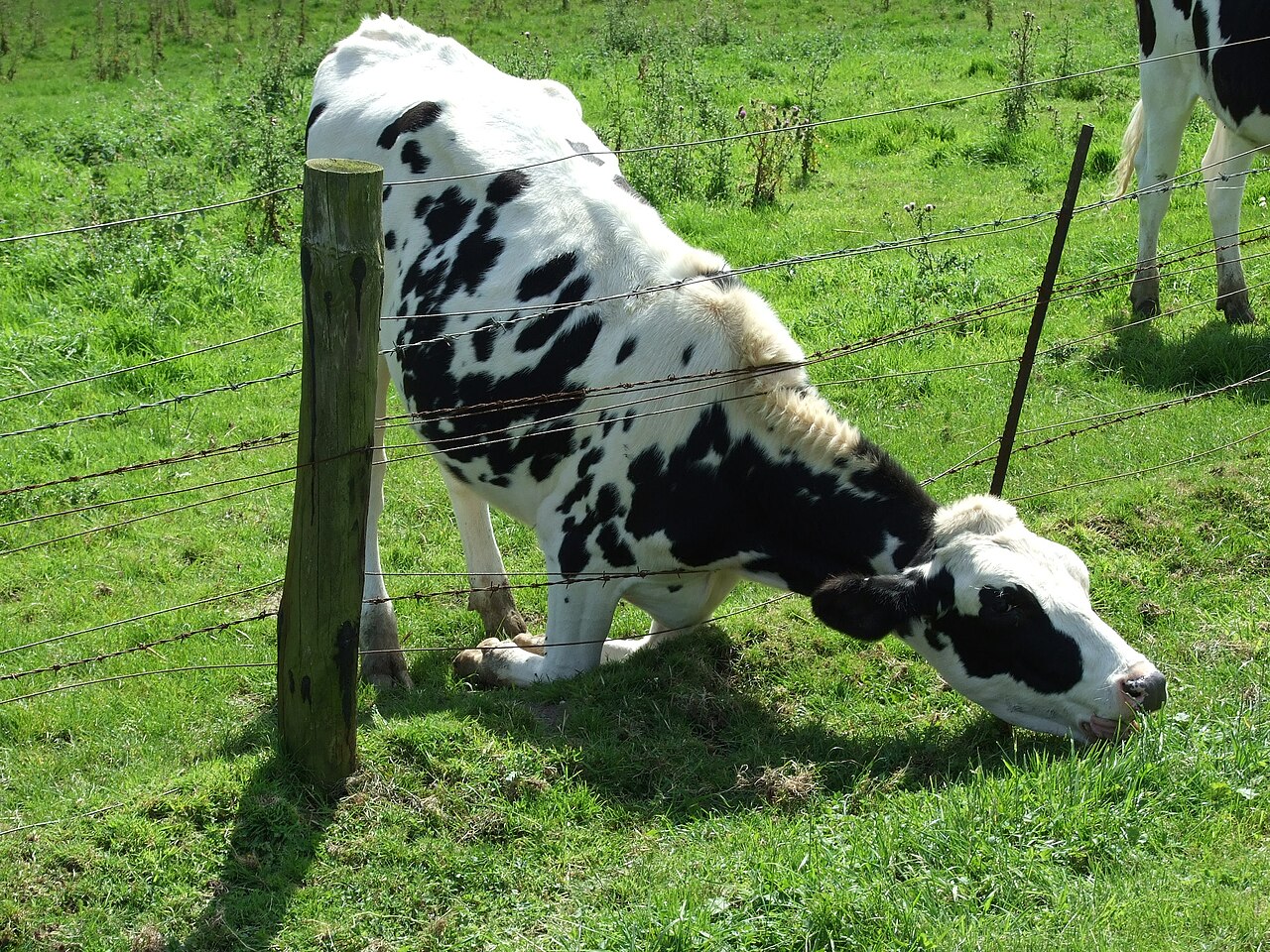

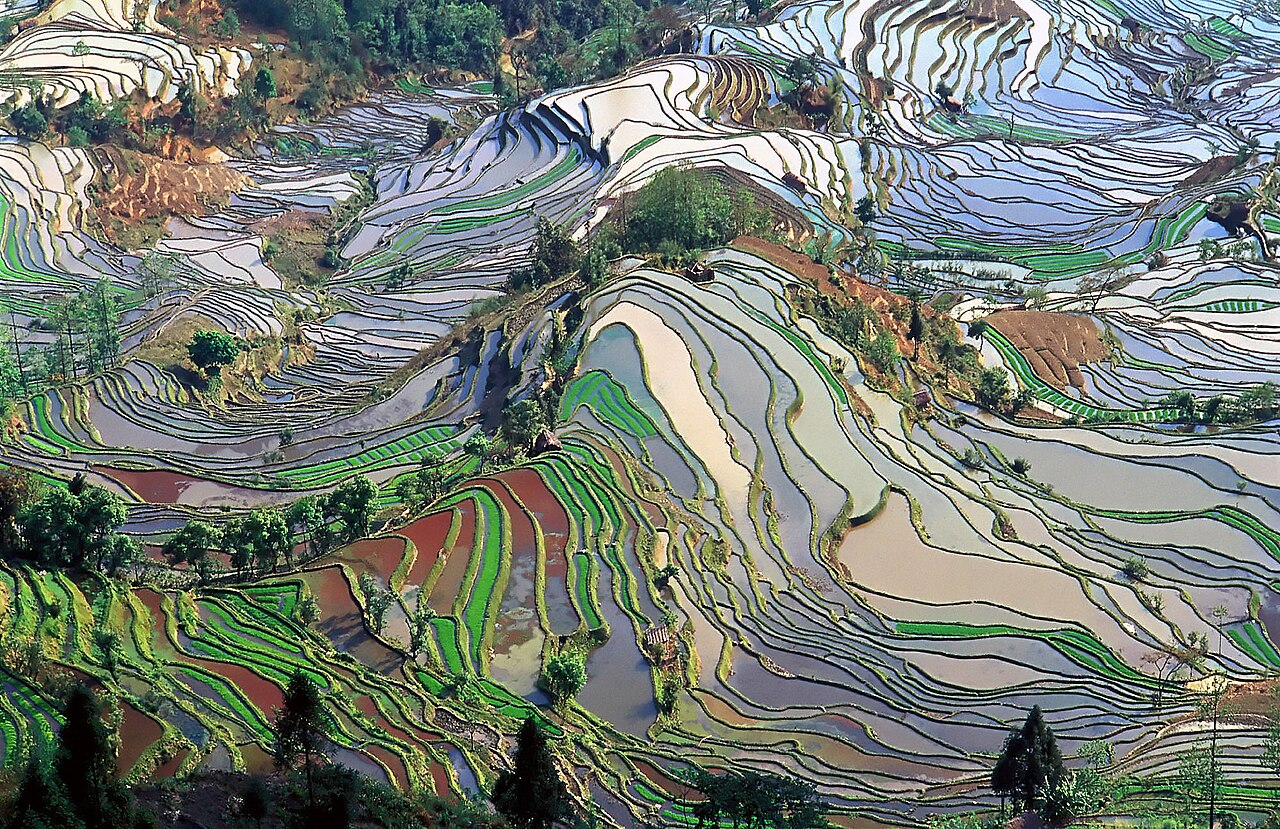


Key characteristics and common practices
Typical features of intensive farming include high stocking densities for animals, repeated cropping or monoculture of fields, mechanised cultivation and large-scale use of external inputs. Common practices are listed below:
- Heavy reliance on mechanical equipment for tilling, planting and harvesting, which can reduce manual labour needs but raises capital costs; see machinery resources at farm mechanisation.
- Application of synthetic fertilizers and soil amendments to boost plant nutrition; for more on nutrient management consult fertilizer guidance.
- Use of pesticides and herbicides to control pests and weeds; general pesticide information is available at pesticide use.
- Administration of medicines, growth promoters and specific feeds in intensive livestock operations; read about animal pharmaceuticals at veterinary medications and concerns at livestock management.
- Adoption of improved seed varieties, irrigation systems and plant growth regulators to increase per-area output; see crop inputs at crop production.
History and development
Intensification has evolved over centuries, accelerating with industrialisation and scientific advances in the 19th and 20th centuries. Developments such as chemical fertilisers, selective breeding, mechanisation and later synthetic pesticides allowed a dramatic increase in yields on limited land. Policy, market demand and population pressures have frequently driven intensification decisions; for historical perspectives consult agricultural policy and economy summaries at agricultural economics.
Environmental, health and welfare implications
While intensive systems can produce more food per hectare, they also carry environmental and social trade-offs. Repeated tillage and monoculture can increase soil erosion and reduce biodiversity. High input use contributes to nutrient runoff and contamination of waterways, issues discussed under soil and water impacts. Intensive animal operations often raise concerns about animal welfare, disease transmission and antimicrobial resistance due to concentrated housing and routine use of medicines; see related material at livestock health.
Economic role and common criticisms
Economically, intensive farming can lower unit production costs and raise food availability in many regions, making it a widely adopted model for commercial agriculture. Critics point to hidden costs not always reflected in market prices, including ecosystem degradation, greenhouse gas emissions and public health risks. Debates also focus on equity, as mechanisation and consolidation can reduce rural employment and change farm ownership patterns; for socioeconomic analyses see labour and rural change and yield and productivity.
Alternatives and mitigation strategies
To address the downsides of intensive systems, farmers and policymakers promote integrated approaches: precision agriculture to apply inputs more efficiently, integrated pest management to reduce pesticide reliance, agroecological practices to support biodiversity, and improved welfare standards in livestock systems. Transition options and case studies are available via resources on sustainable transitions at sustainable agriculture and technology guides at crop innovations.
Notable fact: Intensive farming is not a single fixed technique but a spectrum of practices and technologies; its specific forms and impacts vary widely by region, crop and animal system. For further specialised topics and technical references consult the linked resources above and expert reviews at productivity studies and input management, or policy summaries at environmental reports.
Questions and answers
Q: What is intensive farming?
A: Intensive farming or intensive agriculture is a kind of farming where a lot of money and labour are used to increase the yield that can be obtained per area of land. The use of large amounts of pesticides for crops, and of medication for animal livestocks is common. This is a contrast to traditional agriculture, which does not get as much output per area.
Q: How does intensive farming differ from traditional agriculture?
A: Intensive farming involves using more money and labor in order to increase the yield that can be obtained per area of land, while traditional agriculture does not get as much output per area. Additionally, intensive farming often involves the use of mechanical ploughing, chemical fertilizers, plant growth regulators or pesticides.
Q: Why is intensive farming done?
A: Intensive farming has often been done as a response to rising population levels in order to produce more food with less land.
Q: What are some criticisms against intensive farming?
A: Intensive animal farming leads to increased pollution and health issues due to low standards of animal welfare. Additionally, it has been associated with an increase in environmental pollution by increasing erosion and poisoning water with agricultural chemicals.
Q: What are some modern day forms of intensive crop based agriculture?
A: Modern day forms of intensive crop based agriculture involve the use of mechanical ploughing, chemical fertilizers, plant growth regulators or pesticides.
Q: What happens when agriculture is intensified?
A: When agriculture is intensified, this means that the amount of work needed goes up until the worker is replaced by a machine; at that point there will only need to be a few workers operating machines instead.
Related articles
Author
AlegsaOnline.com Intensive farming (intensive agriculture) Leandro Alegsa
URL: https://en.alegsaonline.com/art/47561
Sources
- ec.europa.eu : The Welfare of Intensively Kept Pigs
- cbc.ca : Commissioner points to factory farming as source of contamination
- environment-agency.gov.uk : Rebuilding Agriculture - EPA of UK