
Llama (Lama glama): South American pack animal and camelid
The llama is a domesticated South American camelid used for pack transport, fiber, meat and guarding; native to Andean regions and distinct from alpacas, vicuñas, and guanacos.
The llama (Lama glama) is a domesticated mammal in the Camelidae family. Native to South America, it evolved in the high plateaus and valleys of the Andes Mountains and has been bred for centuries in countries such as Peru and Ecuador. Llamas are valued for their versatility, calm temperament and ability to carry loads across rough terrain.
Image gallery
10 Images


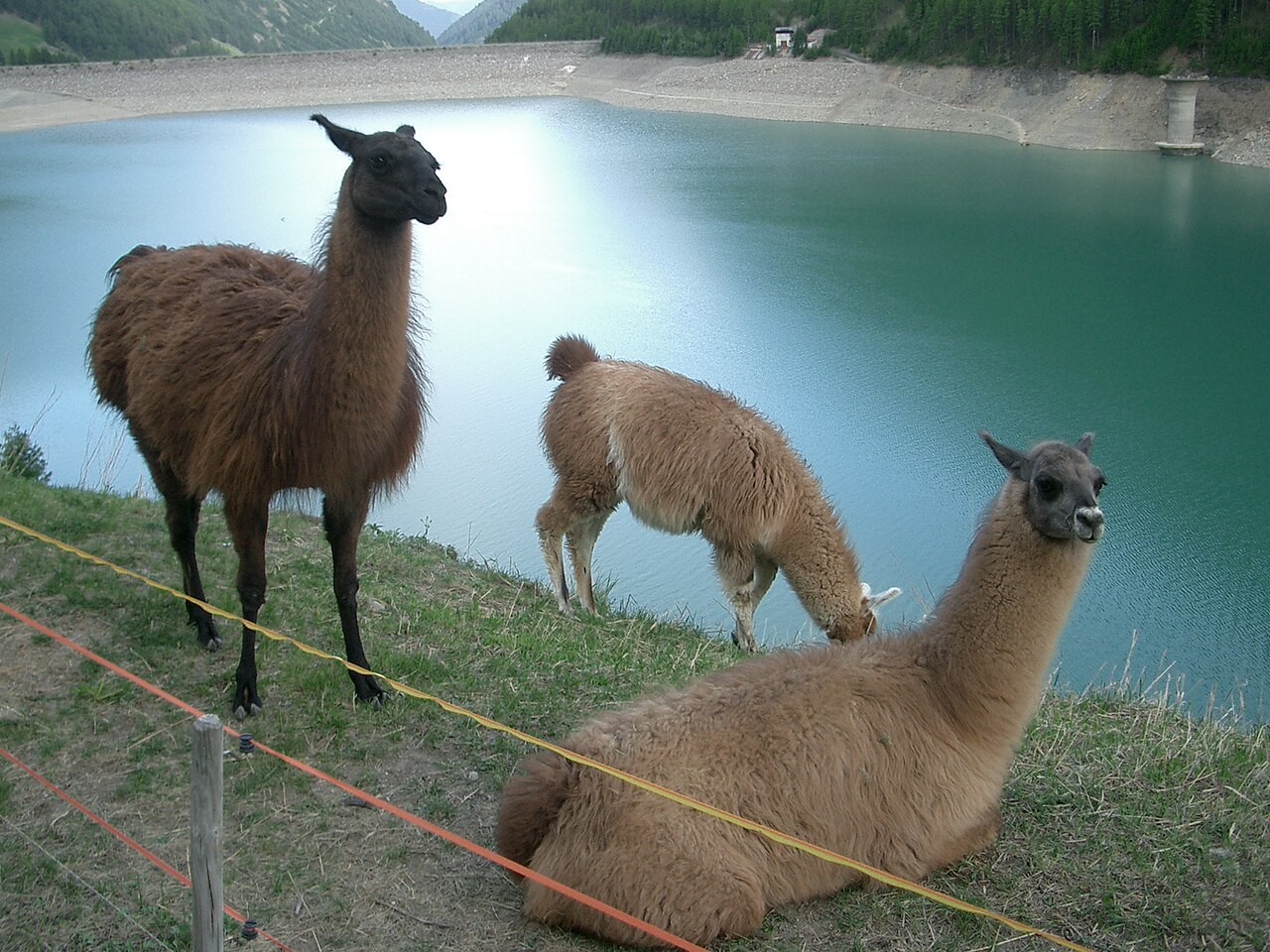

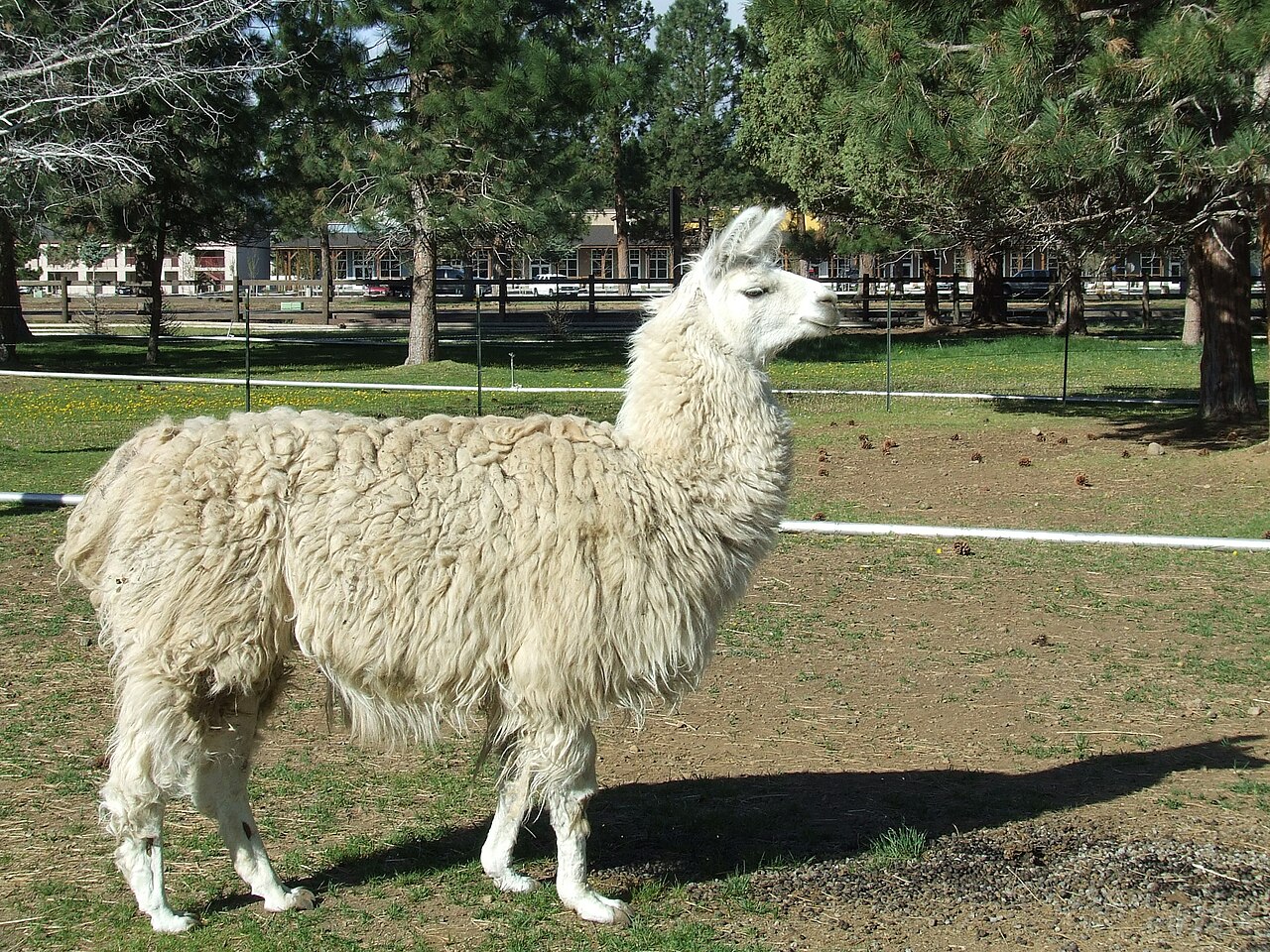


Physical characteristics
Llamas are long-necked, relatively large camelids without the humps found on camels. They have padded feet with two toes, a woolly coat that varies from short and coarse to long and silky, and large, banana-shaped ears. Their dentition and digestive system adapt them to a herbivorous diet of grasses and shrubs.
Behavior and reproduction
Llamas are social herd animals, often forming stable family groups. They communicate by a variety of vocalizations, body postures and subtle facial expressions. When alarmed or irritated, they can spit a mixture of saliva and stomach contents toward other llamas or predators. Llamas have a relatively long reproductive cycle and are raised with care for mother and young.
Uses and cultural importance
Historically and today, llamas serve multiple roles: as pack animals, sources of fiber for textiles, and for meat and hides in some communities. Their wool is sheared and spun into yarn for clothing and blankets; certain breeds are prized for softer fiber. Llamas also act as guard animals for flocks of sheep or alpacas because of their alertness.
Species distinctions and notable facts
- Llamas belong to a group commonly called South American camelids, which also includes alpacas, vicuñas and guanacos. They are larger and more heavily built than alpacas and were primarily bred as beasts of burden.
- The English word "llama" derives from Spanish, itself taken from indigenous Quechua language terms for the animal.
- Although once concentrated in the Andes, llamas are now kept worldwide by hobbyists, farmers and conservation programs for agricultural and educational purposes.
Related articles
Author
AlegsaOnline.com Llama (Lama glama): South American pack animal and camelid Leandro Alegsa
URL: https://en.alegsaonline.com/art/58678