
Loggerhead sea turtle (Caretta caretta)
A widely distributed marine turtle known for its large head and strong jaws. Caretta caretta nests on warm coastal beaches and faces threats from fishing, habitat loss, and climate change.
Overview
The loggerhead sea turtle, Caretta caretta, is a marine reptile often called the loggerhead. It is a type of turtle that spends its life in the sea and belongs to the family Cheloniidae. Loggerheads are native to temperate and subtropical oceans worldwide and are well known for long-distance movements between feeding grounds and nesting beaches.
Image gallery
10 Images


Physical characteristics and diet
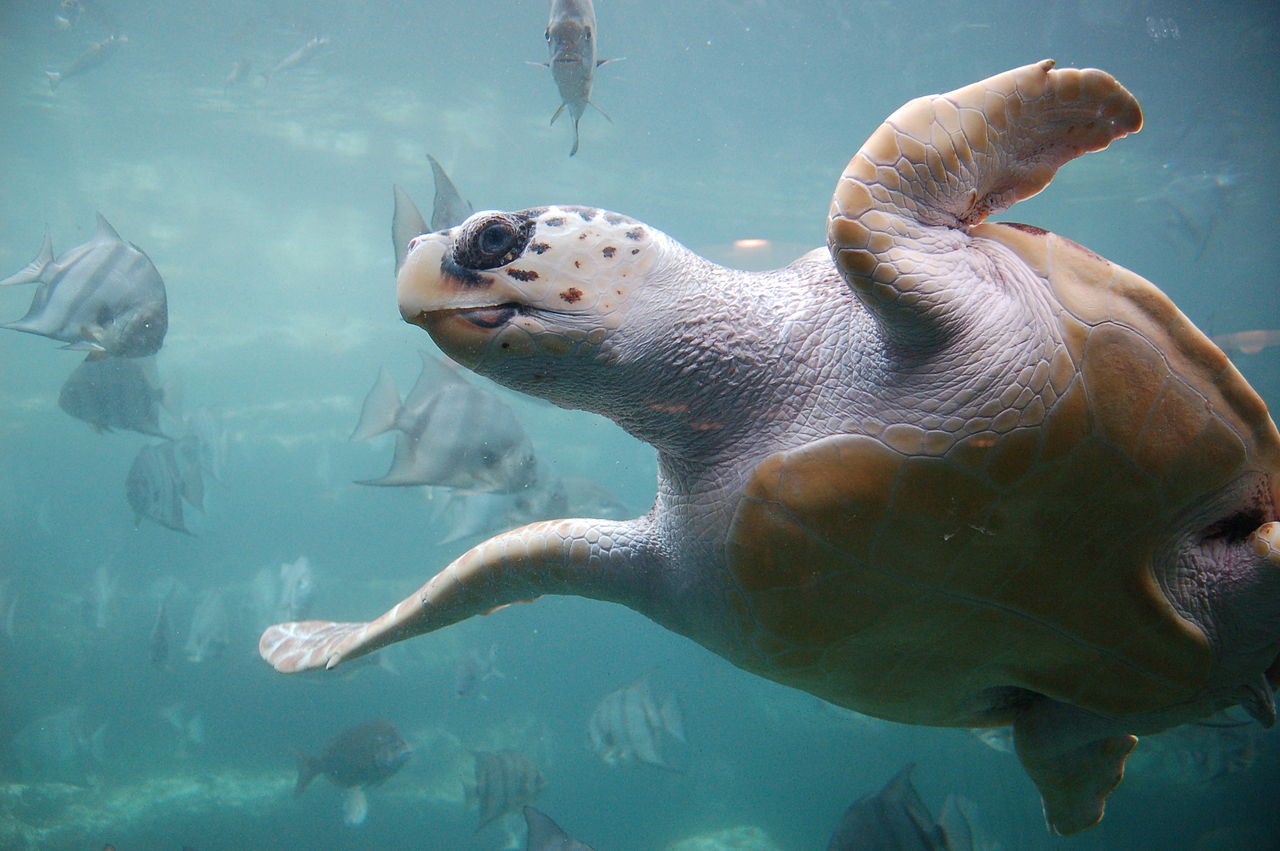
Loggerheads have broad, heavy heads and powerful jaws adapted to crush hard-shelled prey. Their carapace is typically reddish-brown while the plastron is lighter. They are opportunistic feeders: common items in their diet include crabs, mollusks, shrimp, jellyfish, and other invertebrates, along with occasional plant material. Their body shape and flippers suit a marine lifestyle but they must return to land to reproduce.
Life cycle and nesting
Females come ashore on warm, sandy beaches to lay clutches of eggs, often returning to the same beach where they hatched. Important nesting regions include coasts of the United States in North America (notably Florida), and major sites in the Asia region such as Oman. Significant nesting also occurs in Australia and around the Pacific Ocean, with additional records from Chile, Greece, and Indonesia. Hatchlings emerge at night or at dawn and move toward the ocean, guided by natural light cues.
Threats and conservation
Loggerheads face multiple human-caused threats: accidental capture on fishing gear (bycatch), coastal development that destroys nesting habitat, artificial lighting that disorients hatchlings, pollution and marine debris, and changing temperatures that can affect hatchling sex ratios. Because of these pressures, loggerheads are considered at risk in many parts of their range and are the focus of international and local conservation efforts, including beach protection, bycatch reduction measures, and research monitoring programs.
Importance and notable facts
As predators of hard-shelled invertebrates, loggerheads play a role in shaping coastal and benthic ecosystems. They are migratory, capable of traveling vast distances between feeding and breeding sites, and their long life span and reproductive strategy make population recovery slow. Monitoring nesting beaches and protecting migratory corridors are central to their conservation, and public education often helps reduce threats such as light pollution and marine litter.
Questions and answers
Q: What is the loggerhead sea turtle?
A: The loggerhead sea turtle, also known as Caretta caretta, is a type of sea turtle that belongs to the Cheloniidae family.
Q: Where do loggerheads live?
A: Loggerheads can be found in the seas around the world, including near the coasts of the United States (primarily in Florida), Oman in Asia, and Australia in the Pacific Ocean. They also live near other countries such as Chile, Greece, and Indonesia.
Q: What type of habitat do loggerheads prefer?
A: Loggerheads prefer to live in areas near the coast with warm waters, as well as sandy beaches where they can lay their eggs. They may also migrate to other areas during certain times of the year.
Q: What is the significance of the beaches where loggerheads lay their eggs?
A: The beaches where loggerheads lay their eggs are important because they serve as crucial nesting sites for the species. The survival of loggerhead populations is dependent on the conservation of these areas.
Q: What threats do loggerheads face in the wild?
A: Loggerheads face a number of threats in the wild, including habitat destruction, pollution, climate change, and predation. They are also often caught accidentally in fishing nets which can lead to fatal injuries or drowning.
Q: What is the conservation status of loggerheads?
A: Loggerheads are listed as a threatened species by the International Union for Conservation of Nature (IUCN). They are protected by laws in many countries, including the United States, and there are ongoing efforts to monitor and conserve their populations.
Q: How can individuals help to protect loggerheads?
A: Individuals can help to protect loggerheads by supporting conservation efforts, including supporting laws that protect sea turtles and their habitats, reducing the use of plastics and other pollutants, and practicing responsible fishing practices. People can also participate in beach cleanups to ensure that nesting sites remain safe for loggerheads to lay their eggs.
Related articles
Author
AlegsaOnline.com Loggerhead sea turtle (Caretta caretta) Leandro Alegsa
URL: https://en.alegsaonline.com/art/58859
Sources
- commons.wikimedia.org : Loggerhead Sea Turtle
- species.wikimedia.org : Caretta caretta · web.archive.org · web.archive.org
- web.archive.org : Facts
- web.archive.org : Status