
Lizard (Reptile): Overview, Characteristics, Habitat, and Conservation
Lizards are a diverse group of reptiles in the order Squamata. This article outlines their traits, distribution, behavior, notable species, and conservation concerns.
Overview
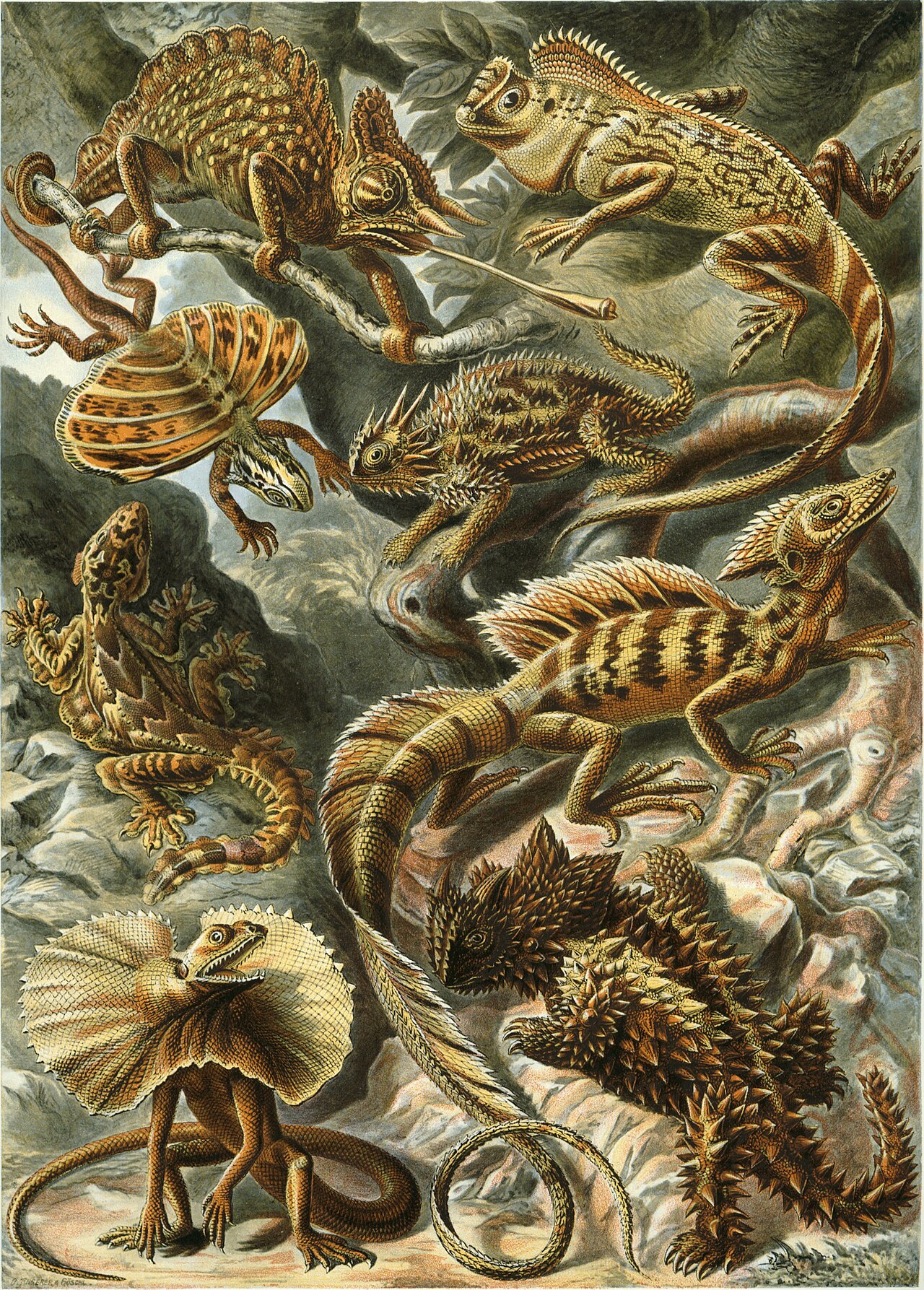
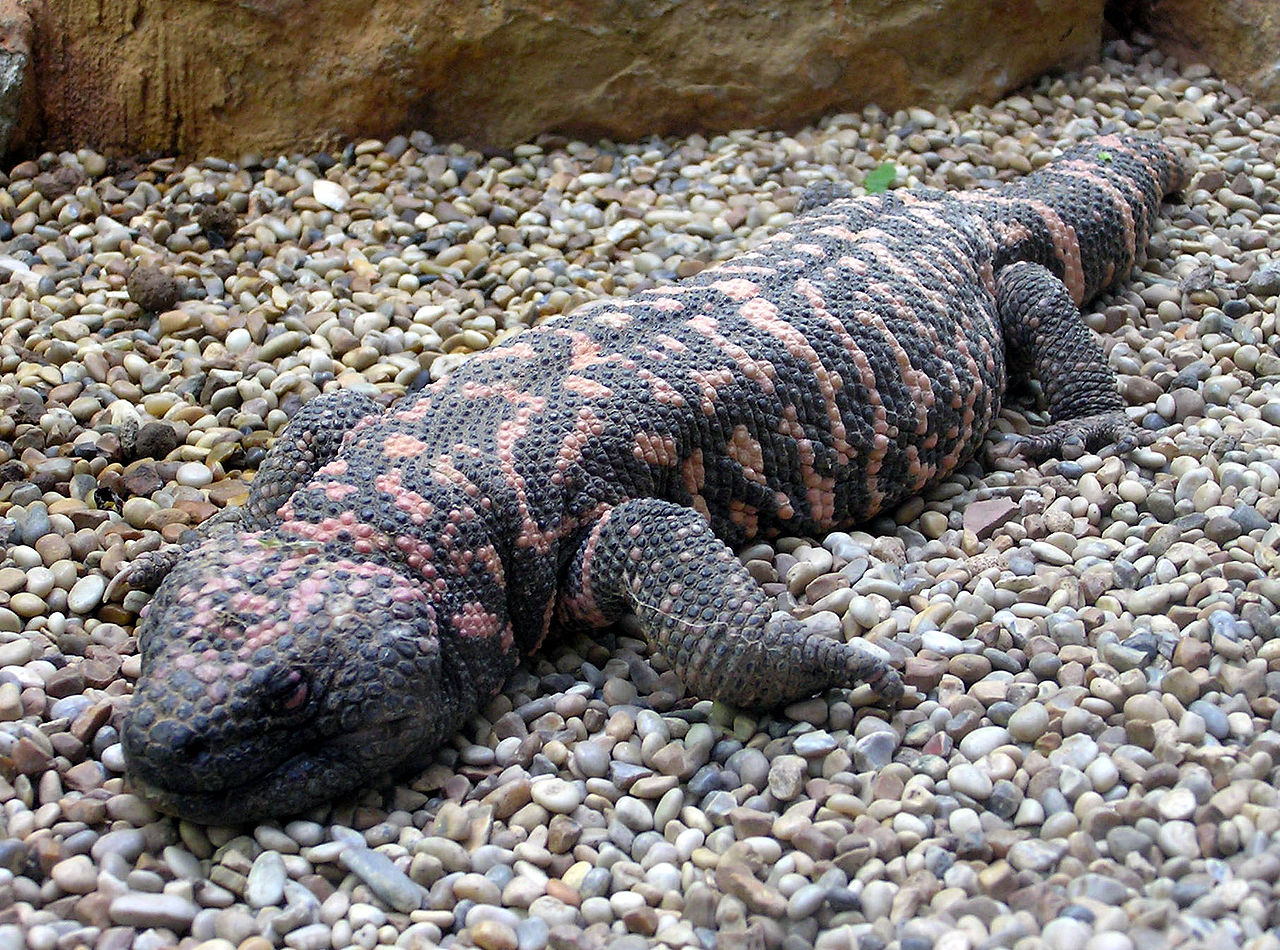
Lizards are a varied group of reptiles in the order Squamata, which they share with snakes. They are represented by thousands of species and a wide range of forms, from small, nocturnal geckos to large, diurnal monitors. Basic reptilian features — scales, cold-blooded physiology and oviparous or viviparous reproduction — are common, but individual species show many specialized adaptations.
Image gallery
10 Images




Key characteristics
Common anatomical traits include overlapping scales, a tail that may be shed to escape predators, and a skull with movable quadrate bones that allow varied jaw movement. Limb development varies: many species have well-developed legs, while some are nearly limbless. Size ranges dramatically; for example, tiny geckos can be only a few centimetres long, while the Komodo dragon is among the largest living lizards.
Distribution and habitat
There are about 6,000 species of lizards occupying most terrestrial habitats worldwide. They occur on every continent except Antarctica and are largely absent from the coldest regions (cold climates). Many species live on islands and remote archipelagos (oceanic island chains), and a few have adapted to unusual niches — for example, the marine iguana feeds in the sea in the Galápagos.
Behavior, diet and ecology
Lizard diets range from strict insectivory to omnivory and herbivory; larger monitors and some skinks are active predators. Activity patterns include diurnal, crepuscular and nocturnal species. Thermoregulation through basking is widespread, and many species display territorial behavior, complex courtship displays, or color change for camouflage and communication. Tail autotomy and regeneration are common defensive strategies.
Human interactions and conservation
Lizards have cultural, ecological and economic importance: they control pest insects, appear in folklore, and are popular in the pet trade. Habitat loss, invasive species, climate change and overcollection threaten many populations. Conservation efforts range from habitat protection and captive breeding to legal protection for vulnerable species; reliable information and regional action plans are important for preserving diversity (classification and conservation resources).
Notable groups and distinctions
- Geckos and anoles: often small, agile, some with adhesive toe pads.
- Skinks: smooth-scaled, many burrowing species.
- Iguanas and agamids: primarily herbivorous or omnivorous, often tropical.
- Monitors and large predators: active hunters with advanced cognition.
For further reading or species lists consult regional guides or online databases using the links above and specialist references for conservation status and identification.
Questions and answers
Q: What are lizards?
A: Lizards are reptiles that are part of the order Squamata.
Q: How many species of lizards are there?
A: There are about 6,000 species of lizards.
Q: Where do lizards live?
A: Lizards can be found all over the world except for in cold climates. They are found on all continents except Antarctica, as well as most oceanic island chains.
Q: Are all lizards the same size?
A: No, the size of lizards varies greatly. They can range from a few inches or cm to 3 meters (9 feet) and 70 kg (150 pounds) for the Komodo dragon.
Q: Is there a type of lizard that lives in the sea?
A: Yes, the marine iguana is a type of lizard that lives in the sea.
Q: Can you name some kinds of lizards?
A: Some kinds of lizard include Geckos and the Komodo dragon.
Q: Are lizards and snakes related?
A: Yes, lizards and snakes are related and both are part of the order Squamata.
Tags
Related articles
Author
AlegsaOnline.com Lizard (Reptile): Overview, Characteristics, Habitat, and Conservation Leandro Alegsa
URL: https://en.alegsaonline.com/art/58656
Sources
- reptile-database.org : Reptile Database
- nature.com : "Early evolution of the venom system in lizards and snakes"
- venomdoc.com : PDF
- doi.org : 10.1038/nature04328
- pubmed.ncbi.nlm.nih.gov : 16292255
- doi.org : 10.1007/s00239-003-2461-2
- pubmed.ncbi.nlm.nih.gov : 12962311
- doi.org : 10.1007/s00239-003-2497-3
- pubmed.ncbi.nlm.nih.gov : 14708577
- doi.org : 10.1093/molbev/msh091
- pubmed.ncbi.nlm.nih.gov : 15014162
- webh01.ua.ac.be : webh01.ua.ac.be/funmorph/raoul/fylsyst/Vidal2009.pdf