
Lobster (Nephropidae)
Lobsters are large marine crustaceans in the family Nephropidae, important ecologically and economically. This article outlines their biology, habitat, fisheries, culinary uses, and conservation considerations.
Overview
Lobsters are large marine crustaceans that belong to the family Nephropidae, sometimes referred to as Homaridae. They are benthic animals known for a hard exoskeleton, a segmented body, and a pair of prominent front claws in many species. Lobsters are found in oceans worldwide and are both ecologically significant and widely harvested for seafood.
Image gallery
10 Images





Characteristics
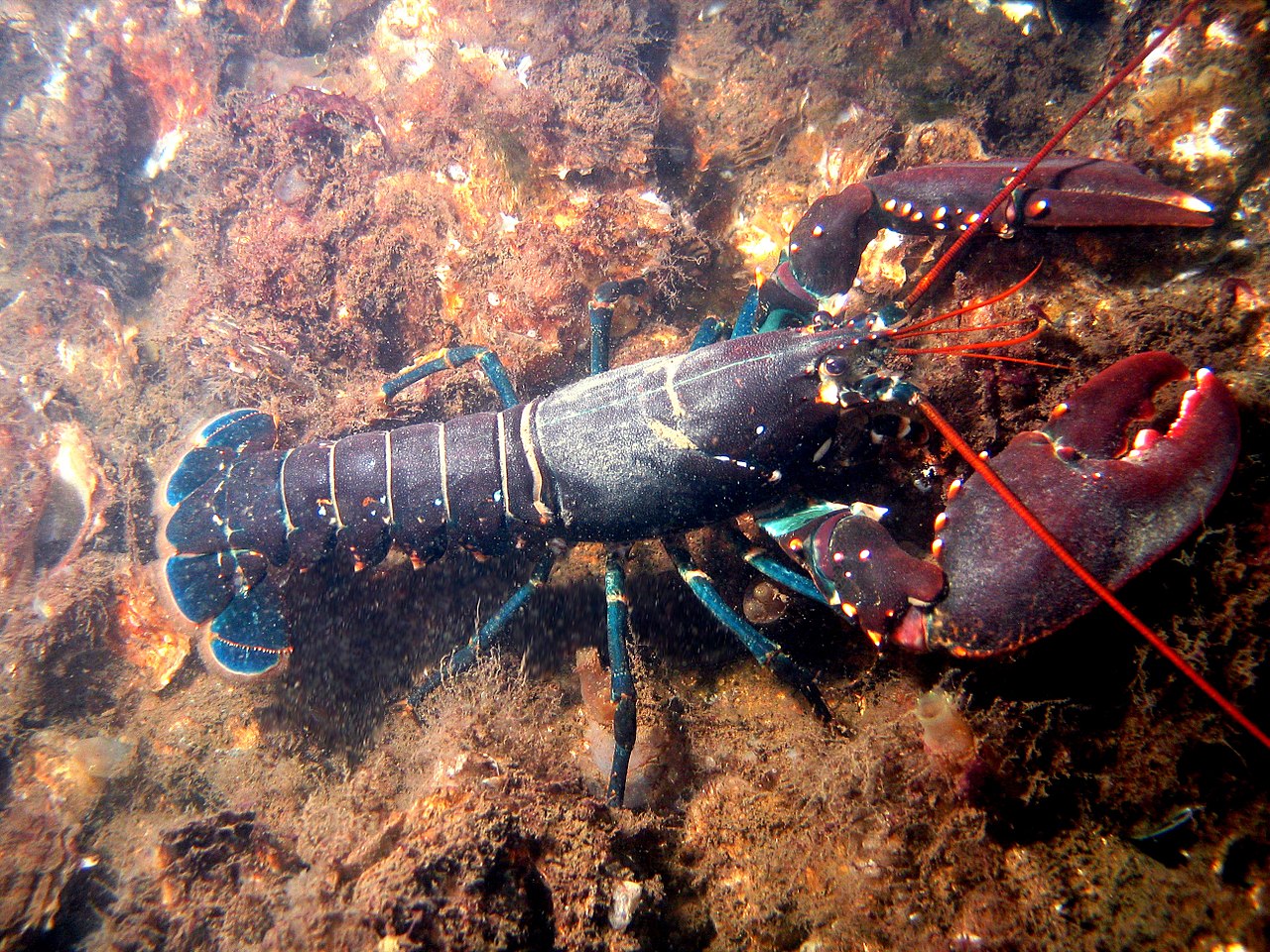
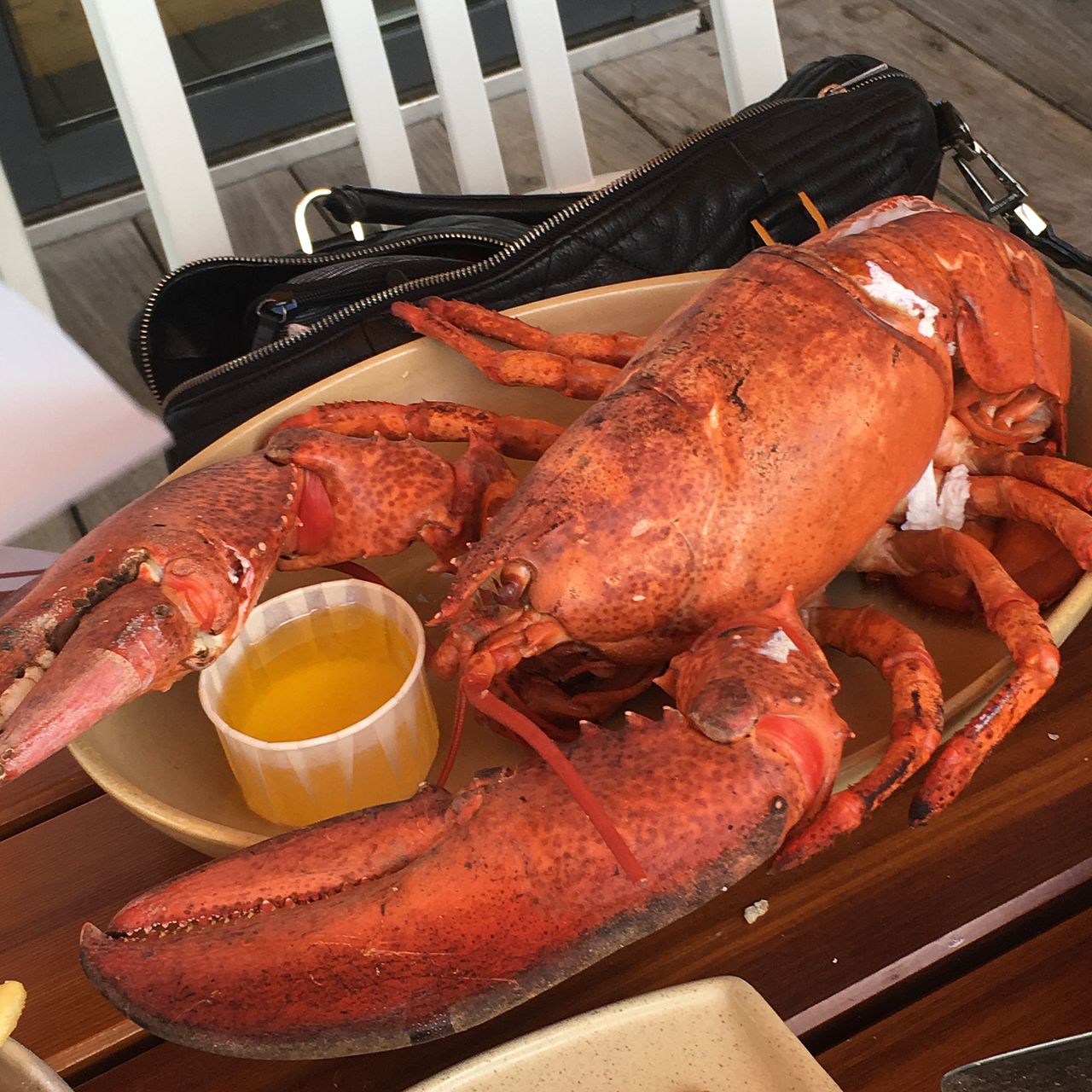
Lobsters have a head, thorax and abdomen covered by a carapace. Distinctive features include two large chelae (often a crusher and a pincher), antennae for sensing, and walking legs. They grow by molting, shedding the old shell to expand. Coloration in life is usually muted—browns, greens or blues—and turns red when cooked due to pigment changes.
- Body parts: carapace, abdomen, tail fan, claws, antennae.
- Growth: periodic molting; juveniles hide until shells harden.
- Behavior: mostly nocturnal, solitary, territorial.
Habitat, Diet and Species
Lobsters live on the sea floor among rocks, crevices and seaweed where they find shelter. Their diet is omnivorous and opportunistic, including mollusks, small fish, worms and detritus. Well-known species include the American lobster and the European lobster; other crustaceans called spiny lobsters belong to different families and lack the large front claws.
Fisheries, Uses and Cultural Importance
Lobsters are a valuable commercial catch and feature in many regional cuisines—boiled or steamed whole, in rolls, bisques and other preparations. Fisheries use traps (creels) and regulated harvests to supply markets. Because of their economic value, lobster fisheries have shaped coastal communities and seafood industries in several countries.
- Common culinary uses: whole boiled lobster, lobster roll, soups and sauces.
- Fishing methods: baited traps, regulated seasons, size limits.
Conservation and Notable Facts
Management measures such as minimum-size rules, protected egg-bearing females, and trap limits aim to sustain populations. Lobsters can live many years and display interesting biology, such as claw specialization and complex molting cycles. Distinguishing true lobsters (Nephropidae) from related groups helps in fisheries management and culinary labeling.
Related articles
Author
AlegsaOnline.com Lobster (Nephropidae) Leandro Alegsa
URL: https://en.alegsaonline.com/art/58733
Sources
- marinebio.org : "Homarus americanus, Atlantic lobster"