
Leather: production, types, uses, history and environmental issues
Leather is animal hide transformed by tanning into a long-lasting material. This article outlines how leather is made, common types, uses, care, history, and environmental and ethical considerations.
Overview
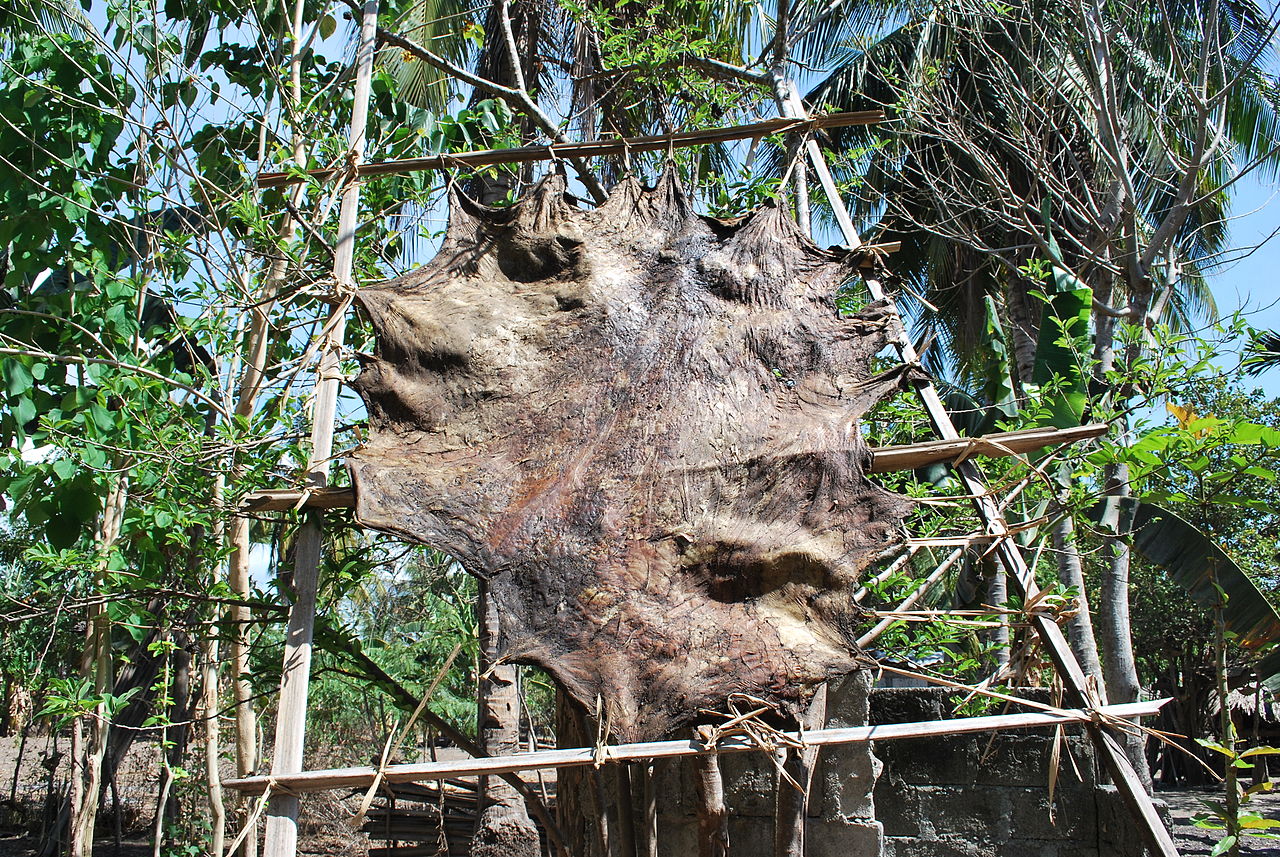
Leather is the preserved outer covering of an animal that has been processed into a flexible, durable material. Traditionally the term refers to treated skin from a wide range of animals. Processing converts raw hides into a finished material suitable for clothing, equipment and furnishings through a chemical and mechanical sequence called tanning.
Image gallery
10 Images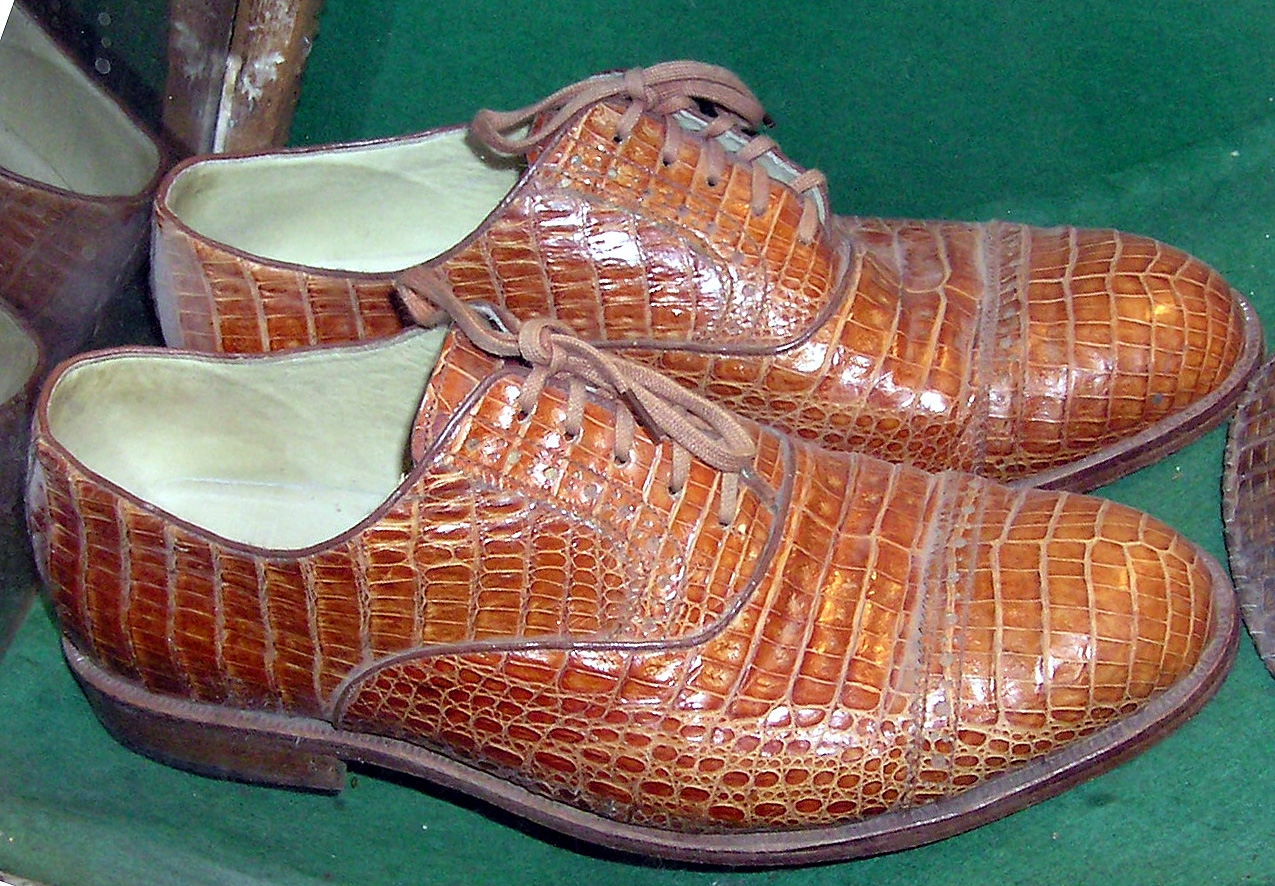






Production and tanning methods
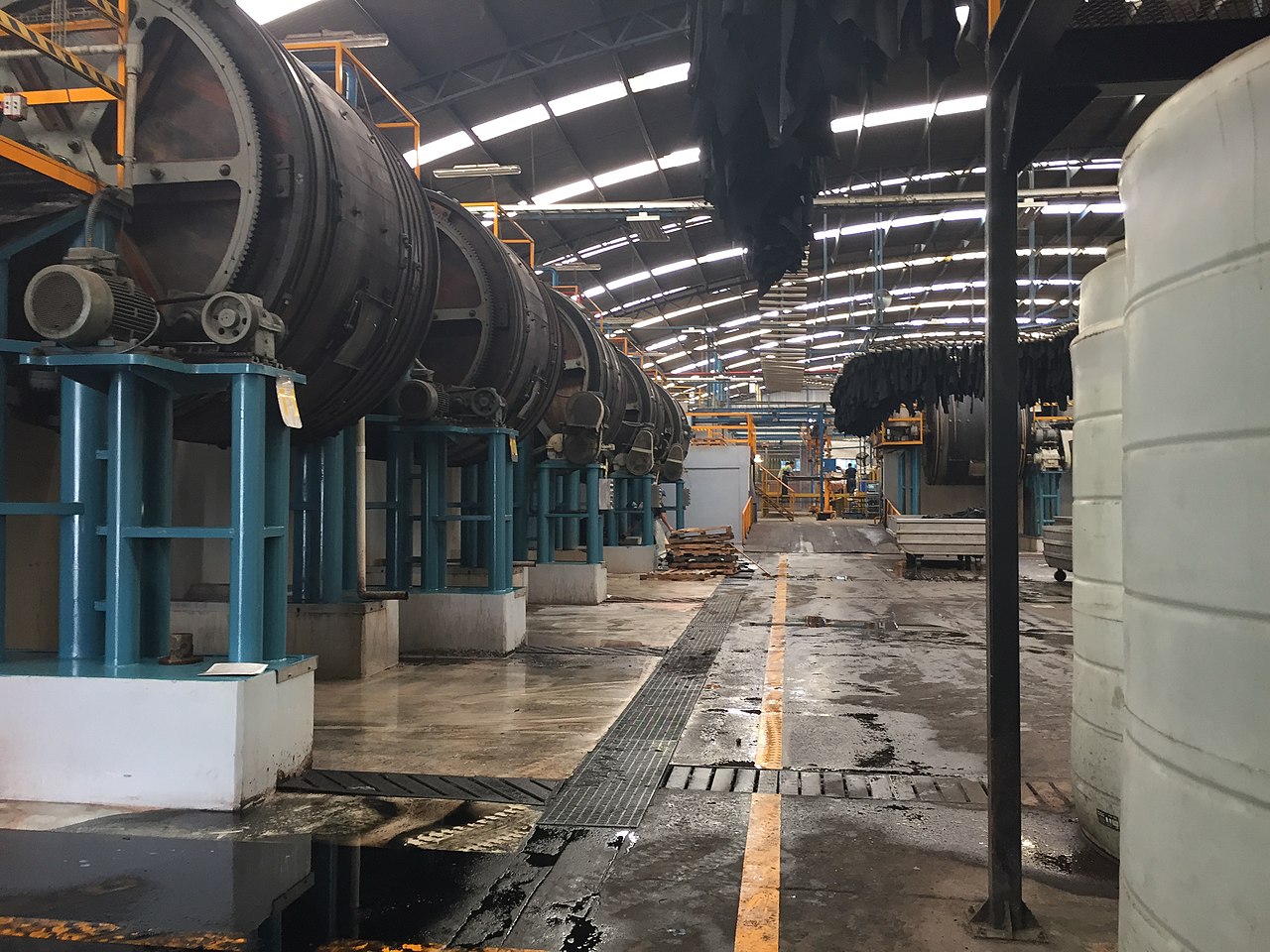
Tanning stabilizes the protein structure of the hide so it resists decomposition, becomes more tear-resistant and can accept dyes and finishes. Common commercial systems include vegetable tanning, which uses plant tannins, and chrome tanning, which uses chromium salts; each yields different handle, colorfastness and durability. After tanning, hides are split, dried, dyed, oiled and finished to produce anything from soft garment leathers to stiff upholstery grades.
Types, grades and animal sources
Most leather in global trade comes from large-herbivore skins, especially cattle. Other common sources include pigs and goats. Exotic leathers come from reptiles and birds such as snakes, alligators, crocodiles and ostriches, each valued for distinctive scale or grain patterns. Within each species, hides are graded by thickness, flaw content and finish; terms such as full-grain, top-grain, corrected-grain and split indicate different treatments and qualities.
Common uses and examples
Leather has a wide practical range. It is used to make footwear such as shoes, fashion items and luggage like bags, garments, belts, saddlery and industrial goods. Specialty uses include sporting equipment—historically many types of balls—protective workwear, and instrument components. Choice of leather depends on required strength, flexibility and appearance.
Care, maintenance and longevity
Proper care extends leather's life: cleaning with appropriate cleaners, conditioning to replace oils lost to wear, and protection from prolonged moisture and heat. Different finishes need different maintenance; aniline leathers remain softer but stain more easily, while pigmented or coated leathers are more resistant to spills and abrasion.
History and cultural significance
Leatherworking is ancient: archaeological evidence and historical records show hides were tanned and used for clothing, footwear and containers for millennia. Techniques and recipes evolved regionally, producing distinctive craft traditions. Leather has long signified durability and status in many cultures, from utility garments to ceremonial objects.
Environmental and ethical considerations
Leather production raises environmental and welfare questions. Tanning consumes water and chemicals; chrome-based systems require careful handling to avoid pollution, while vegetable tanning is slower but uses natural extracts. Ethical discussions often focus on animal welfare and the sourcing of hides. As a result, markets have expanded for certified supply chains, recycled leathers and synthetic or plant-based alternatives that aim to reduce environmental impact.
Notable distinctions
- Full-grain leather retains the hide's surface and is usually more durable and develop a patina.
- Corrected-grain leather is sanded and embossed for uniform appearance.
- Exotic leathers are regulated in many jurisdictions and often require special permits for trade.
For further reading on processing techniques, environmental standards and trade practices, consult specialized resources and industry guidance from tanneries and conservation bodies.
Related articles
Author
AlegsaOnline.com Leather: production, types, uses, history and environmental issues Leandro Alegsa
URL: https://en.alegsaonline.com/art/56804