
Animal husbandry: care, breeding and management of domesticated animals
Comprehensive overview of animal husbandry: its practices, history, common systems (dairy, beef, swine, sheep, poultry, apiculture), and key issues in modern management.
Overview
Animal husbandry is the organized care, management and selective breeding of domesticated animals for human purposes, including food, fiber, labor and companionship. The term covers a wide range of activities related to animal care and the keeping of livestock. Practices vary by culture, climate, scale and purpose, from smallholder households to industrial farms.
Image gallery
10 Images



Core practices and components
Effective husbandry combines several interdependent elements: nutrition and feeding; housing and environmental control; selective breeding and genetics; disease prevention and veterinary care; and handling and welfare. Breeding and genetic management often build on the history of domestication, selecting animals for desirable traits such as milk yield, growth rate, fleece quality or temperament. Education and youth programs, such as 4-H, help transmit skills to the next generation; activities and instruction often vary by region, for example in the United States.
Common systems and examples
Husbandry encompasses many specialty systems, each with its own methods and priorities. Examples include:
- Dairy farming — management of cows or other milk-producing species for fluid milk and dairy products.
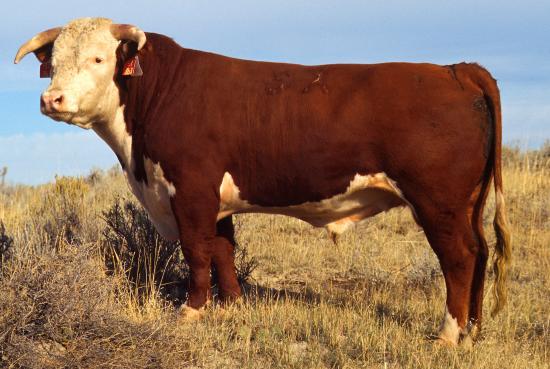
- Beef and cattle production — raising cattle for meat and related products.
- Pig (swine) farming — breeding and fattening pigs for pork.
- Mixed and crop-livestock farming — integration of plant production and animal rearing to improve resource use.
- Dog breeding and other companion-animal breeding — focused on conformation, behavior and health for working or pet roles.
- Horse breeding and management — for transport, sport and recreational uses.
- Beekeeping (apiculture) — managed colonies for honey, pollination and wax.
- Sheep husbandry — for wool, meat and landscape management; by-products include leather and lanolin.
History and development
Animal husbandry predates intensive cropping in many regions and developed alongside early human settlements. Over millennia, people selected animals that tolerated confinement, produced useful products and reproduced under human care. Scientific advances in nutrition, genetics, housing design and veterinary medicine during the 19th and 20th centuries transformed productivity and specialization, giving rise to large-scale commercial operations as well as continued small-scale and pastoral systems.
Importance, challenges and contemporary issues
Husbandry remains central to food security, rural livelihoods and cultural traditions. Modern challenges include balancing productivity with animal welfare, managing disease and zoonoses, reducing environmental impacts such as greenhouse gases and nutrient runoff, and addressing ethical and economic concerns. Innovations such as precision feeding, improved breeding programs and integrated pasture-livestock systems aim to make husbandry more sustainable and resilient.
Distinctions and notable facts
Not all animal keeping is identical: subsistence and pastoral systems prioritize resilience and mobility, while commercial systems emphasize efficiency and scale. Companion-animal husbandry focuses more on behavior and health than production traits. Understanding these distinctions helps explain why management practices vary widely between a backyard beehive, a pastoral sheepfold and an industrial dairy.
For further reading about specific techniques, species or regional practices, follow introductory resources linked here: animal care overview, livestock categories, youth programs, national contexts, apiculture basics, companion-animal breeding, mixed farming, equine care, swine production, cattle management, dairy systems, origins of domestication and animal products.
Tags
Related articles
Author
AlegsaOnline.com Animal husbandry: care, breeding and management of domesticated animals Leandro Alegsa
URL: https://en.alegsaonline.com/art/4268
Sources
- wisegeek.com : What is Animal Husbandry?