
Environment: definition, components, interactions, and human impacts
Comprehensive overview of the environment: its living and non‑living components, key interactions, historical concepts, practical importance, and distinctions across disciplines.
Overview
The environment is the sum of external conditions and influences that surround and affect organisms, objects, systems, or processes. It includes both living (biotic) elements such as plants and animals, and non‑living (abiotic) elements like soil, water, air, energy, and chemical factors. Different disciplines—ecology, physics, social sciences, and medicine—use the term with distinct emphases, from ecosystems at landscape scale to the electromagnetic environment of technological devices. For more on the physical dimension see physical surroundings.
Image gallery
10 Images







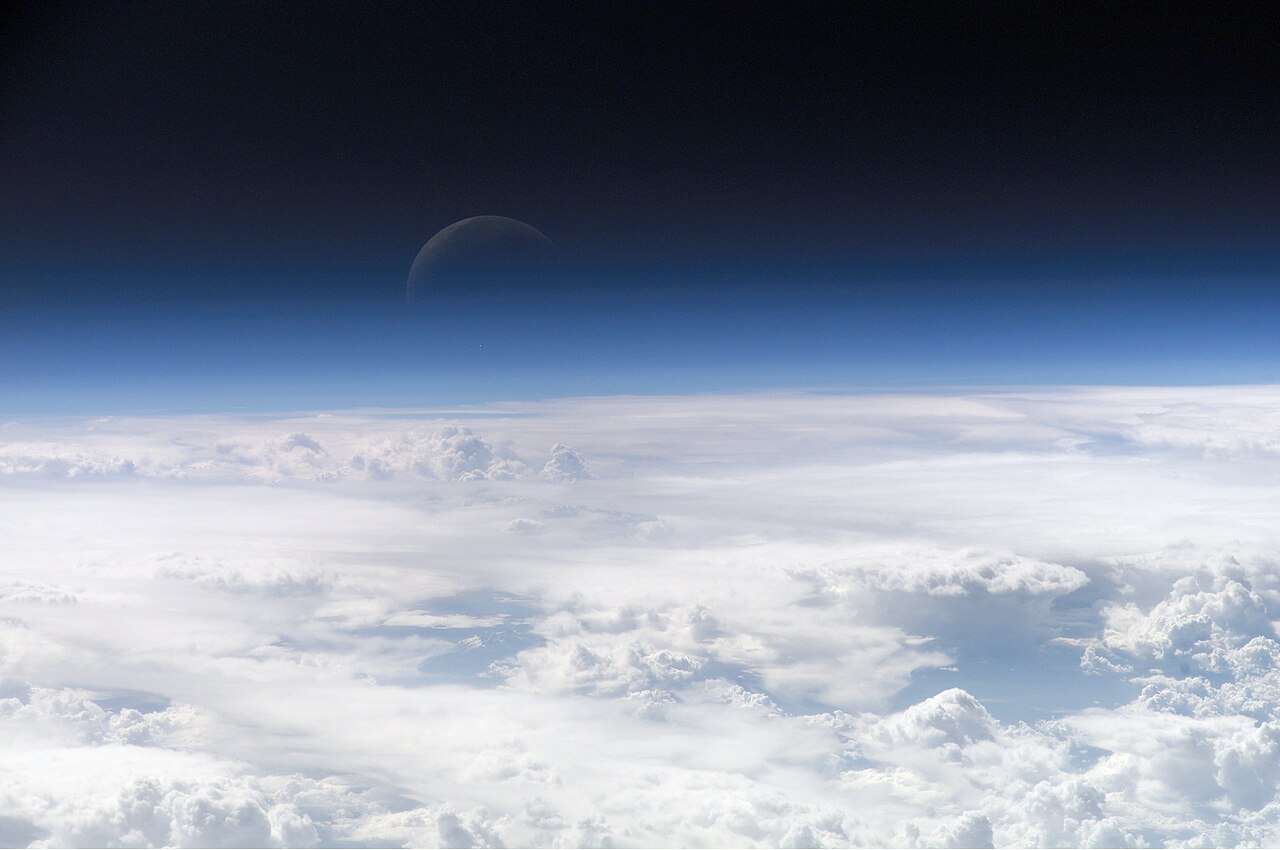

Key components
Environments are commonly described by their main parts and the relationships among them. Typical components include:
- Biotic elements: animals and microorganisms (for example, animal communities) and plant life (vegetation).
- Abiotic media: soil (soil systems), freshwater and marine systems (water bodies), atmosphere and climate.
- Energy and fields: electromagnetic waves and related influences that affect organisms and machines (radio and signal environment, electromagnetic radiation, magnetic fields).
- Larger contexts: for example, conditions between and around galaxies are called the interstellar medium in astronomy.
Interactions and processes
Environments are defined by ongoing interactions: organisms adapt to and modify their surroundings, chemical cycles transfer nutrients, and physical forces shape landscapes. Climate and weather act as dynamic drivers that change the suitability of habitats. Human activity—land use change, pollution, resource extraction and urbanization—alters these processes and can reduce resilience. The role of the social and built environment on people is studied in fields like psychology and medicine, where surroundings influence behavior, health and development.
Historical and conceptual development
Ideas about the environment have evolved from simple notions of 'surroundings' to sophisticated frameworks such as ecosystems, biomes, and planetary boundaries. Ecology established formal ways to describe energy flow and trophic relationships, while environmental science integrates geology, chemistry and biology to assess human impacts. Social and cultural dimensions—how communities perceive and manage their environment—have become central to sustainability scholarship.
Uses, importance, and examples
Understanding environments is essential for conservation, public health, urban planning, agriculture, and technology design. Examples include habitat restoration to protect species, watershed management to secure clean water, and designing buildings that respond to local climate. Technical environments—such as the electromagnetic conditions around communication infrastructure—require specialist assessment, as do clinical environments that affect patient outcomes and cognitive development (mental and social environment).
Notable distinctions
When using the term, it helps to be specific: refer to natural vs. built, local vs. global, or biotic vs. abiotic environments. Interdisciplinary work often benefits from translating between these perspectives—for instance, linking atmospheric chemistry to human health outcomes, or connecting land‑use planning to biodiversity conservation. For further reading across contexts see sources on physical settings (physical surroundings) and on specialized environments such as radio systems (radio environment), ecosystems (plant communities), soils (soil), waters (water), astrophysical media (interstellar medium), and interdisciplinary studies in psychology and medicine (psychology, medicine, mind and social factors).
Questions and answers
Q: What is the definition of environment?
A: Environment means anything that surrounds us, including living (biotic) and non-living (abiotic) things, physical, chemical and other natural forces.
Q: How do living things interact with their environment?
A: Living things live in their environment and constantly interact with it, adapting themselves to conditions in their environment.
Q: What does the word "environment" refer to in different fields of knowledge?
A: In different fields of knowledge, the word environment can refer to different things. For example, electromagnetic environment refers to radio waves and other electromagnetic radiation and magnetic fields; while the environment of a galaxy refers to conditions of interstellar medium; and in psychology or medicine, a person's environment is the people, physical things and places that they live with.
Q: How does a person's environment affect them?
A: A person's environment affects their growth and development by influencing their behavior, body, mind and heart.
Q: How are living organisms affected by changes in their environments?
A: The living conditions of living organisms are affected by weather or climate changes in their environments.
Q: What types of forces make up an environment?
A: An environment includes physical, chemical and other natural forces.
Related articles
Author
AlegsaOnline.com Environment: definition, components, interactions, and human impacts Leandro Alegsa
URL: https://en.alegsaonline.com/art/31640