
Gunpowder (black powder): composition, history, and uses
Gunpowder, or black powder, is an explosive mixture of saltpeter, charcoal, and sulfur. This article outlines its chemistry, how it works, historical development, common uses, and key distinctions from modern propellants.
Gunpowder, commonly called black powder, is a granular explosive mixture traditionally composed of three primary ingredients: saltpeter, charcoal, and sulfur. In loose form it burns rapidly to produce hot gases and solid residues. When this combustion takes place inside a confined volume, the expanding gases generate high pressure, which can propel a projectile within a gun, drive a bullet through a barrel, or rupture a container if the load is excessive and the barrel or casing cannot withstand the stress.
Image gallery
10 Images

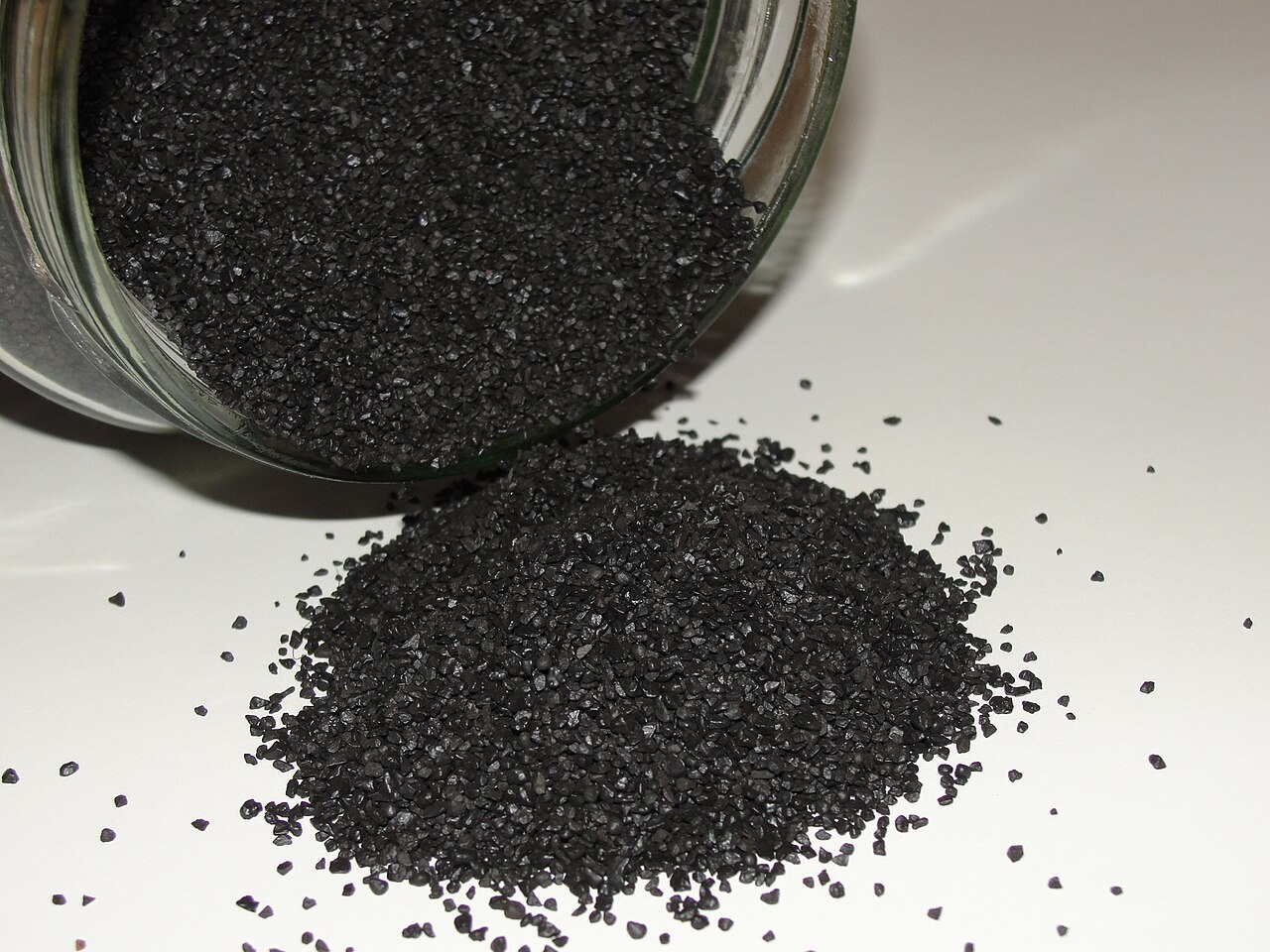


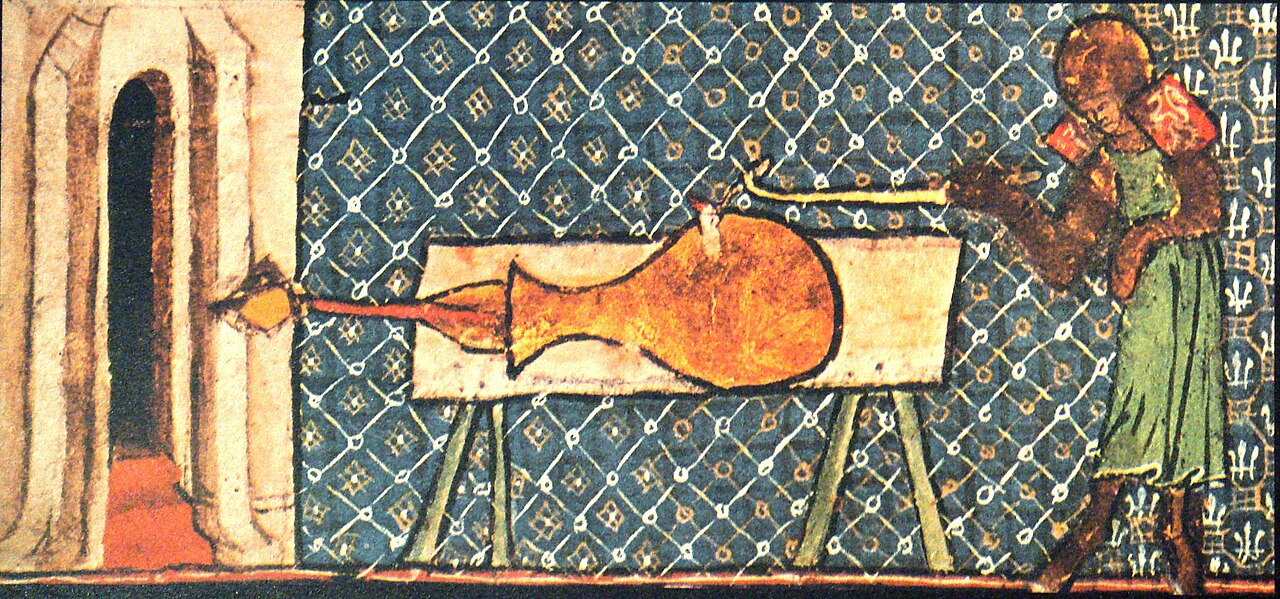


Composition and properties
Traditional gunpowder is typically prepared as a carefully blended mixture where the oxidizer, fuel, and sulfur interact during rapid combustion. The oxidizer supplies oxygen to sustain the reaction, charcoal serves as the primary fuel, and sulfur lowers ignition temperature and increases the speed of burning. Physical grain size, packing density, and moisture content influence burn rate and pressure development. The result of combustion is a rapid production of gases (mostly nitrogen, carbon dioxide, and carbon monoxide) together with solid particulates, which contributes to visible smoke and residue.
How it works
When ignited, gunpowder undergoes deflagration — a combustion wave that travels through the mixture faster than simple burning but slower than a detonation. In firearms and similar devices this rapid gas expansion is harnessed to produce mechanical work. The internal processes that follow ignition are often referred to as internal ballistics: pressure rises behind the projectile, accelerates it down the bore, and then falls as the projectile exits. Because black powder produces large amounts of residue and relatively low energy per unit mass compared with modern propellants, it requires frequent cleaning in firearms and is less efficient for high-velocity applications.
Historical development
Gunpowder originated in China, where early texts and technological use point to its invention by alchemists in the search for the elixir of life. Early references to the substance appear around the 9th century. Chinese scholars called it "fire medicine" (written 火药 / 火藥) and soon adapted it for military and ceremonial uses. Over subsequent centuries the Chinese developed rockets, bombs, primitive rockets, bombs, flamethrowers, land mines, and eventually heavy tubular weapons such as cannons. Knowledge of gunpowder spread westward via trade routes and warfare, reaching Europe by the high medieval period; the substance is mentioned by scholars in the 13th century and figures like Roger Bacon described formulations and effects. European adoption transformed siege warfare, naval combat, and fortification design, and it fundamentally altered military and political power balances.
Uses, distinctions, and legacy
Beyond firearms and artillery, gunpowder has historically been used in mining, construction blasting, signaling, and fireworks. Pyrotechnics exploit its rapid combustion and smoke production for visual and audible effects. Over the 19th and 20th centuries, gunpowder was largely supplanted in military and many industrial applications by smokeless powders and modern high explosives, which burn cleaner, deliver higher energy, and produce less smoke. The distinction between black powder and smokeless propellants is important: black powder deflagrates with copious residue and limited peak pressures, while smokeless powders are chemically nitrated compounds that permit higher velocities and cleaner operation.
Safety and storage remain critical: gunpowder is sensitive to ignition sources, and poor storage can cause accidental fires or explosions. Regulations on manufacturing, transport, and possession vary by jurisdiction. Collectors and practitioners who use historical firearms or perform pyrotechnic demonstrations must follow established safety procedures and legal requirements. For further technical or historic reading, consult dedicated resources and archival materials available through specialized libraries and museums, as well as authoritative online references such as those indicated here: saltpeter info, charcoal types, sulfur properties, pressure and ballistics, guns, ballistics, barrel safety, Chinese origins, early records, alchemical context, Chinese term (simplified), Chinese term (traditional), rocket history, bomb technologies, flamethrower history, land mine development, cannon evolution, European transmission, Roger Bacon.
Related articles
Author
AlegsaOnline.com Gunpowder (black powder): composition, history, and uses Leandro Alegsa
URL: https://en.alegsaonline.com/art/41445