
Rocket: Principles, History, Types, and Uses
Comprehensive overview of rockets: how they work, major types and fuels, historical development from early gunpowder devices to modern launch vehicles, and common applications.
Overview
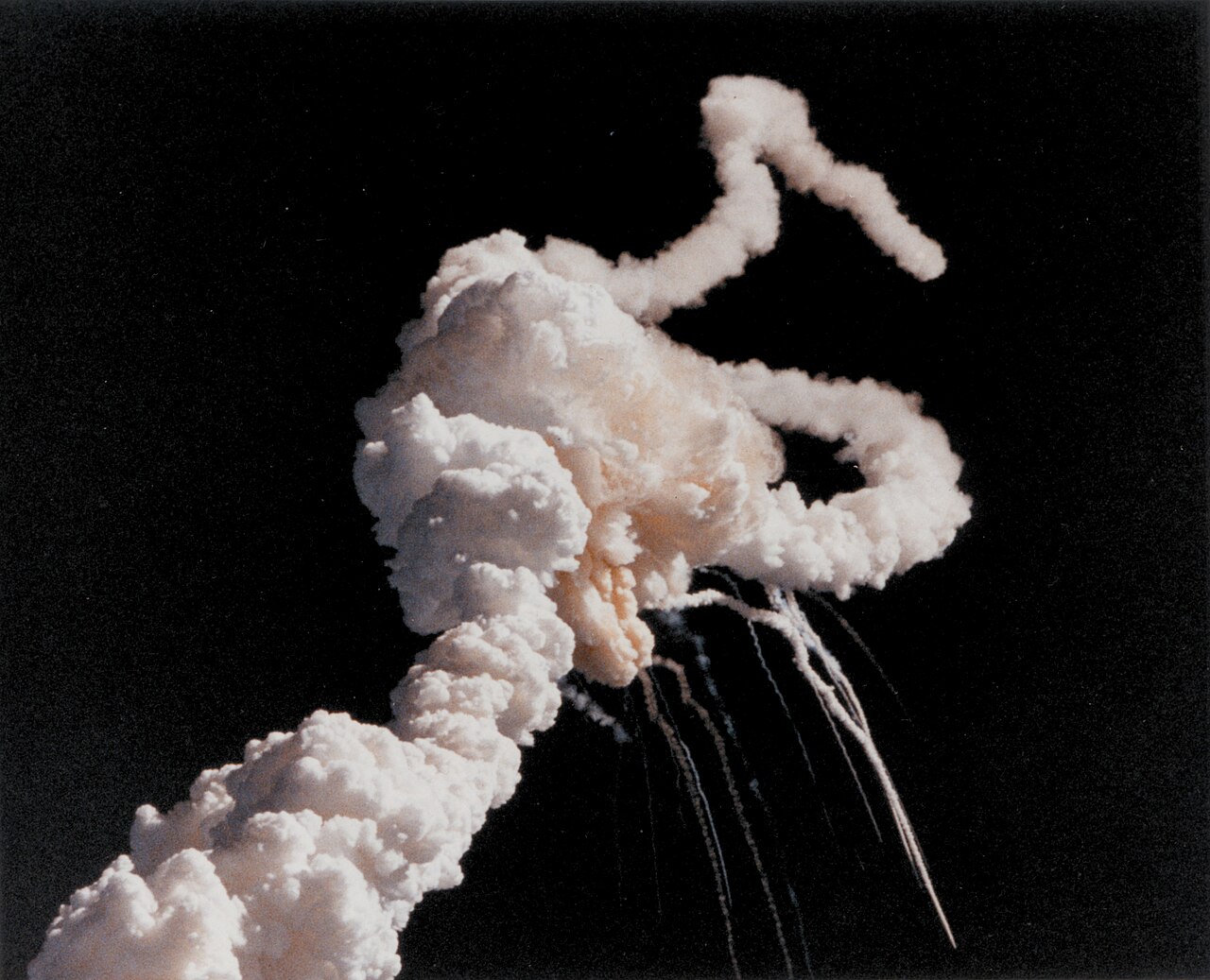
A rocket is a vehicle or device that generates thrust by expelling mass at high speed from a rocket engine. Rockets serve many roles: they can be missiles, vehicles that carry payloads into space, or smaller devices used for entertainment and signaling. Their defining feature is that the propulsion is produced by a reaction between a propellant and an engine, so a rocket does not require external air to push against and therefore functions in atmosphere and vacuum alike.
Image gallery
10 Images




Propulsion and main characteristics
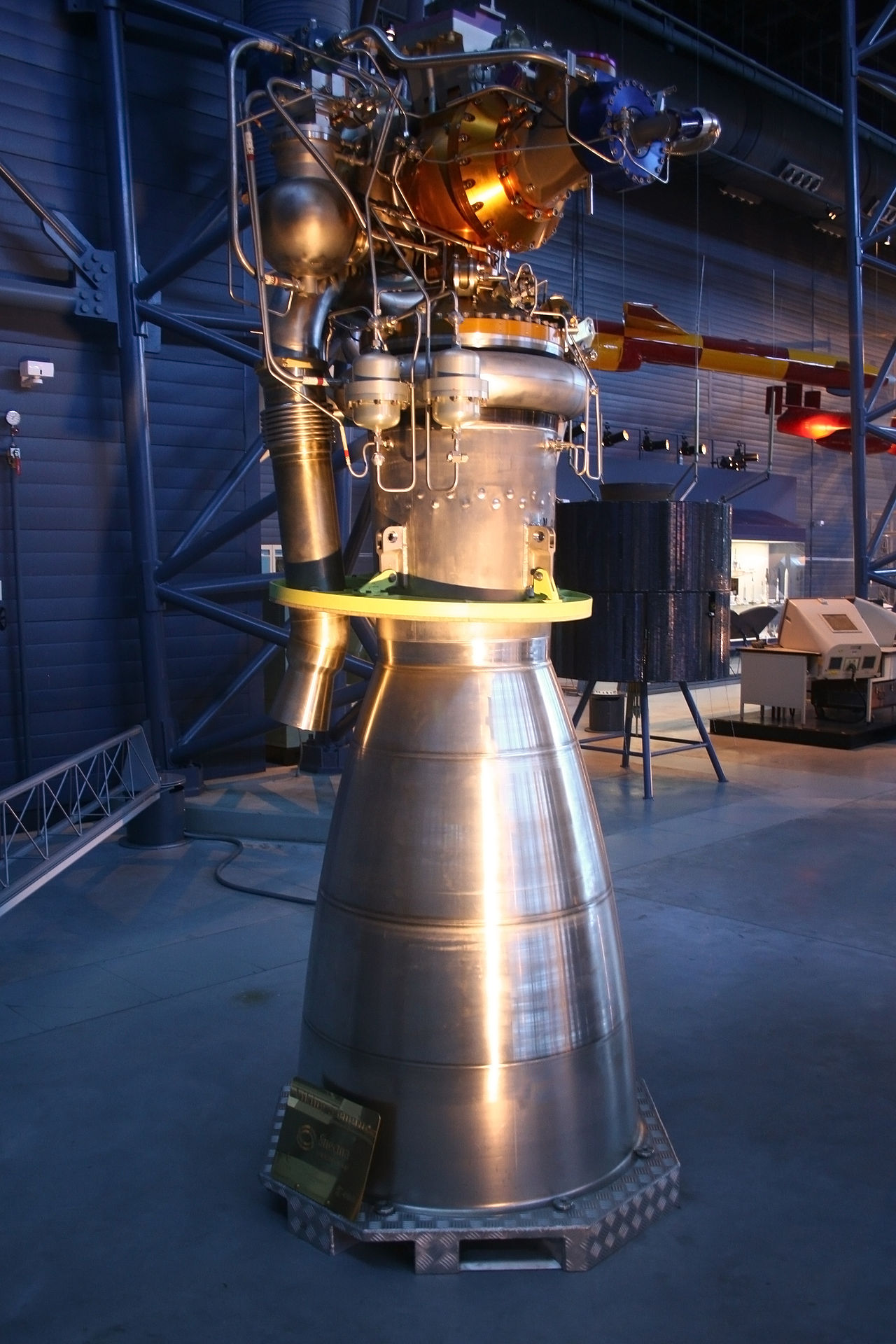
Rockets produce thrust when high-temperature, high-speed exhaust gases are forced out of a nozzle. That exhaust provides the reactive force that accelerates the vehicle. Propellants may be solid, liquid, or gaseous, and different propellant combinations change performance, complexity, and safety. Solid-fuel motors are simple and robust, while liquid-fuel engines typically give higher specific impulse but require pumps, plumbing and careful handling. Electric and advanced concepts, such as ion thrusters, produce much lower thrust but can operate efficiently for long periods once in space.
History and development
The basic idea of a rocket — a self-contained package that uses a combustible charge to produce motion — dates back many centuries. Early firework and military rockets were developed where gunpowder was available and were sometimes shaped like arrows. Modern rocketry became a scientific and engineering discipline in the late 19th and early 20th centuries, culminating in progressively larger and more capable launch vehicles during the mid-20th century. Key milestones include the development of powerful, multistage boosters and the first human orbital flights.
Types and common uses
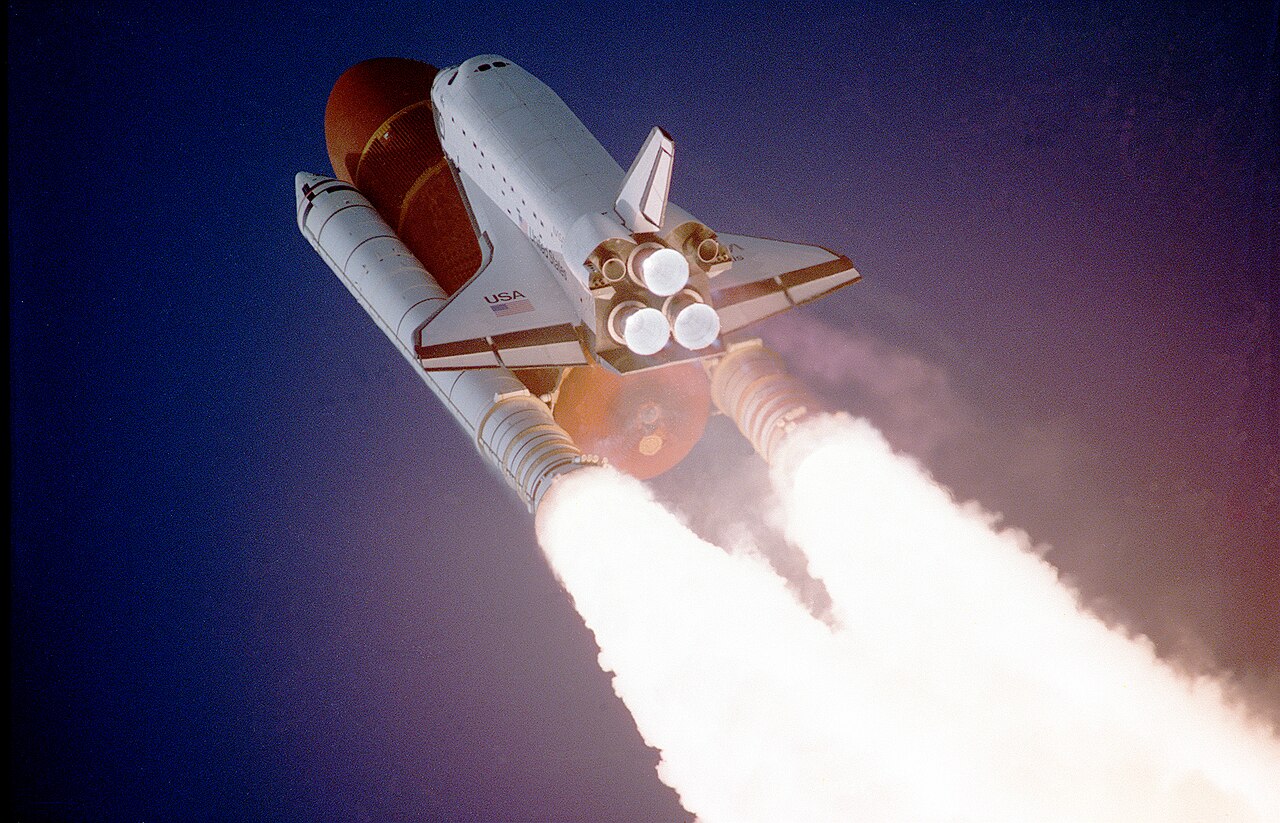
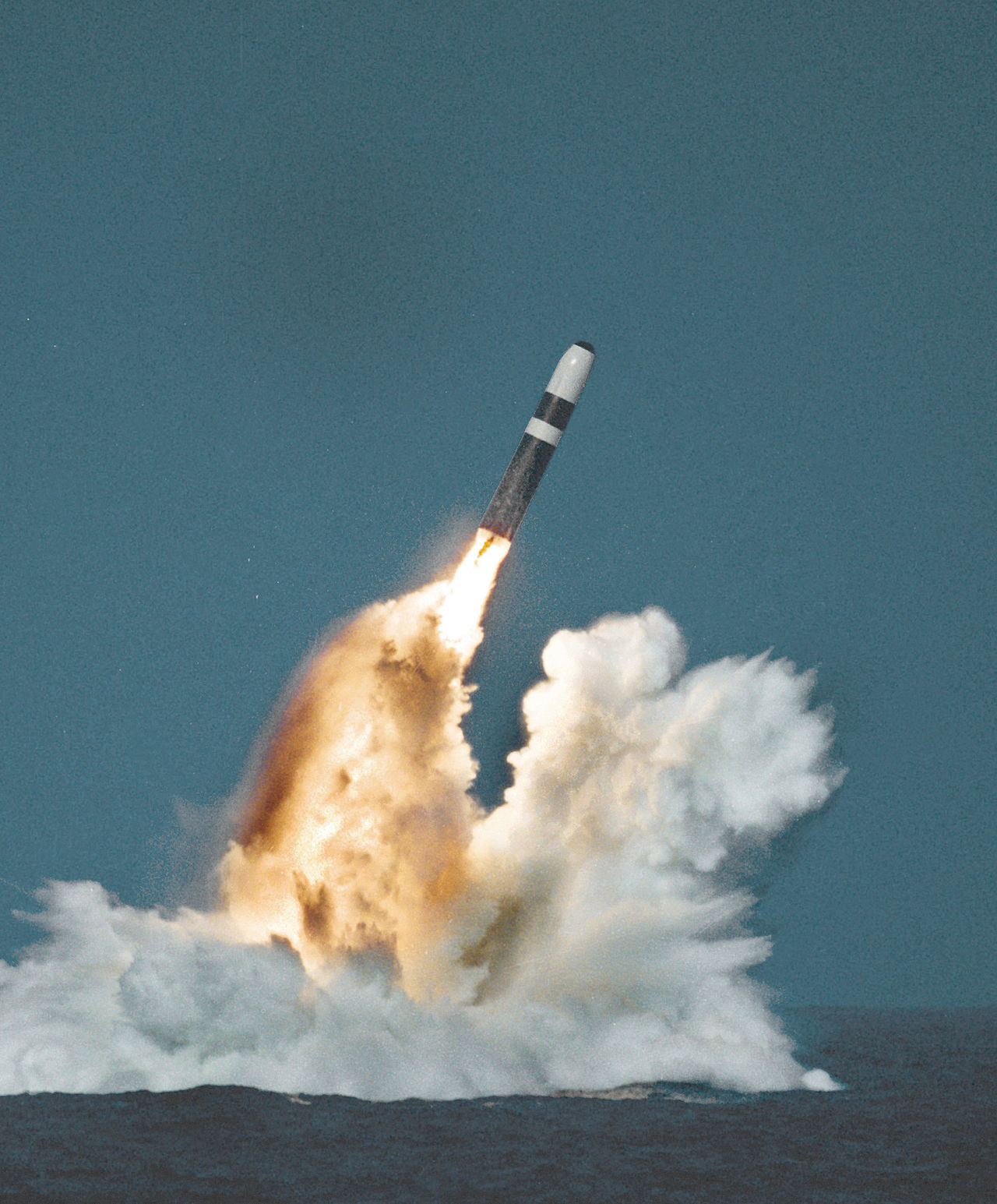
Rockets appear in a wide range of sizes and purposes. Launch vehicles lift satellites and spacecraft into orbit. Sounding rockets probe the upper atmosphere. Tactical and strategic missiles are rockets designed as weapons. Smaller rockets power fireworks or serve as attitude-control thrusters on spacecraft. Some systems combine solid and liquid stages to trade simplicity for performance, and reusable booster designs have become increasingly important for reducing launch costs.
Design, flight profiles and safety
Designers must balance thrust, mass, structural strength and thermal resistance. Manned rockets include systems and limits to reduce acceleration and vibration to tolerable levels for crew safety; unmanned vehicles may be optimized purely for mission performance. Staging is frequently used to shed empty mass and increase efficiency. Handling and storing high-energy propellants introduces safety and logistical challenges that shape operational choices.
Notable facts
Orbital velocities are much higher than everyday speeds: spacecraft in Low Earth orbit travel at tens of thousands of kilometers per hour, while some aircraft and missiles exceed the speed of sound. Iconic examples of large crewed launchers and early orbital systems illustrate how rocketry enabled human spaceflight.
Related topics and references
Questions and answers
Q: What is a rocket?
A: A rocket is a missile, spacecraft, aircraft or other vehicle which is pushed by a rocket engine.
Q: Are all rockets launched from the ground?
A: Most rockets can be launched from the ground because exhaust thrust from the engine is bigger than the weight of the vehicle on Earth. Some are too weak and heavy to lift themselves and require other rockets to bring them into outer space.
Q: How did rockets originate?
A: The first rockets were invented by the Chinese while using gunpowder and were shaped like arrows. They were not very fast. Most modern day rockets still work by fire, where hot exhaust gases expand and shoot out of the back, propelling it forward.
Q: What type of fuel do most rockets use?
A: Most rockets use solid fuel to make fire, however bigger ones use liquid fuel as it makes a hotter fire so that the rocket is more powerful. However, handling liquid fuel safely can be difficult and expensive so some satellite launch vehicles use both solid and liquid fuels.
Q: What are some uses for rockets?
A: Rockets have many uses such as launching satellites into orbit, fireworks displays, weapons systems and controlling moves in outer space.
Q: Who was Yuri Gagarin?
A: Yuri Gagarin was a Soviet cosmonaut who became the first human to fly into outer space on 12 April 1961 in an R-7 rocket launched by the Soviet Union
Related articles
Author
AlegsaOnline.com Rocket: Principles, History, Types, and Uses Leandro Alegsa
URL: https://en.alegsaonline.com/art/83562
Sources
- commons.wikimedia.org : Rockets
- astronaut.ru : "Юрий Алексеевич Гагарин"