
Hafnium (Hf): properties, occurrence, history and uses
Hafnium (Hf, atomic number 72) is a silver-gray transition metal related to zirconium, used in nuclear control rods, high-temperature alloys and modern microelectronics.
Overview
Hafnium is a chemical metal best known by the symbol Hf and the atomic number 72. It appears as a lustrous, silver-gray element and is classified among the chemical elements of the d‑block. The notation atomic number 72 identifies its place in the periodic table.
Image gallery
9 Images


Physical and chemical characteristics
Hafnium behaves like a typical metal of the transition series and is commonly grouped with other transition metals. It forms stable oxides and complex compounds; its chemistry closely resembles that of zirconium, which lies directly above it in the periodic table. Hafnium is corrosion‑resistant, has a high melting point, and forms a dense, protective oxide layer that contributes to its stability at elevated temperatures.
Origin, occurrence and extraction
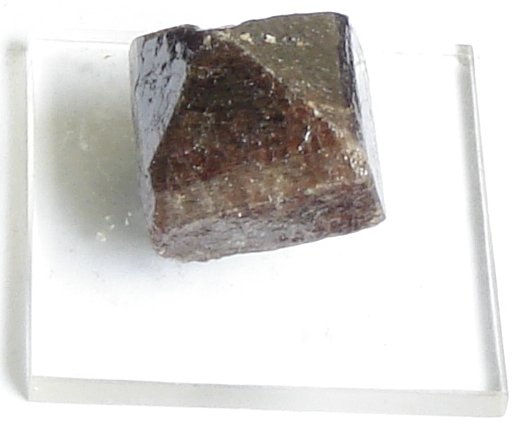
Hafnium is not found in concentrated ore bodies by itself but occurs mixed with zirconium in many minerals. It is most commonly recovered from zirconium minerals, where the two elements substitute for one another. Because they are chemically similar, separating hafnium from zirconium requires specialized chemical processes; this separation is important because each metal has different technological roles.
Uses and practical importance
Hafnium's combination of thermal stability and neutron‑absorbing properties gives it a range of industrial applications. It is alloyed with tungsten and other metals to improve performance in high‑temperature environments and is used in tungsten alloys for specialized parts. Small amounts of hafnium improve the durability of incandescent filaments and various electrodes. Its strong neutron absorption makes it a preferred material for neutron control components such as control rods in nuclear reactors.
Notable facts and modern developments
- Because hafnium and zirconium occur together, zirconium intended for nuclear fuel cladding is routinely purified to remove hafnium, which would otherwise absorb neutrons.
- Hafnium dioxide (HfO2) is an electrically insulating, thermally stable compound that has become important as a high‑k dielectric in semiconductor devices.
- Its rarity, the difficulty of separation, and the demands of modern technologies combine to make hafnium a critical but relatively scarce industrial metal.
For further details on chemistry, extraction methods and advanced applications, see specialized chemical and materials science sources. Additional references and technical data can be consulted through general scientific overviews and databases.
Related articles
Author
AlegsaOnline.com Hafnium (Hf): properties, occurrence, history and uses Leandro Alegsa
URL: https://en.alegsaonline.com/art/41740