
Gypsum (calcium sulfate dihydrate): properties, uses, and varieties
Gypsum (CaSO4·2H2O) is a soft sulfate mineral used for plaster, drywall, cement control, and as a soil amendment. Overview of properties, formation, historical uses, and common varieties.
Overview
Gypsum is a widely occurring sulfate mineral whose chemical formula is CaSO4·2H2O (calcium sulfate dihydrate). It forms in sedimentary environments as an evaporite, often associated with halite and other soluble salts. Because it is relatively soft and easy to work, gypsum has been exploited by humans for millennia for building, art, and industrial applications. Archaeological evidence suggests use in prehistoric times — see early human use — and it remains an important raw material in modern construction.
Image gallery
10 Images




Physical characteristics
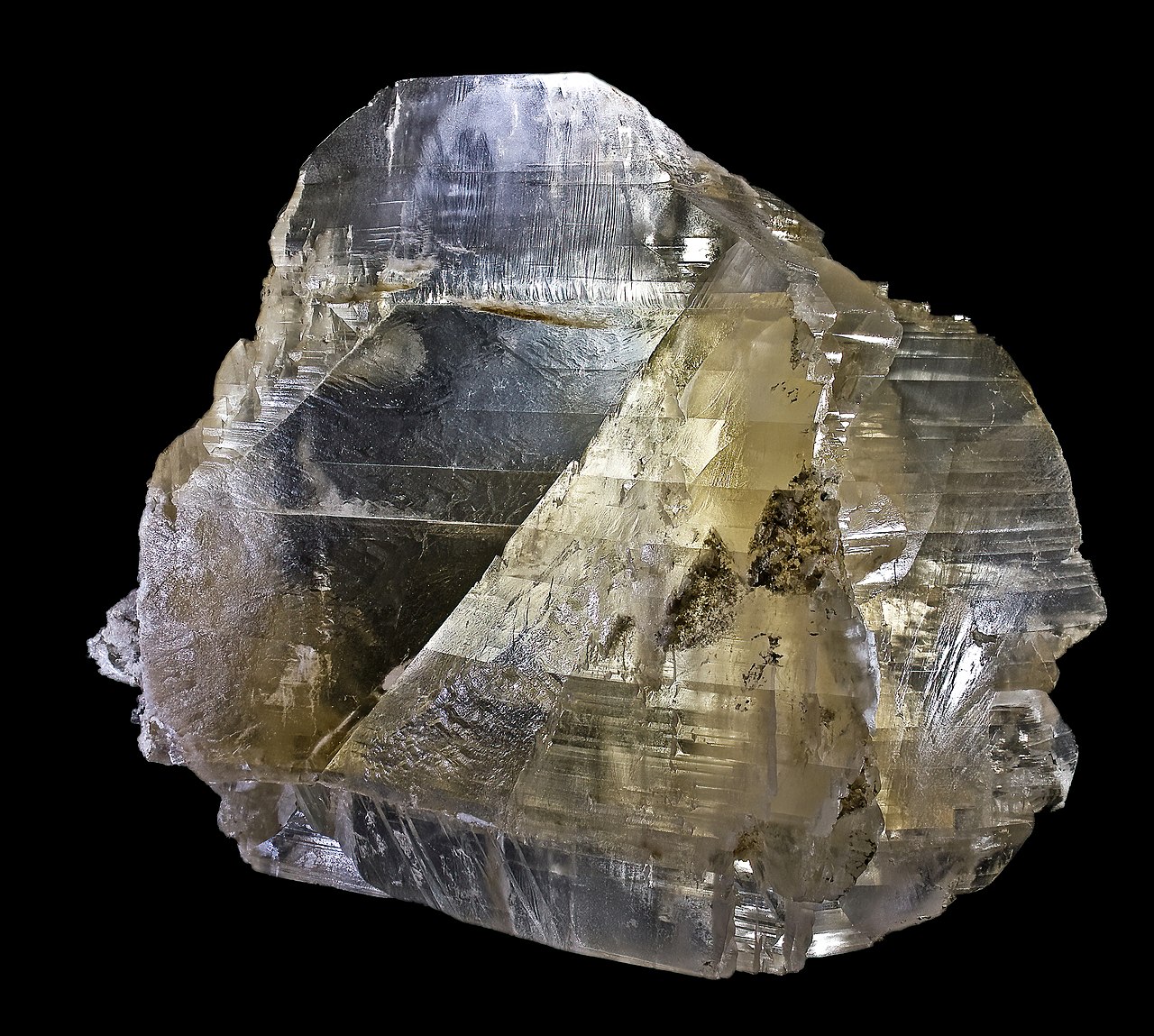
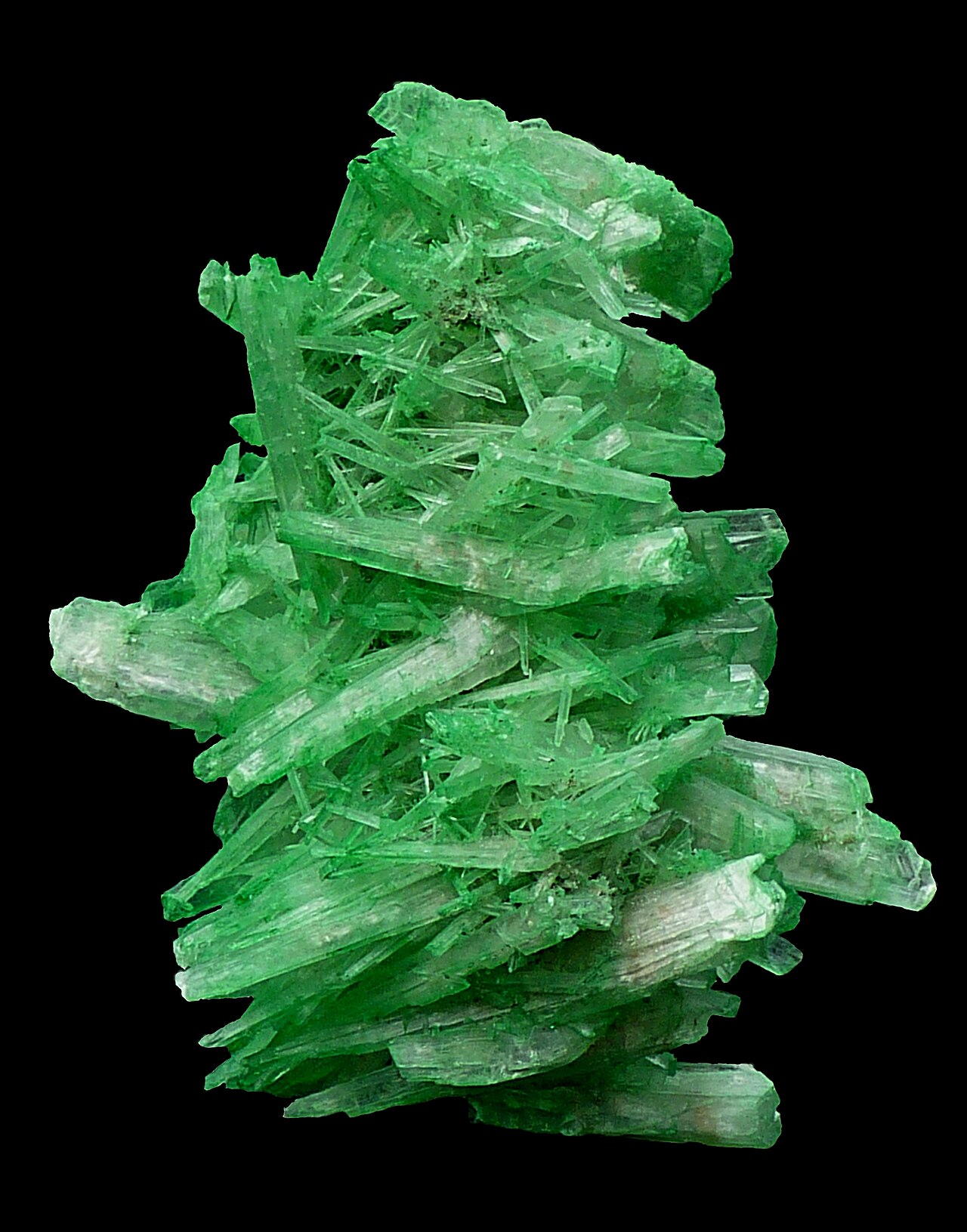
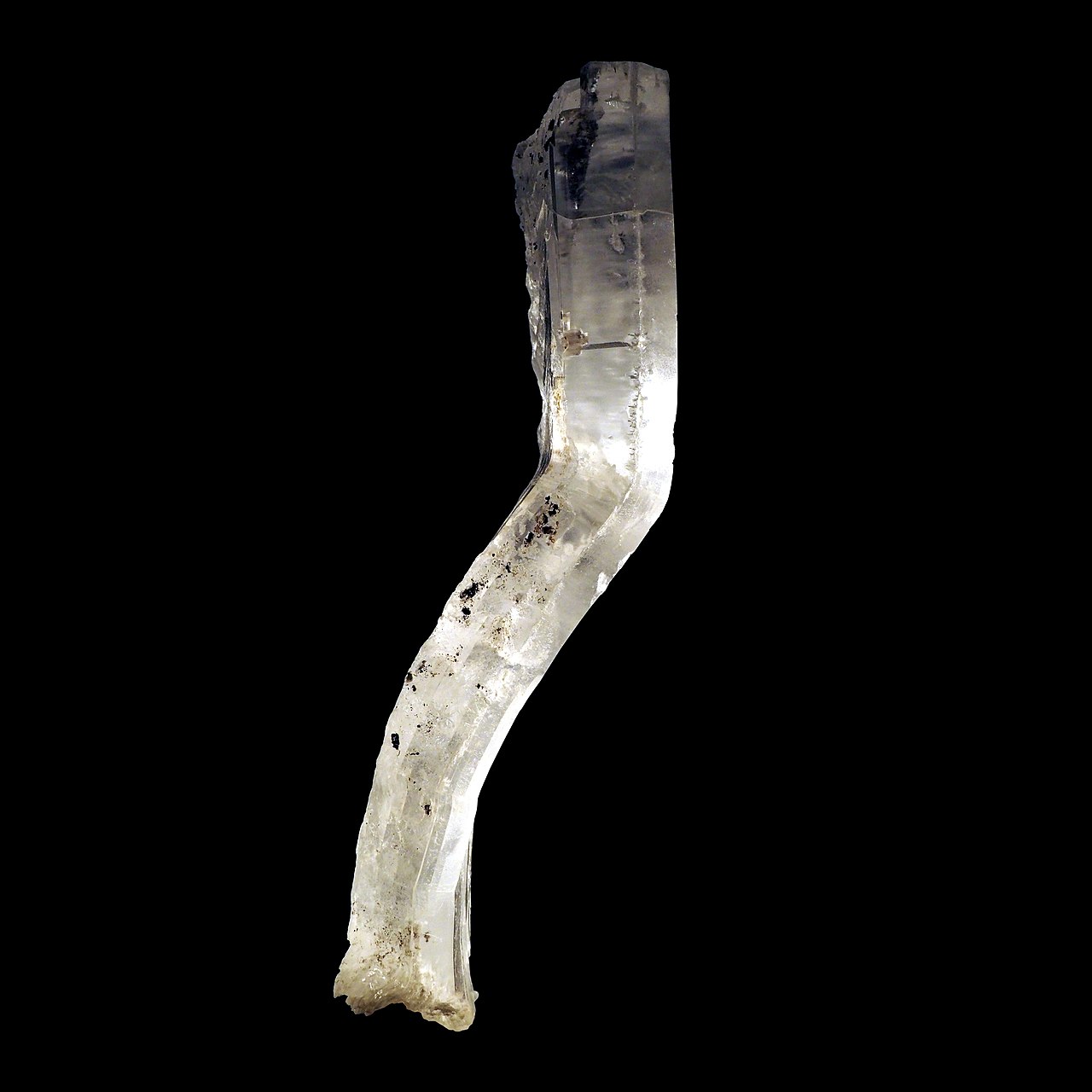
Gypsum crystals range from transparent and glassy to fibrous or massive. Typical varieties include selenite (clear, crystalline), satin spar (fibrous and silky), and alabaster (fine-grained, used for carving). The mineral exhibits perfect cleavage in one direction and is notably soft, rated about 2 on the Mohs hardness scale; it can be scratched with a fingernail (compare on the Mohs hardness scale). Gypsum dehydrates on heating to form plaster products and, under more extreme drying, converts to the anhydrous form anhydrite (CaSO4).
Formation and geological context
Gypsum commonly precipitates from evaporating seawater or saline lake waters, producing layered evaporite deposits. It can also form by the hydration of anhydrite in near-surface conditions. Because gypsum is water-soluble to some degree, it may be remobilized and redeposited, creating nodular or lenticular beds within sedimentary sequences. Large quarries extract gypsum from these sedimentary deposits worldwide.
Principal uses
Gypsum's physical and chemical properties make it versatile in industry and agriculture:
- Construction: the principal ingredient of plaster of Paris and the core of gypsum board (drywall). Partial dehydration produces the hemihydrate (plaster of Paris), which hardens again when mixed with water.
- Cement production: small additions of gypsum to Portland cement control the setting time by regulating the hydration of aluminate phases.
- Agriculture: used as a soil amendment to improve structure, add calcium and sulfate ions, and help displace sodium in sodic soils; see agricultural amendment.
- Art and medical uses: carving material (alabaster), casting, mold-making, and dental impression materials based on gypsum derivatives.
Notable facts and safety
Gypsum is non-toxic in bulk form, but breathing fine gypsum dust can irritate the respiratory tract, so dust control and protective equipment are recommended in production settings. Because of its solubility, gypsum-bearing landscapes can host karst-like features where dissolution has occurred. As a mineral and an industrial commodity, gypsum links geology, archaeology, agriculture, and modern manufacturing.
Related articles
Author
AlegsaOnline.com Gypsum (calcium sulfate dihydrate): properties, uses, and varieties Leandro Alegsa
URL: https://en.alegsaonline.com/art/41619