
9th century (AD 801–900): a century of political change and cultural exchange
Survey of the 9th century (AD 801–900): major political reorganizations, Viking expansion, Carolingian and Abbasid cultural growth, missionary activity, trade networks, and technological and artistic developments.
The 9th century covers the years AD 801–900 and was a period of wide-ranging transitions across Eurasia and North Africa. Political boundaries shifted as successor states emerged from earlier empires, long-distance trade and frontier raids intensified, and religious and cultural movements deepened their regional influence. Scholars study this century to understand the foundations of many medieval institutions and later national identities.
Image gallery
10 Images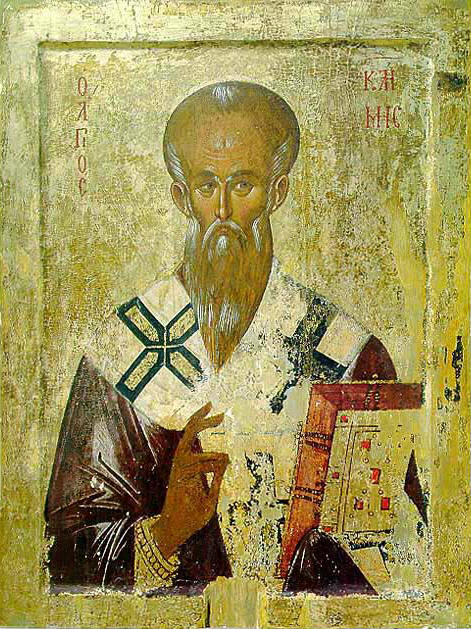
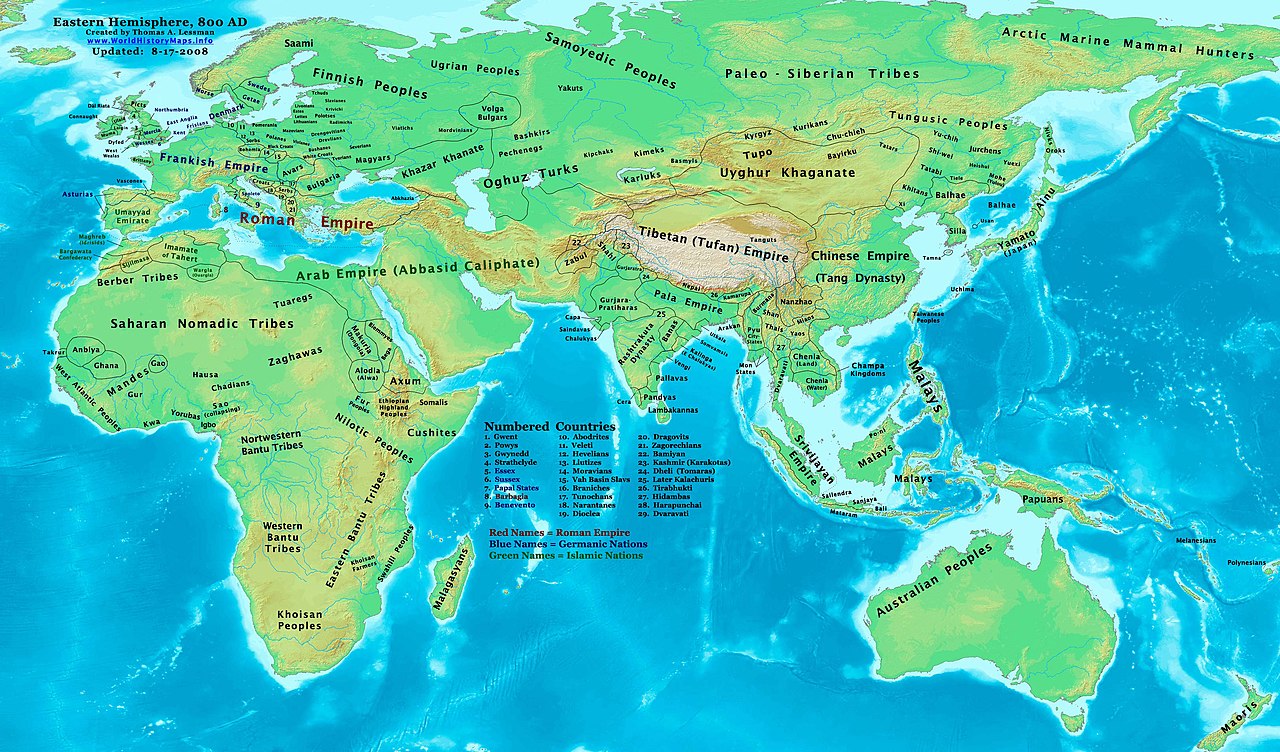





Major political developments
In Western Europe the legacy of Charlemagne's empire fragmented after his successors, producing new concenters of power and the Treaty of Verdun (mid‑9th century) that shaped the future of France and Germany. In Eastern Europe and the Baltic, Slavic polities consolidated while Norse seafarers established trading bases and settlements. The Abbasid Caliphate remained a center of administration and learning, though political authority was increasingly decentralized. In Byzantium a dynastic change in the latter half of the century helped stabilize the empire.
Culture, religion and learning
The 9th century saw both the continuation of the Carolingian Renaissance in Western monasteries and a thriving intellectual life in the Islamic world, where translation, mathematics and astronomy advanced. Missionary efforts spread Christianity among Slavs and in parts of Scandinavia; Saints Cyril and Methodius are often associated with this era. Manuscript production, liturgical reforms, and the development of clear book hands made copying and preserving texts more effective.
Trade, warfare and migration
Viking raids and settlements altered coastal regions of Britain, Ireland, and northern France and stimulated political responses such as fortified towns and naval defenses. Long‑distance trade continued along Mediterranean and Silk Road routes, linking markets from Western Europe to Central Asia. New people on the move, including Norse, Slavs and Magyar groups, reshaped frontier zones and created new patterns of settlement.
Notable features and legacy
- Consolidation and division of Carolingian lands, affecting later European states.
- Intellectual advances in the Islamic world, and preservation of classical texts in Christian scriptoria.
- Viking expansions and the foundation of urban trading centers.
- Missionary activity that influenced Slavic literacy and liturgy.
For timelines and deeper overviews see chronological resources and related summaries at reference guides. These sources assist readers who wish to explore regional histories, artistic developments, or economic patterns that emerged during the 9th century.
Related articles
Author
AlegsaOnline.com 9th century (AD 801–900): a century of political change and cultural exchange Leandro Alegsa
URL: https://en.alegsaonline.com/art/113147