
Bomb (explosive device)
A bomb is a device that releases energy rapidly to produce a blast, heat, or fragments. This article explains types, components, history, uses, and key distinctions between chemical and nuclear explosives.
Overview
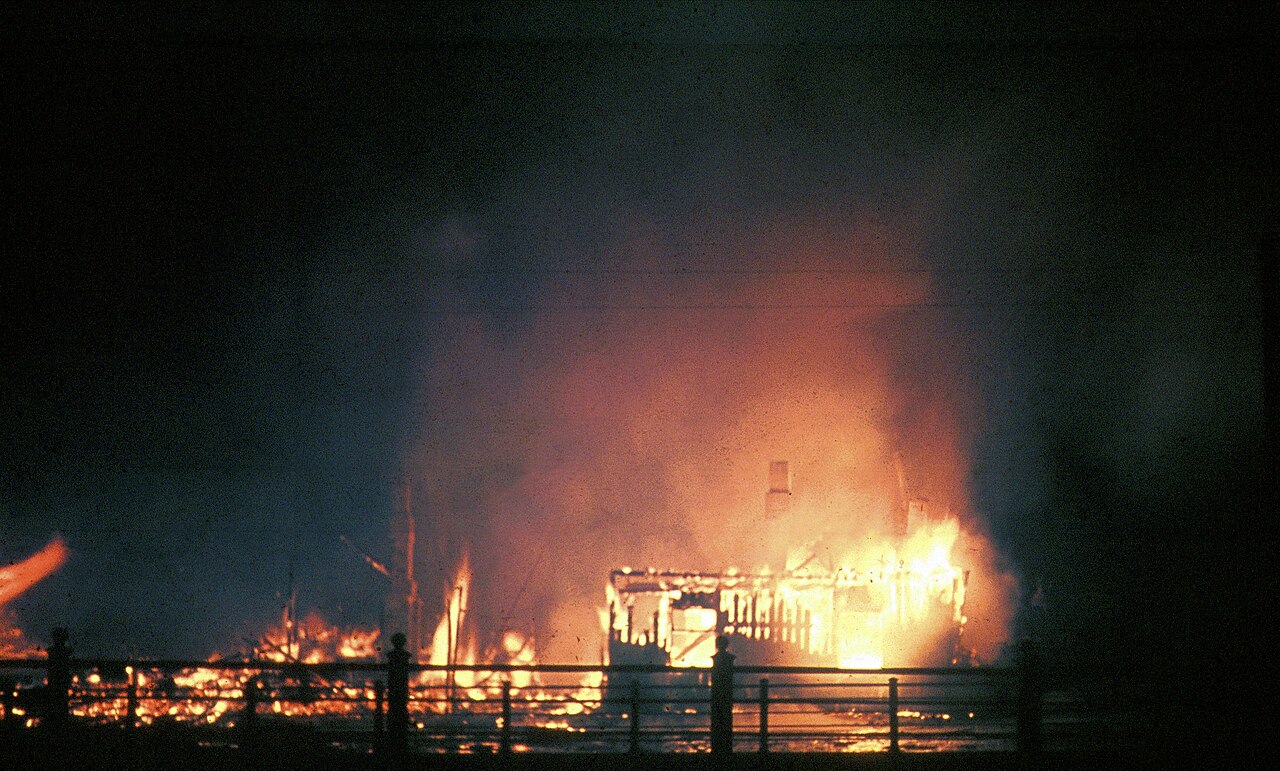
A bomb is an engineered device designed to release stored energy in a very short time, producing a violent detonation accompanied by a powerful shock wave, heat and often fragmentation. Most commonly the term refers to objects intended to damage structures, people or equipment by blast, fire or flying debris. Some designs emphasize incendiary effects, others maximize fragmentation or overpressure for different tactical or destructive goals.
Image gallery
10 Images






Main characteristics and components
At its simplest a bomb is a casing or container that holds an energetic charge and a means to initiate it. Typical components include a primary explosive or detonator, a main charge of explosive or incendiary material, fusing or timing devices, and sometimes fragments or shrapnel intended to increase casualties or damage. Effects produced by a bomb include a pressure wave, thermal radiation, fragmentation and, in some designs, chemical contamination.
- Initiation: triggers that cause the charge to go from stable to reactive.
- Main charge: the bulk energetic substance that releases energy quickly.
- Casing and fragmentation: the envelope that shapes the blast and creates projectiles.
- Delivery mechanism: anything from hand-thrown devices to airborne ordnance.
History and development
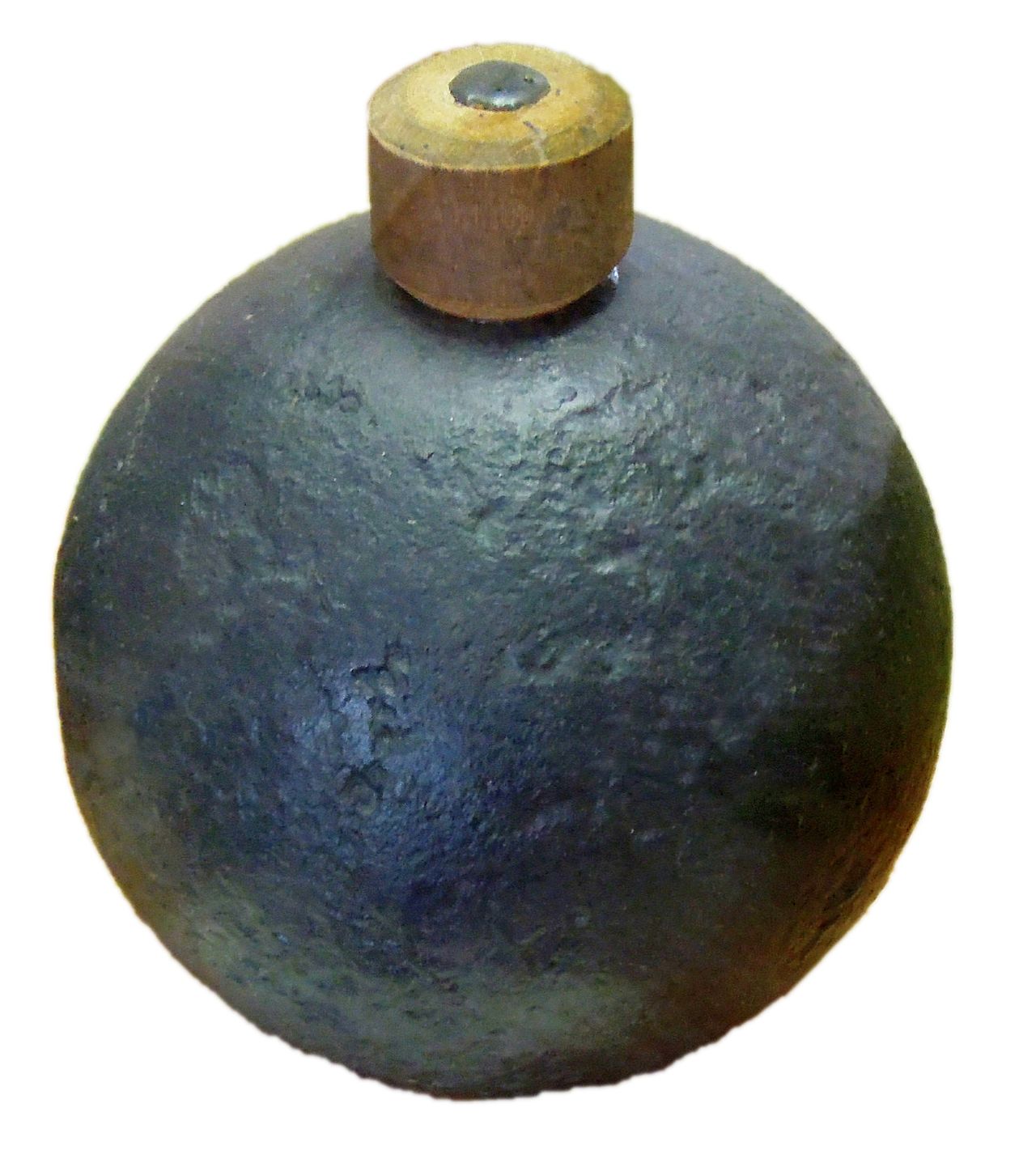
Explosive devices have been used for centuries in warfare, engineering and mining. Early gunpowder-filled shells, bombs and incendiaries evolved into more complex chemical explosives in the 19th and early 20th centuries. The advent of aviation changed the scale and methods of bombing, enabling air forces and air forces to project power from the sky. Developments culminated in the mid-20th century with the creation of the nuclear weapon, which releases vastly more energy through nuclear reactions than chemical explosives.
Uses and examples
Bombs serve a range of roles. Militaries use them to destroy or neutralize enemy targets or fortifications, often delivered by artillery, rockets or bombers. In industry, controlled explosives are used in quarrying and civil engineering and are related to but often not labeled as bombs. Terrorist acts sometimes employ improvised explosive devices or suicide tactics, which are closely associated with suicide attacks in the public record. Demolition teams also use charges to bring down unsafe structures in a controlled manner.
Distinctions and notable facts
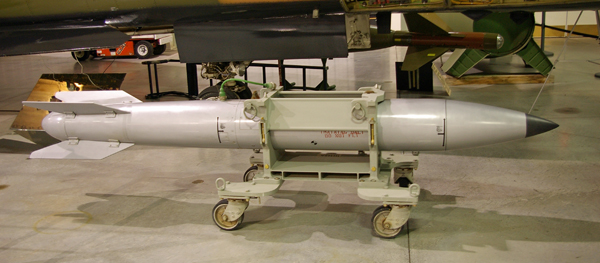
Two important distinctions are the total energy available and the rate at which it is released. Most conventional explosives contain no more chemical energy than common fuels such as gasoline or coal (fuel), but because they release that energy very rapidly they are comparatively powerful for destructive purposes. A nuclear weapon differs qualitatively by deriving its energy from nuclear fission or fusion reactions and thus can yield far greater total energy and different hazards.
Safety, law and ethics
Because of their destructive potential, bombs are subject to strict legal and military controls in peacetime and wartime. International law, military doctrine and domestic regulations govern manufacture, possession and use. Civil authorities focus on prevention, disposal and public safety. Understanding the mechanics, history and social impact of bombs helps inform policy and emergency planning while underscoring the heavy human and material costs associated with their use.
Etymology: The English word "bomb" derives from a Greek onomatopoeic term related to a deep sound. For further reading see links on technical design and historical cases: detonation fundamentals, blast physics, and industrial explosives.
For additional resources and context, consult specialist sources and safety authorities linked here: historical overview, energy comparisons, explosive power, device construction, explosive materials, air operations, strategic delivery, military targets, terrorist incidents, nuclear context, word origin, shock waves, detonations, mining explosives.
Related articles
Author
AlegsaOnline.com Bomb (explosive device) Leandro Alegsa
URL: https://en.alegsaonline.com/art/12819