
Charcoal: properties, production, uses and history
Charcoal is a porous, carbon-rich material produced by heating wood with limited oxygen. This article explains how it's made, its forms, historical role, and common uses from cooking to filtration and art.
Charcoal is a lightweight, porous material produced by heating biomass so most volatile compounds are driven off, leaving a concentration of nearly pure carbon. The resulting product is dark, brittle and low in moisture. Because it is the residue of organic matter altered by heat in a low-oxygen environment, charcoal burns hotter and cleaner than raw wood and has a high energy concentration per unit weight.
Image gallery
10 Images






Production and characteristics
Traditional charcoal is created by slow pyrolysis of wood or other plant material in pits, earthen mounds or metal kilns where access to oxygen is restricted. Modern retorts recover by-products and control emissions. Common secondary substances produced during the process include wood tar and distilled oils such as turpentine, which historically were collected for other uses. Charcoal's high porosity gives it a large internal surface area, an attribute that is increased further in activated charcoal used for adsorption.
Types and distinctions
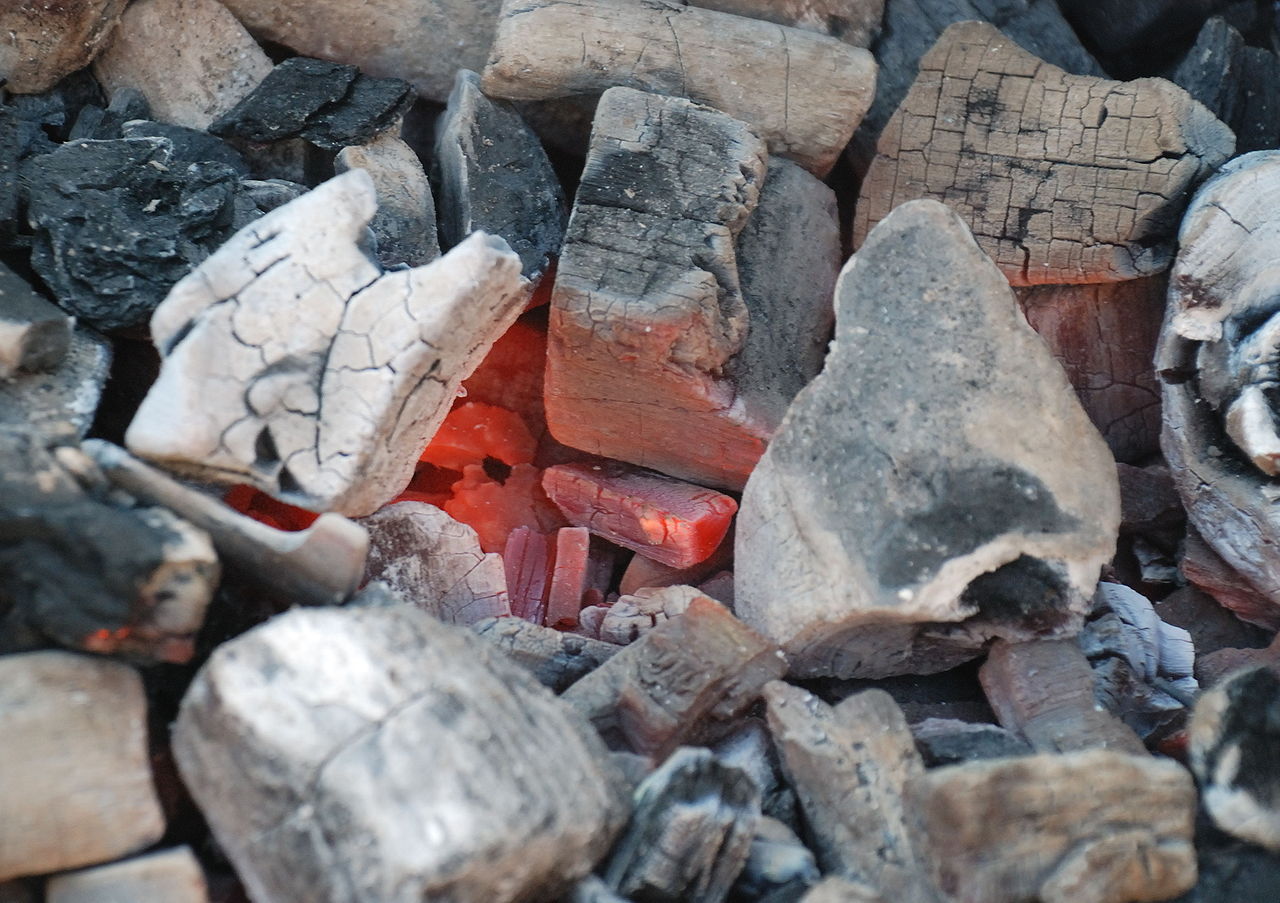
- Lump charcoal: charred hardwood pieces with few additives, used for high-heat cooking.
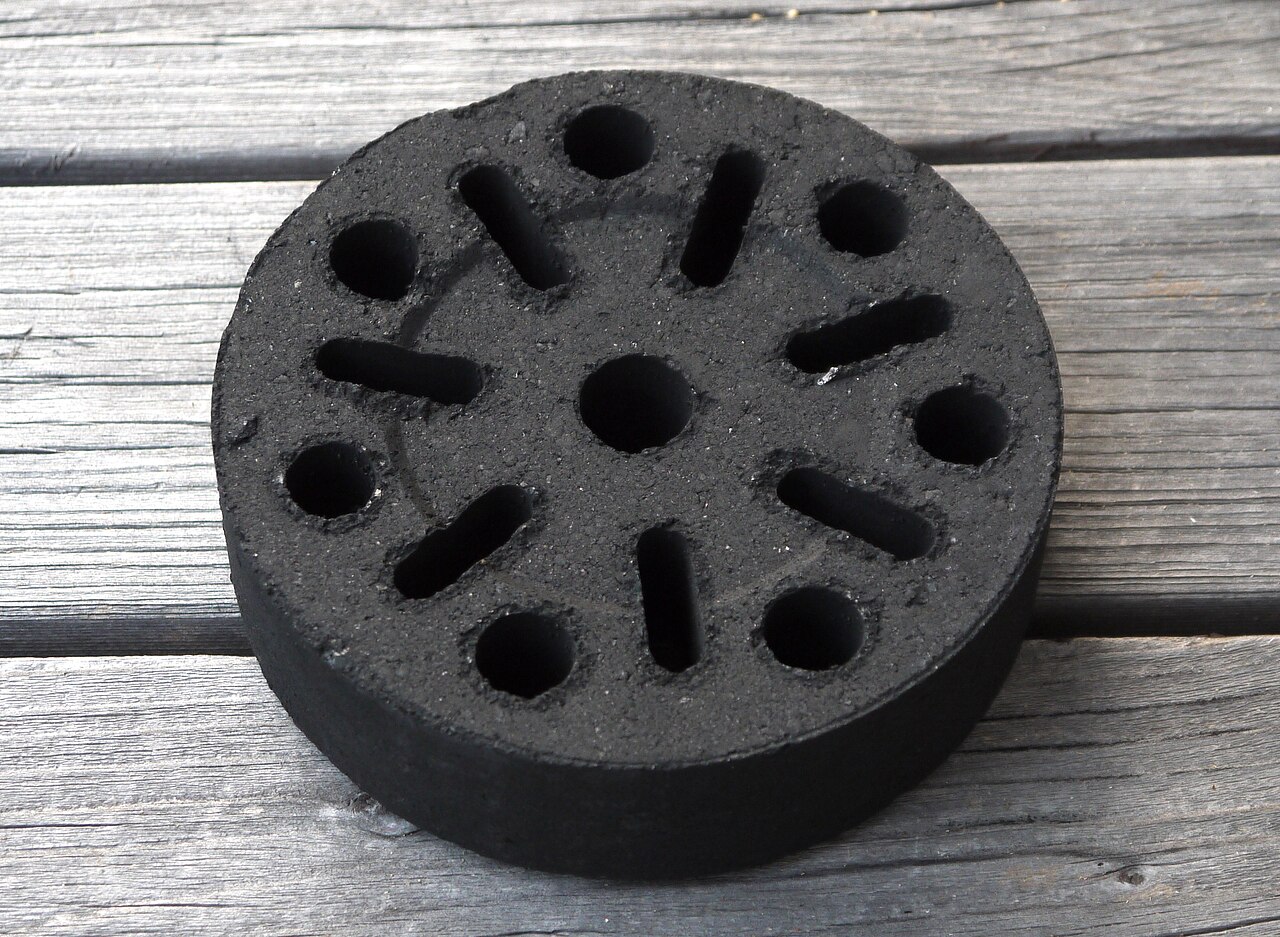
- Briquettes: compressed charcoal with binders and fillers for consistent burn.
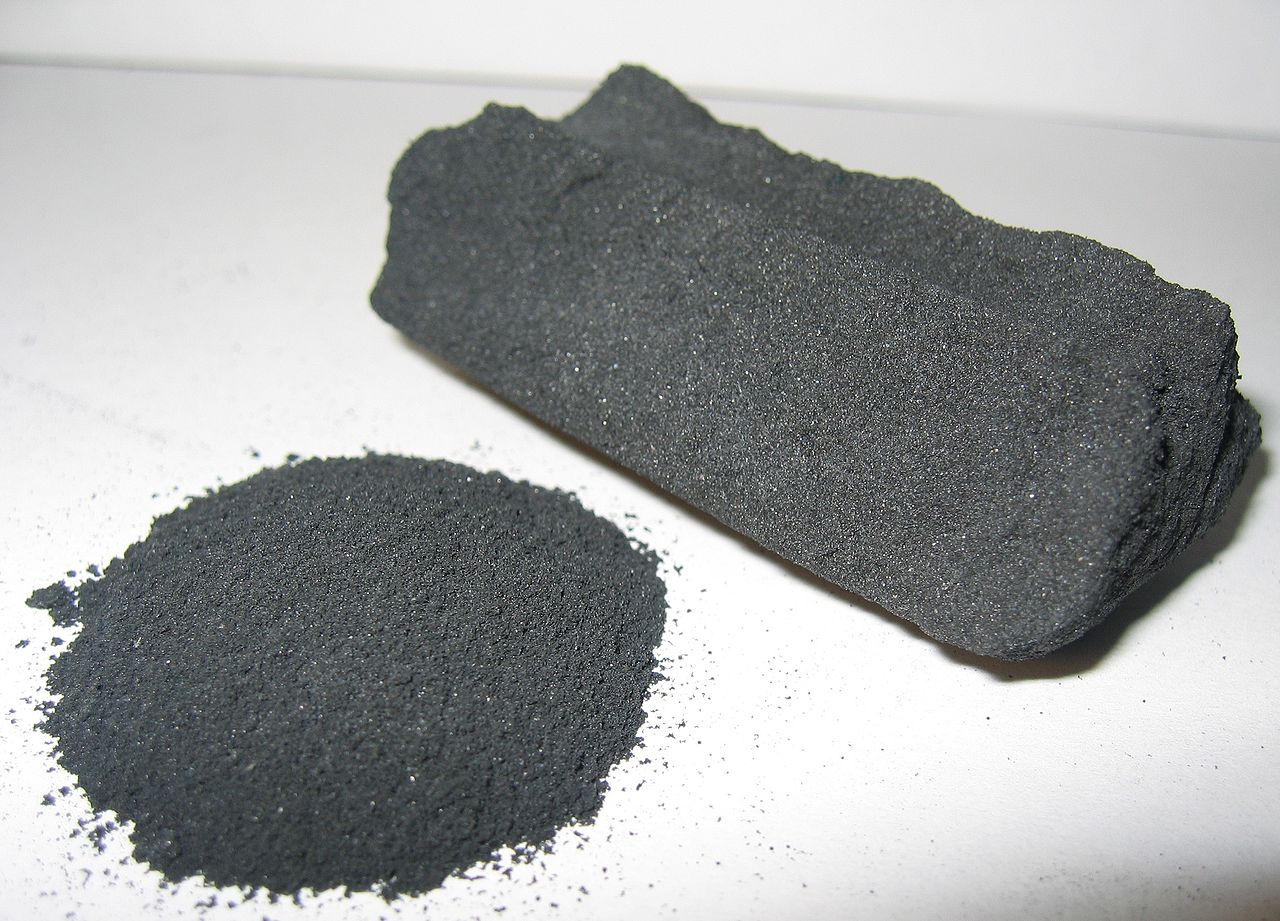
- Activated charcoal: chemically or thermally treated to increase adsorption capacity for filtration and medical uses.
- Biochar: a form of charcoal applied to soil to improve fertility and sequester carbon.
History and development
Charcoal has been manufactured for millennia. It was essential to early metallurgy because charcoal provided the concentrated heat needed for smelting ores prior to the widespread use of coal and coke during the Industrial Revolution. Methods evolved from earthen pits to industrial kilns and modern controlled reactors that reduce smoke and recover useful liquids.
Common uses and examples
Charcoal remains widely used today. It is a traditional fuel for outdoor cooking on a barbecue and indoor or outdoor grill appliances because it produces steady, high heat and imparts flavor. Artists use charcoal sticks and pencils for sketching and tonal work (painting and drawing techniques), while activated charcoal serves in air and water filters, emergency medicine for certain poisonings, and industrial adsorption processes. In agriculture, biochar is increasingly explored as a soil amendment and carbon-removal strategy.
Notable facts: charcoal must be handled and stored carefully to avoid accidental ignition; it produces carbon monoxide when burned in confined spaces; and its properties vary depending on the source material and production method. Understanding these differences helps users choose the right type for fuel, artistic media, filtration or soil management.
Related articles
Author
AlegsaOnline.com Charcoal: properties, production, uses and history Leandro Alegsa
URL: https://en.alegsaonline.com/art/18635