
13th century: global transformations, empires, culture and institutions
Overview of the 13th century (1201–1300): major political shifts, Mongol expansion, Crusades, Gothic art, universities, trade growth, and scientific and administrative developments.
Overview
The 13th century broadly covers the years from 1201 to 1300. It is often seen as a period of intense political change, long-distance contacts and cultural innovation across Eurasia and beyond. During these hundred years, old states were reshaped, new polities rose to prominence, and institutions such as universities and municipal governments expanded their reach.
Image gallery
9 Images



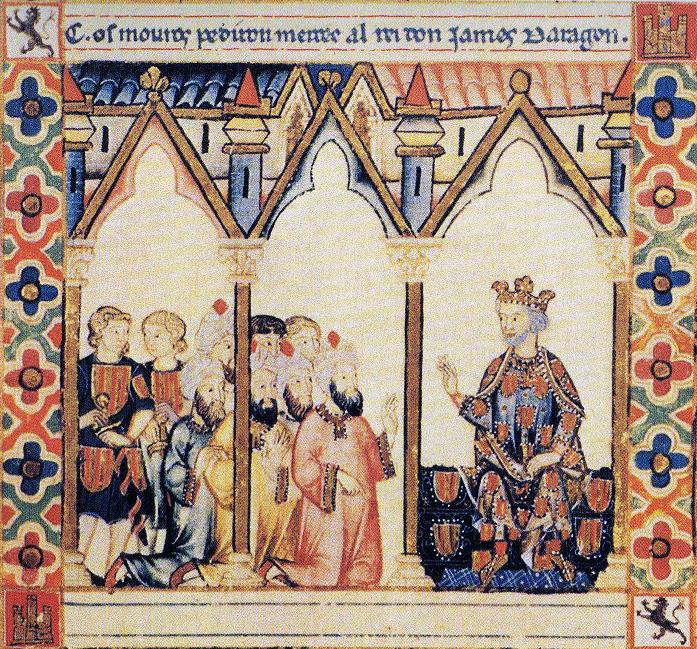
Political and military transformations
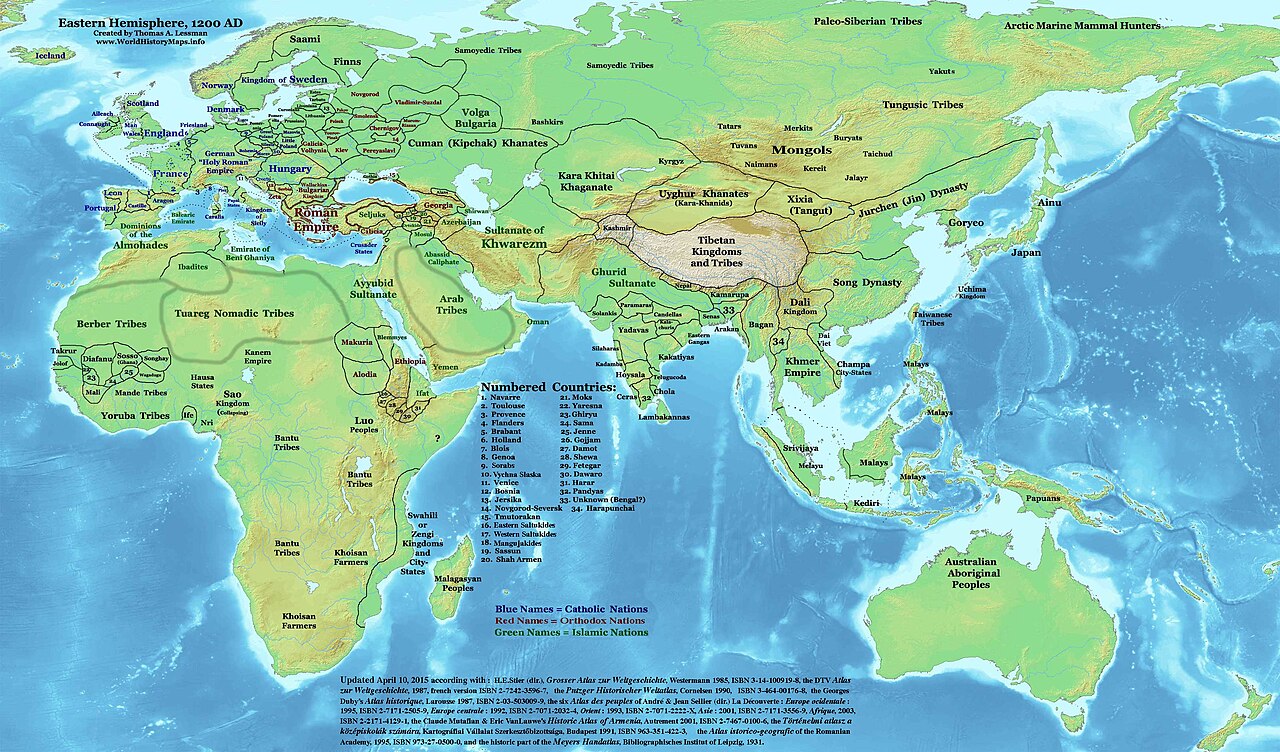
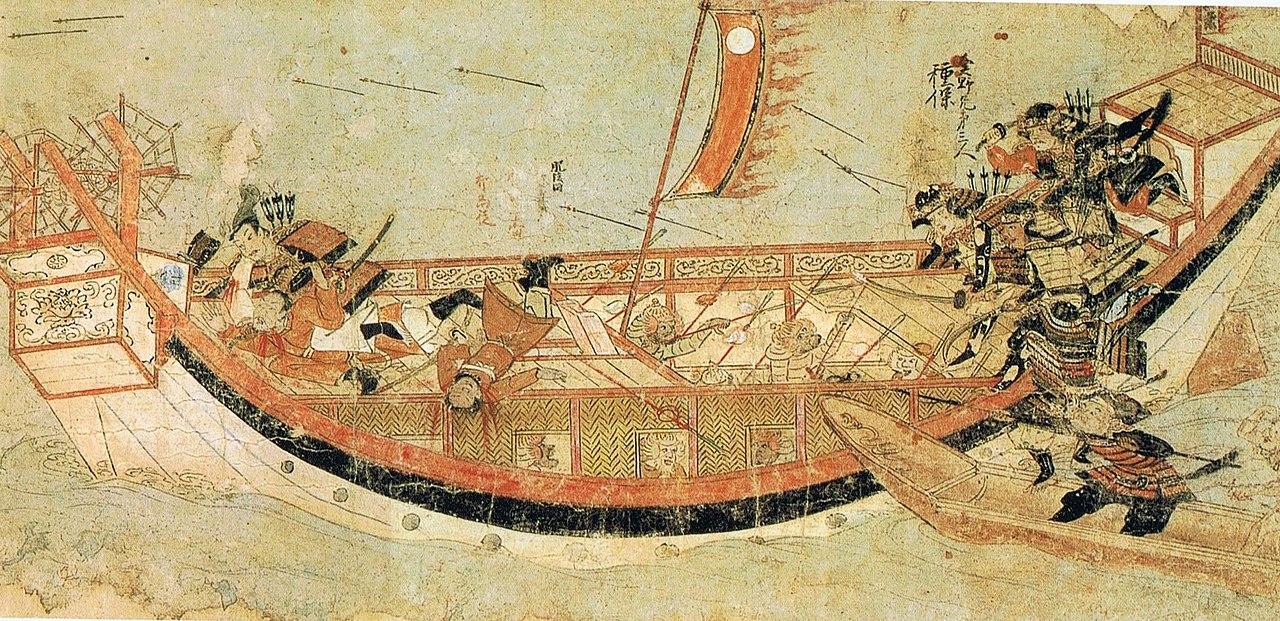
This century witnessed dramatic military movements and state-building. The Mongol conquests, begun under Genghis Khan and continued by his successors, created vast political connections across Asia and into Eastern Europe. In Europe and the Mediterranean, multiple Crusading campaigns continued to affect relations between Latin Christendom, Byzantium and the Islamic world; the Fourth Crusade (1204) and subsequent Latin occupations left long-term consequences for Constantinople and regional politics. In Western Europe, legal and constitutional developments, such as the 1215 Magna Carta in England, influenced later notions of law and governance.
Culture, religion and intellectual life
Religious life remained central: church councils, monastic reform, and the growth of mendicant orders shaped urban spirituality. Intellectual activity clustered in cathedral schools and emerging universities—most notably Paris and Oxford—where scholasticism sought to reconcile faith and reason. Key thinkers and theologians produced works that circulated widely and informed later medieval learning.
Economy, cities and trade
Trade and urban growth accelerated. Italian maritime republics and merchant cities increased long-distance commerce with the Eastern Mediterranean and Asia. In Northern Europe, trading networks and the early association of Hanseatic towns helped organize Baltic and North Sea commerce. These connections stimulated craft production, banking practices, and the rise of influential city governments.
Art, technology and knowledge
Gothic architecture reached new heights in cathedral building, noted for pointed arches, flying buttresses and stained glass. Practical and scientific innovations also appeared: mechanical clocks began to be used in public spaces, navigational knowledge improved, and spectacles first appear in European records near the century's end. Increased manuscript transmission spread classical and Arabic learning into Western curricula.
Notable events and legacy
- Major events often cited for the period include the sack of Constantinople (1204), the issuing of the Magna Carta (1215), and pivotal battles and treaties linked to Mongol expansion.
- Travel and cross-cultural contacts grew: merchants and travelers reported on distant lands, while diplomatic exchanges moved ideas, goods and technologies across borders—Marco Polo's travels to East Asia began in the late 13th century and became influential in later narratives.
- The century's institutional and cultural changes—legal customs, urban governance, university learning, and artistic styles—laid foundations that shaped the later medieval world.
For further reading on timelines, major figures and region-by-region developments, consult specialized surveys and chronologies that trace the century's complex local and global interactions. See also collections of primary documents and archaeological syntheses for concrete examples of everyday life and material culture in the 13th century. More resources
Related articles
Author
AlegsaOnline.com 13th century: global transformations, empires, culture and institutions Leandro Alegsa
URL: https://en.alegsaonline.com/art/111321