
Bullet: projectile, cartridge components, types, history and uses
A concise guide to bullets: the projectile and its role inside a cartridge, common materials and types, historical development, uses in sport and defense, and safety and environmental issues.
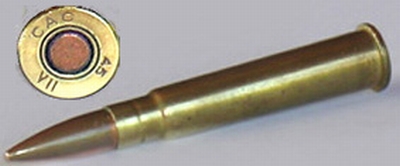
In firearms terminology the word bullet properly denotes the projectile that is expelled from the barrel when a gun is fired. Many people use the term loosely to mean an entire cartridge or round, but a complete cartridge contains several parts: the projectile (the bullet), the case, the propellant, and the primer. The projectile itself comes in a variety of shapes and constructions designed for different purposes, and is usually made from dense metals such as lead with an outer jacket of copper or a copper alloy.
Image gallery
10 Images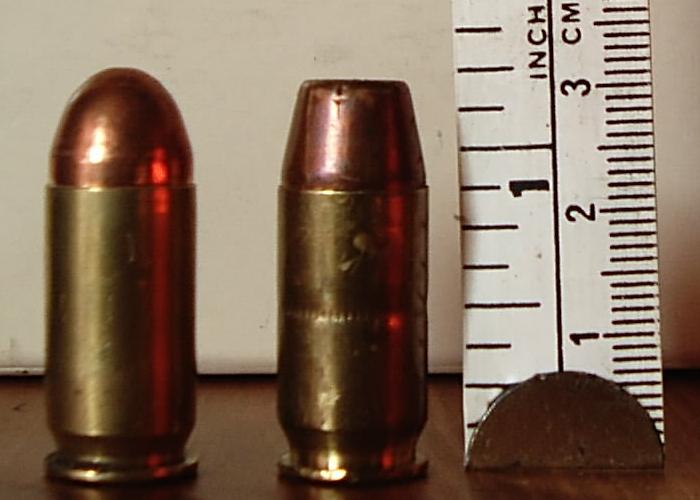




Basic components and how they work
A cartridge or round of ammunition holds the elements required to fire a bullet. The primer, when struck by the firing mechanism, creates a small ignition that lights the propellant (commonly called gunpowder in traditional terms). Rapid combustion of the propellant generates high-pressure gas that drives the bullet forward through the barrel and toward the target. The case keeps these parts together and is designed to fit a specific chamber and barrel.
Common types and characteristics
- Full metal jacket (FMJ): a soft core, often lead, fully enclosed by a harder jacket to reduce deformation.
- Hollow-point: a cavity in the tip that encourages expansion on impact, used in many self-defense and hunting contexts.
- Soft point: exposes the core at the tip to provide controlled expansion.
- Match and boat-tail designs: optimized for accuracy and stability at range, often used in target and hunting rifles.
Bullets have a size, usually referred to by caliber (diameter) and sometimes by the cartridge designation. Different firearms — from pistols to high-powered rifles — require specific calibers and case types to function safely and accurately.
History and development
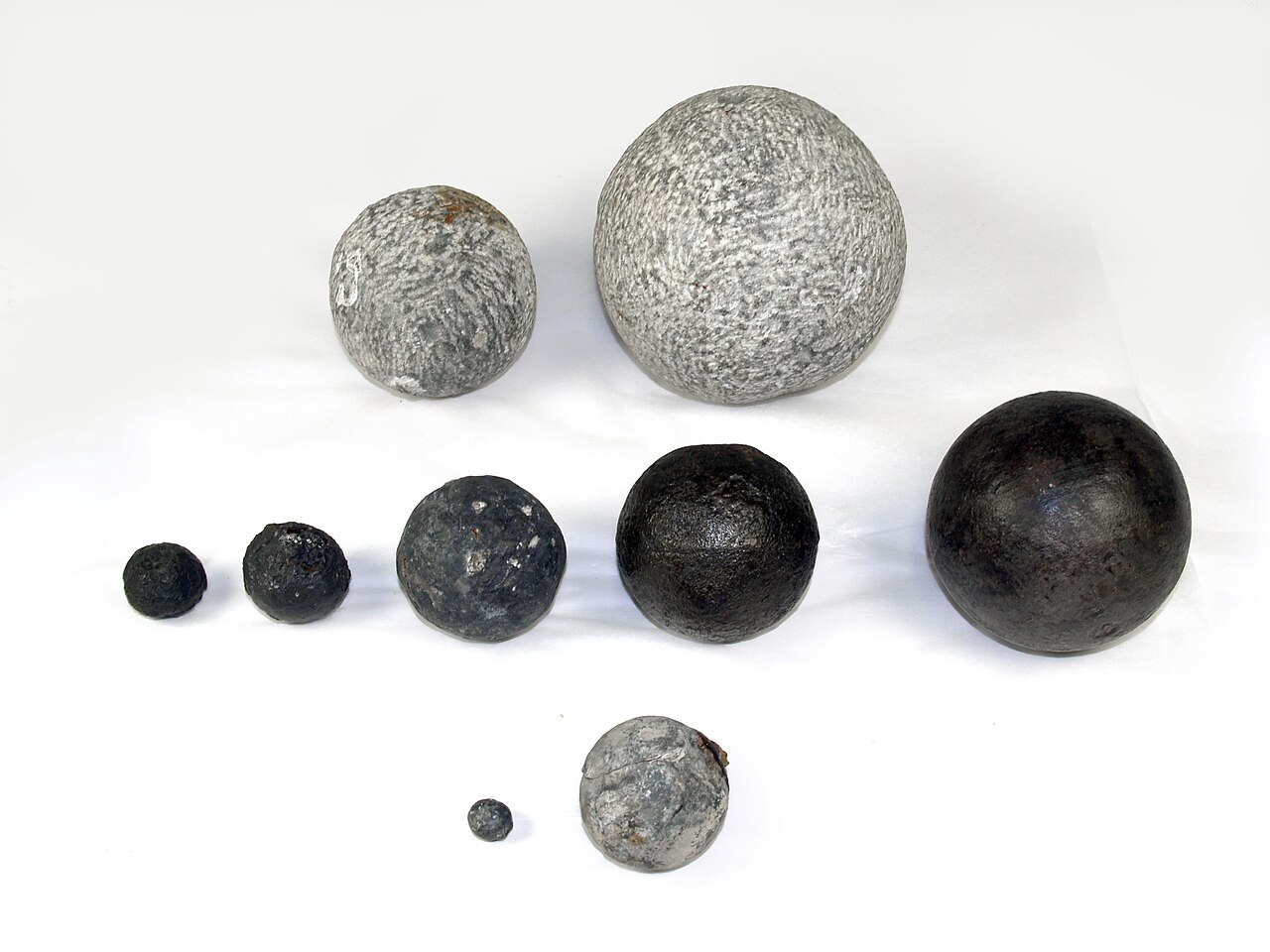
Projectiles evolved from simple lead spheres and early conical shapes to more sophisticated bullets as rifling, metallurgy, and propellant chemistry advanced. The introduction of rifled barrels increased accuracy by imparting spin, and the development of jacketed bullets and new propellants improved velocity, stability, and terminal performance. Ammunition manufacturing became standardized so that cartridges and firearms from different makers could be reliably matched.
Uses, legal and safety considerations
Bullets and cartridges are used by soldiers, police, sport shooters and hunters (hunting). They are also employed for personal protection and in many civil and recreational contexts. Because bullets are weapons when assembled and fired, their manufacture, sale, possession and transport are regulated in most jurisdictions. Safe handling, secure storage, and appropriate training are important to reduce accidental injury.
Notable distinctions and environmental issues
It is important to distinguish between the bullet (the projectile) and the cartridge or round. Ammunition comes in two broad primer categories: rimfire and centerfire; most modern military and civilian cartridges are centerfire because of greater reliability and ease of reloading. Lead in bullets and shot can contaminate soil and water at shooting ranges, prompting the use of non-lead alternatives and range management practices. Shotguns fire shells that may contain many small pellets or a single slug, which are functionally different from single-projectile bullets.
For an overview of firearms and safe practices see general resources on guns and ammunition, and consult manufacturers' guidance on specific cartridges such as the cartridge type used in a given firearm. Technical primers explain ignition and chambering in more detail; for instance, a primer ignites the propellant which produces the gases that expel the bullet. For more technical reading on propellants and cartridge design follow materials indexed at relevant specialist references: ammunition guidance, propellant chemistry, and resources about projectiles and bullet construction.
When studying or handling ammunition, also review legal and environmental guidance from authorities where you live and seek practical training from qualified instructors to ensure responsible use.
Guns • Lead • Copper • Cartridge • Gunpowder • Weapons • Soldiers • Police • Hunting • Caliber • Ammunition • Projectile • Propellant
Questions and answers
Q: What is a bullet?
A: A bullet is a small metal object fired from guns.
Q: What is the cartridge?
A: The cartridge is a package that holds the bullet and other components of ammunition, such as gunpowder and primer.
Q: How does the bullet get pushed out of the gun?
A: The bullet is pushed out of the gun by hot gases at a high pressure created by an explosion from the primer igniting the gunpowder.
Q: Who uses bullets?
A: Bullets are used by soldiers, police, and for self-defense, hunting animals for food or sport, and shooting targets.
Q: Are all bullets alike?
A: No, each gun takes a certain size or caliber of bullet and rifles and handguns use different kinds of bullets.
Q: What makes up an ammunition cartridge round?
A: An ammunition cartridge round includes the bullet (which is the projectile), case (which holds everything together), propellant (which provides most of energy to shoot it) and primer (which ignites propellant).
Tags
Related articles
Author
AlegsaOnline.com Bullet: projectile, cartridge components, types, history and uses Leandro Alegsa
URL: https://en.alegsaonline.com/art/15253