
Sulfur (element S)
Sulfur is a nonmetal chemical element (symbol S, atomic number 16) known for its yellow crystals, multiple allotropes, role in industry and biology, and involvement in the global sulfur cycle.
Overview
Sulfur is a chemical element with the symbol S and atomic number 16. It belongs to the chalcogen group (group 16) and is a common, naturally occurring nonmetal. At ordinary temperatures it appears as a yellow, brittle solid with several crystalline forms. Sulfur is abundant in the Earth's crust, found both as the native element and combined in sulfide and sulfate minerals.
Image gallery
10 Images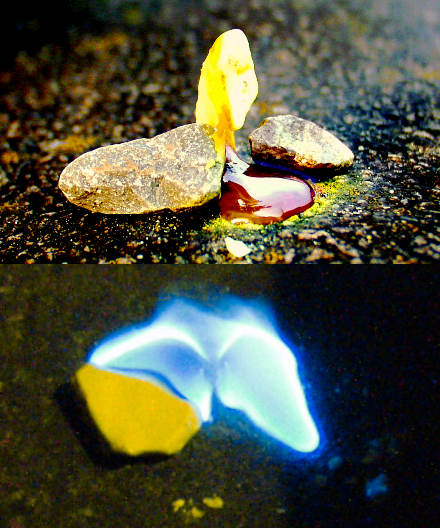


Physical and chemical characteristics
Sulfur is notable for its variety of allotropes. The most common molecular form in nature is cyclo-S8 — an eight-atom ring — but other ring sizes and polymeric chains can form under different conditions. It melts at about 115 °C and boils near 445 °C. Sulfur is insoluble in water but dissolves in some organic solvents such as carbon disulfide. It is a poor electrical conductor and reacts with many metals and nonmetals to form sulfides and sulfates.
History and naming
Sulfur has been known since antiquity and appears in many historical texts under names like brimstone. Its recognition as a distinct chemical element came with the development of modern chemistry in the 18th century. The spelling "sulfur" is preferred by modern international chemical nomenclature, though the older form "sulphur" remains in use in some regions.
Uses and applications
Sulfur and its compounds have widespread industrial and agricultural uses:
- Production of sulfuric acid, the largest industrial chemical by volume, used for fertilizers, metal processing and chemical manufacture.
- Fertilizers and soil conditioners as elemental sulfur or sulfate salts to supply plant-available sulfur.
- Vulcanization of rubber, additives and sulfide-based chemicals in industry.
- Fungicides, insecticides and preservatives in agriculture and historical uses in matches and pyrotechnics.
Biological and environmental roles
Sulfur is an essential element for life. It occurs in the amino acids cysteine and methionine, in vitamins and in numerous coenzymes; disulfide bonds help stabilize protein structure. In the environment, sulfur cycles between atmospheric, terrestrial and marine reservoirs. Oxidation of sulfur-containing fuels releases sulfur dioxide (SO2), which can form sulfate aerosols and contribute to acid rain and air pollution if not controlled.
Safety and notable facts
Elemental sulfur is of low toxicity, but dust can be a fire and explosion hazard, and combustion produces sulfur dioxide, a toxic, irritating gas. Mining, refining and burning of sulfur-bearing materials are therefore regulated to limit emissions. Sulfur’s multiple allotropic forms, central role in industry, and necessity for life make it a chemical element of both practical importance and environmental concern.
Related articles
Author
AlegsaOnline.com Sulfur (element S) Leandro Alegsa
URL: https://en.alegsaonline.com/art/94716