
Haber process
Industrial method for synthesizing ammonia from nitrogen and hydrogen using high pressure, elevated temperature and an iron catalyst; foundational for modern fertilizers and agriculture.
Overview
The Haber process, also called the Haber–Bosch process, is the principal industrial method for producing ammonia from elemental gases. It converts atmospheric nitrogen and gaseous hydrogen into ammonia under conditions that favor formation of the product. The simplified chemical equation for the reaction is N2 + 3 H2 ⇌ 2 NH3. The process was developed and scaled in the early 20th century and remains the dominant route to synthetic ammonia used worldwide.
Image gallery
6 Images



Process and operating conditions
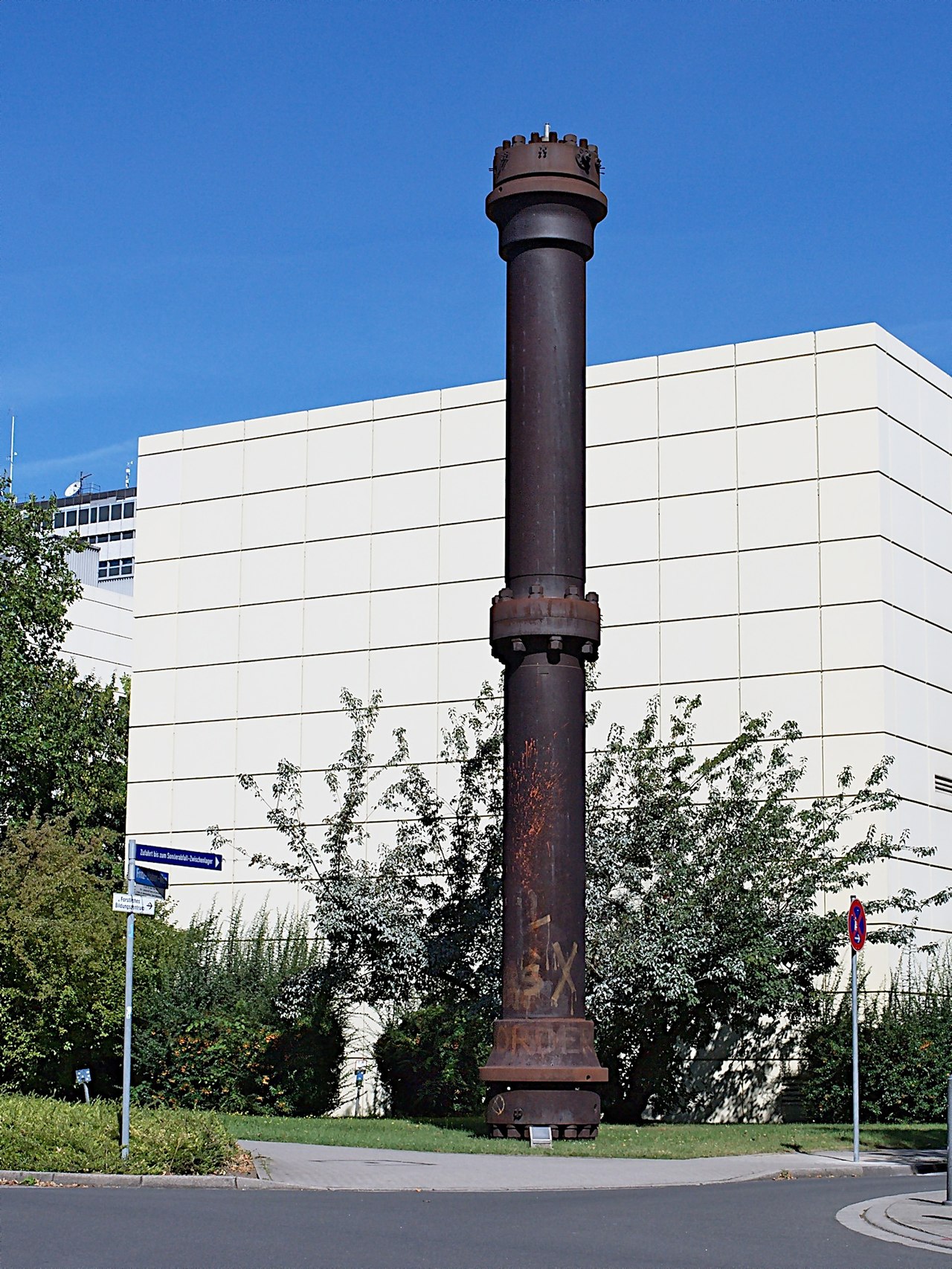
Industrial Haber plants operate at elevated temperatures and pressures to achieve a practical compromise between chemical equilibrium and reaction rate. Typical operating ranges are around 400–500 °C and pressures on the order of 100–300 atmospheres, with many large plants operating near 200 atm. A heterogeneous catalyst — historically and commonly an iron-based material with promoters — is used to accelerate the reaction without being consumed. Because the formation of ammonia is exothermic, lower temperatures favor higher equilibrium yields, but higher temperatures are required to obtain acceptable conversion rates; thus a compromise temperature is used.
Key steps in an industrial plant
- Feed preparation: removal of impurities such as sulfur and carbon monoxide that poison the catalyst.
- Hydrogen production: usually from steam methane reforming or, increasingly, by electrolysis when low-carbon hydrogen is needed.
- Compression: gases are compressed to the high pressures required for favorable equilibrium.
- Reaction over catalyst: the compressed N2 and H2 pass over a catalyst bed where some fraction converts to ammonia.
- Separation and condensation: ammonia is cooled and condensed out of the gas stream for collection (product handling).
- Recycle: unreacted gases are recycled back to the reactor to improve overall conversion and process efficiency.
History and development
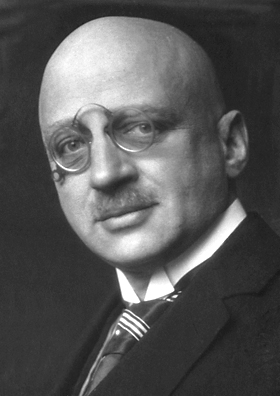
The process is named after Fritz Haber, who developed the laboratory reaction, and Carl Bosch, who led industrial scale-up and engineering. Their work in the first decades of the 20th century enabled continuous, large-scale synthesis of ammonia, transforming agriculture by supplying a reliable source of nitrogen fertilizers. Recognition for these achievements included Nobel Prizes in Chemistry awarded to Haber (1918) and Bosch (1931).
Importance, impacts and modern challenges
Synthetic ammonia produced by the Haber process is the cornerstone of modern fertilizer production and has been credited with enabling large increases in crop yields and global population support. At the same time, the process is energy intensive and traditionally relies on fossil-derived hydrogen, leading to significant CO2 emissions. Research and deployment efforts therefore focus on reducing energy use, improving catalyst performance, integrating renewable hydrogen (so-called "green" ammonia), and lowering the carbon footprint of ammonia manufacture.
Notable distinctions and facts
The Haber process differs from laboratory methods by its continuous, high-pressure operation and by use of robust industrial catalysts and reactor designs optimized for throughput and efficiency. Modern catalysts are usually iron with oxide promoters and structural supports; alternative catalysts and process routes are an active area of research aimed at lowering temperature or pressure requirements or facilitating decentralized ammonia production for energy storage and fertilizer use.
Related articles
Author
AlegsaOnline.com Haber process Leandro Alegsa
URL: https://en.alegsaonline.com/art/41667
Sources
- chemguide.co.uk : The Haber Process for the manufacture of ammonia
- wisegeek.com : What is the Haber-Bosch Process?