
Hallucinogens: types, effects, history, uses and risks
Overview of hallucinogens: categories (psychedelics, dissociatives, deliriants), typical effects and mechanisms, cultural history, medical and research uses, risks and emergency responses.
Hallucinogens are a broad class of chemical substances that alter perception, thought and mood, producing experiences often described as "trips." These drugs can induce visual or auditory hallucinations, changes in sense of time, and shifts in emotional tone. The subjective effects depend on dose, setting and the individual's expectations and mental state; emotions frequently color perception, which can make experiences intensely meaningful or distressing (emotional modulation).
Image gallery
6 Images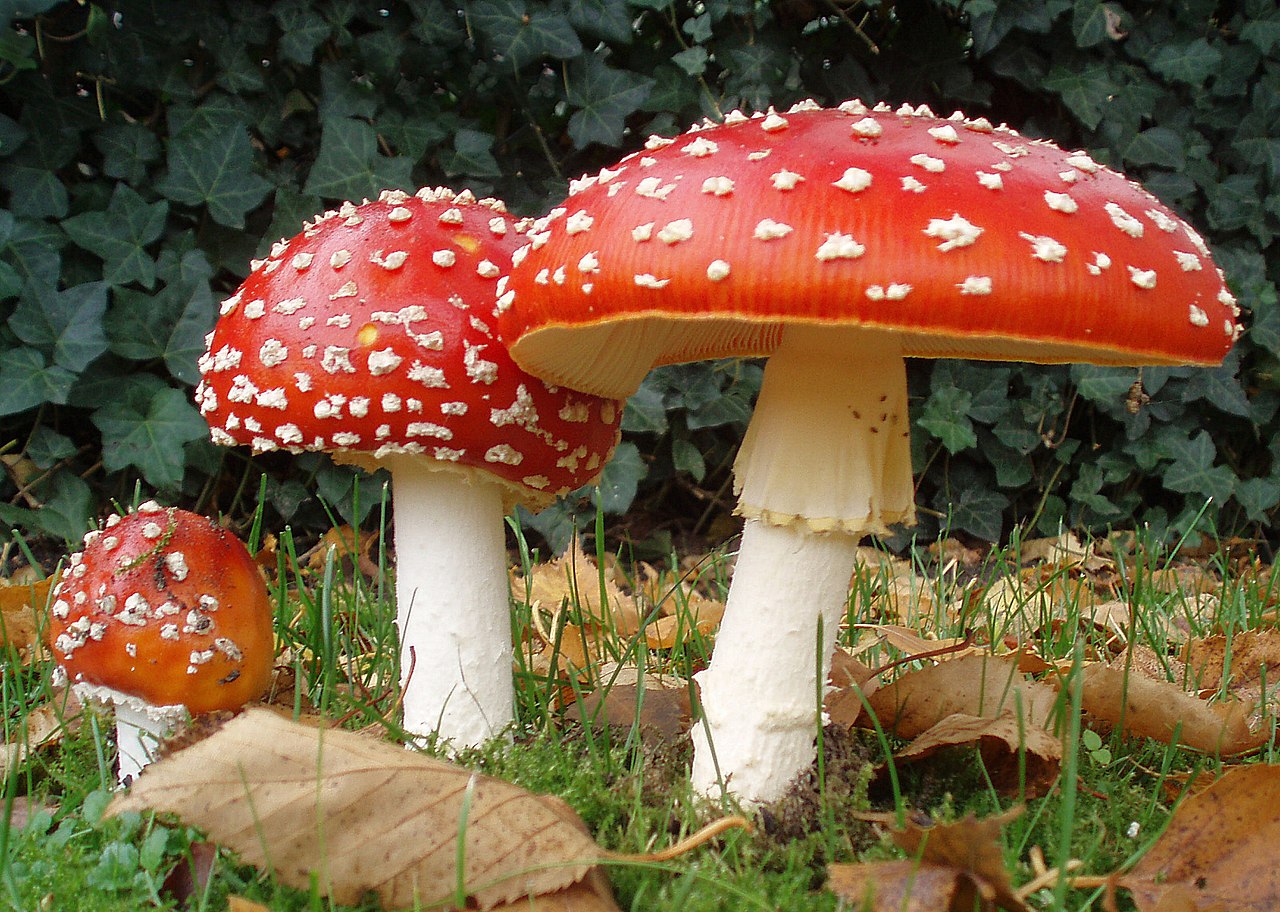





Categories and characteristics
Hallucinogens are commonly grouped into three categories: classical psychedelics, dissociatives, and deliriants. Classical psychedelics—sometimes called psychedelic drugs—include substances such as lysergic acid diethylamide (LSD), psilocybin (from "magic" mushrooms) and mescaline; they typically act on serotonin receptors and produce altered sensory integration and enhanced introspection. Dissociatives, linked to dissociation, such as ketamine or phencyclidine (PCP), create a sense of detachment from the body or surroundings by blocking NMDA-type glutamate receptors. Deliriants produce true confusion or delirium, with less predictable hallucinations and greater risk of dangerous behavior; examples include certain anticholinergic plants and drugs.
History and cultural context
Use of mind-altering plants and preparations likely predates recorded history and has been integrated into cultic and religious practices across many societies. Anthropological and historical records document ritual use by Indigenous cultures in the Americas, Africa and Asia; ritual contexts and ceremonial guidance strongly shape outcomes. In the 20th century, laboratory research and recreational use expanded, followed by legal restrictions; recent decades have seen renewed clinical research into therapeutic potential.
Uses, research and therapeutic interest
Beyond recreational use, certain hallucinogens are being studied for psychiatric and neurological applications: psilocybin and MDMA (a related entactogen) have shown promise in trials for depression, addiction and PTSD, and ketamine is used clinically for treatment-resistant depression. Research focuses on controlled, supervised administration to maximize potential benefits and reduce harms. Some communities also continue to use hallucinogens in structured religious or healing ceremonies, where set and setting are emphasized.
Risks, dependence and emergency care
Risks vary by class. Physical dependence is uncommon with classical psychedelics, but psychological misuse and risky behavior can occur. Some substances—particularly certain dissociatives and deliriants—carry higher toxicity and abuse potential. Claims that "most hallucinogens are highly addictive" are misleading; dependence and tolerance differ between drugs, and repeated use can produce tolerance (tolerance) or psychological compulsions (addiction potential) in some cases. Severe reactions include prolonged psychosis, dangerous disorientation, or life-threatening physiological effects; such situations require immediate professional help (medical emergency).
Distinctions and notable facts
Important distinctions: a hallucination is a perception without external stimulus, while an illusion is a distorted perception of a real stimulus. The term "hallucinogen" is broad and overlaps with "psychedelic," "psychotomimetic," and other labels; precision matters in clinical and legal contexts. Harm reduction emphasizes accurate information, sober supervision during use, appropriate dosing, and screening for personal or family history of psychosis. For further introductory resources and reviews, see sources linked below.
Related articles
Author
AlegsaOnline.com Hallucinogens: types, effects, history, uses and risks Leandro Alegsa
URL: https://en.alegsaonline.com/art/41958