
Gulf of Mexico: geography, ecology, resources, and hazards
A comprehensive overview of the Gulf of Mexico covering its location, physical characteristics, geology, ecosystems, economic importance and major environmental challenges.
Overview
The Gulf of Mexico is a large ocean basin and marginal sea of the Atlantic Ocean, bounded by the United States to the north, Mexico to the west and south, and Cuba to the southeast. It links to the broader Atlantic system through the Straits of Florida and to the Caribbean via the Yucatán Channel. Because these openings are relatively narrow compared with the basin, tidal ranges in the Gulf are generally small. The region supports a mix of tropical and subtropical climates and a long history of human settlement, commerce and maritime activity.
Image gallery
10 Images



Physical characteristics
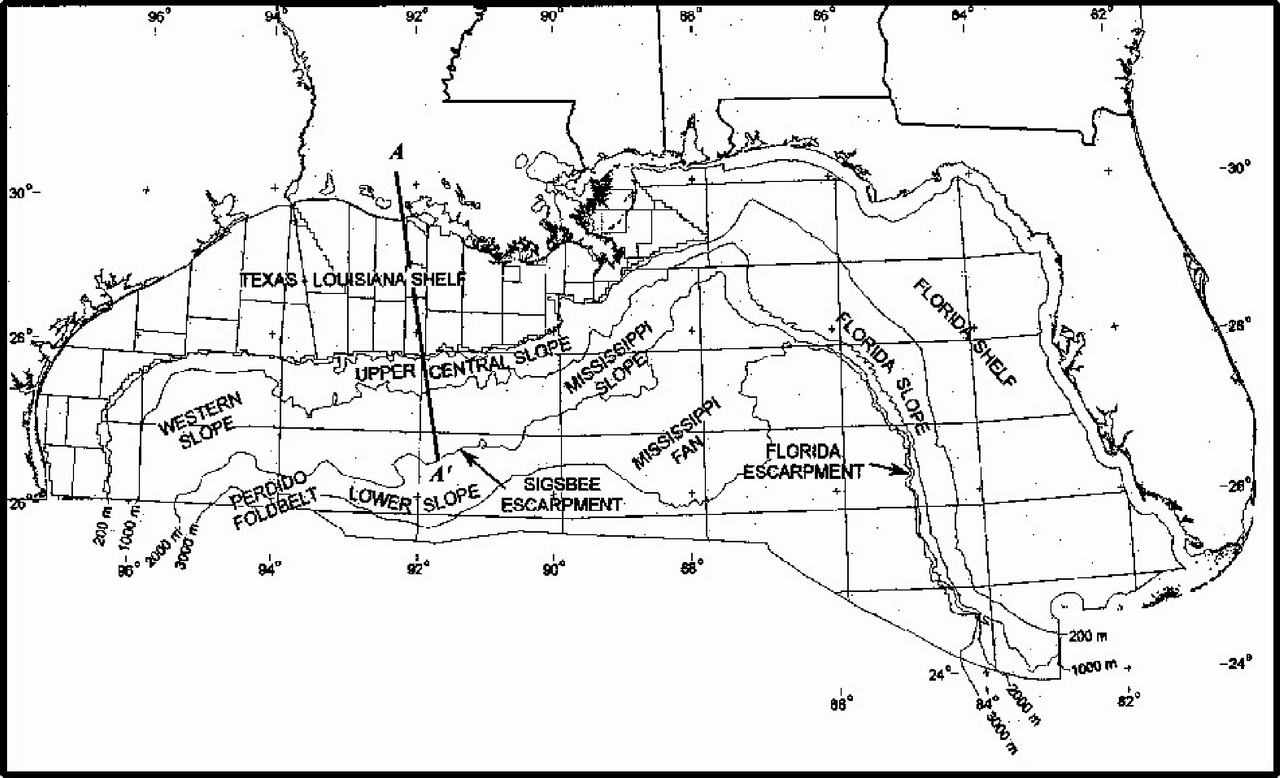
The Gulf covers roughly 1.6 million square kilometres and includes extensive shallow continental shelves as well as deeper central basins. About half of the area consists of shelf waters that support productive coastal habitats. The water circulation is dominated by the Loop Current, which feeds into the Gulf Stream, influencing regional climate and the transport of heat and marine life. Nutrient-rich river inflows, notably from the Mississippi, sustain high plankton productivity and extensive seagrass beds that underpin food webs and coastal fisheries.
Geology and formation
Formed by plate tectonic processes during the Mesozoic and late Paleozoic eras, the Gulf basin has a complex geologic history that created sedimentary basins ideal for hydrocarbon formation. Sediment deposition from continental rivers and long geological timescales produced reservoirs and structural traps — conditions that have made parts of the northern and western Gulf prolific for petroleum and natural gas exploration.
Ecology and economic uses
The Gulf supports diverse ecosystems: coastal marshes and mangroves, seagrass meadows, coral patches, and open-ocean communities. These habitats provide nursery and feeding grounds for commercially important species such as shrimp, crabs, finfish and menhaden, making the Gulf a major fishing region. Offshore oil and gas production is also a key economic activity, with long-standing platforms and newer deepwater operations. Shipping, tourism and recreation along the shoreline are additional economic drivers.
Hazards and environmental challenges
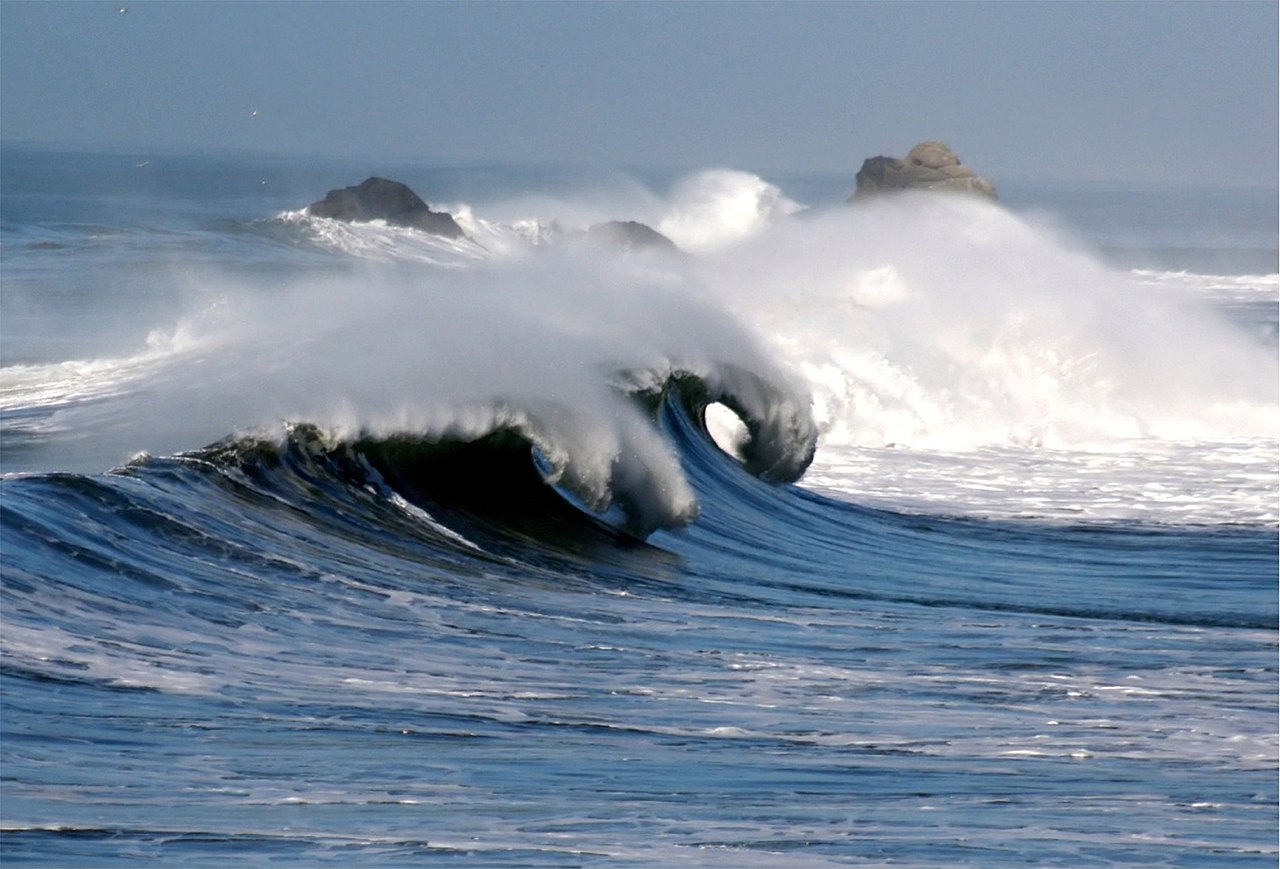
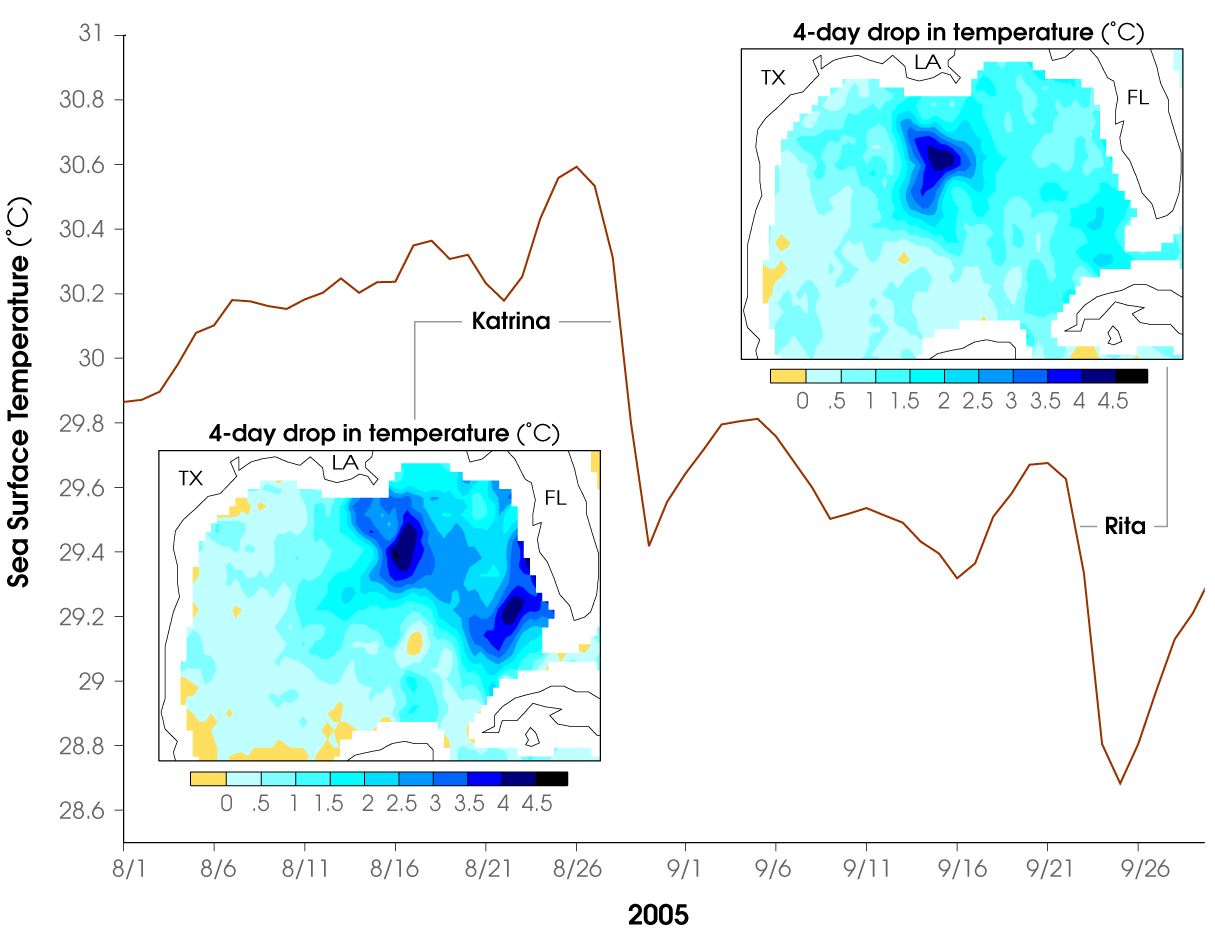
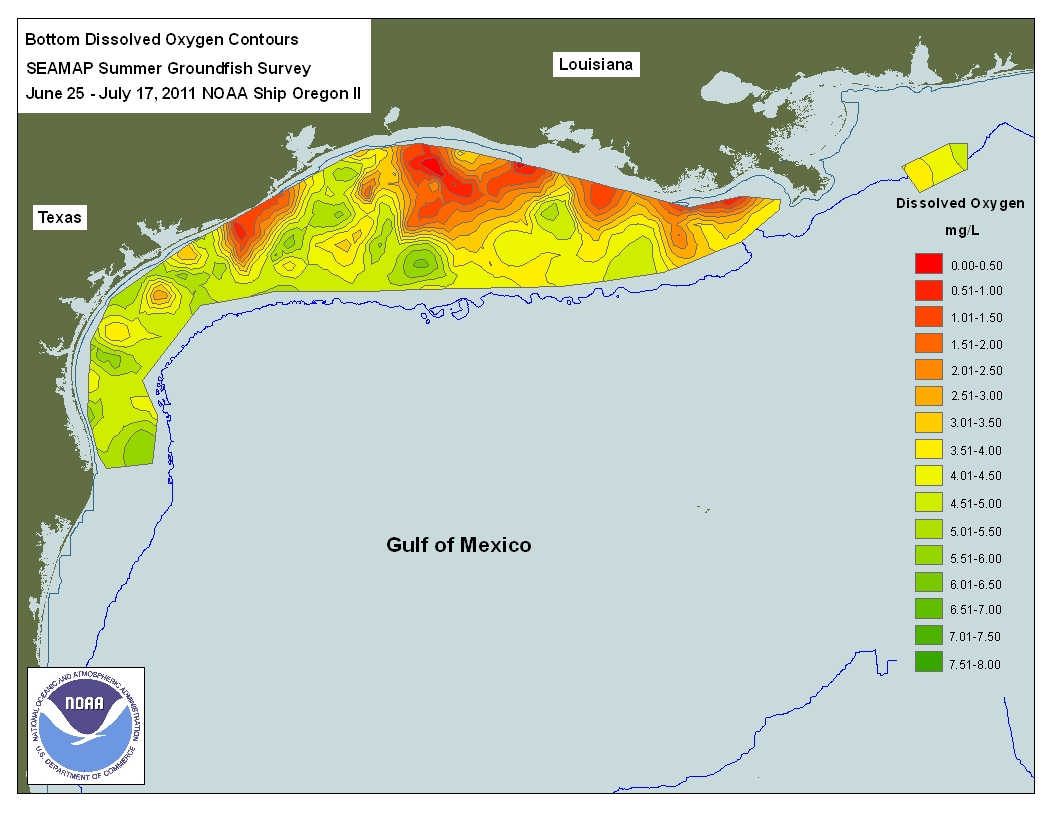
The region is prone to strong tropical storms and hurricanes that can cause severe coastal damage, disrupt energy infrastructure, and trigger pollution incidents. Notable storms have damaged platforms and coastal communities in recent decades. Oil spills, habitat loss, nutrient runoff causing hypoxic zones, and the effects of climate change on sea level and storm intensity are persistent environmental concerns requiring coordinated monitoring and management.
Distinctions and notable facts
- The Gulf functions as a semi-enclosed marginal sea of the Atlantic, with distinctive circulation patterns that link it to the Caribbean and North Atlantic.
- Its shallow continental shelves create productive fisheries and sensitive coastal habitats.
- Geologically, the basin contains important petroleum resources formed over millions of years and exploited by both nearshore and deepwater drilling.
Further links
- Marginal sea (general information)
- North America (regional context)
- United States (coastal states)
- Mexico (Gulf coast states)
- Cuba (southern margin)
- Countries bordering the Gulf
- Straits of Florida
- Atlantic Ocean (connection)
- Yucatán Channel
- Caribbean Sea
- Continental shelf areas
- Plankton productivity
- Seagrass habitats
- Petroleum resources
- North and west Gulf coasts
- Hurricanes and storm activity
- Hurricane Katrina (example)
- Hurricane Rita (example)
- Impacts on oil infrastructure
- Fishing industry in the Gulf
- Plate tectonics and basin formation
Related articles
Author
AlegsaOnline.com Gulf of Mexico: geography, ecology, resources, and hazards Leandro Alegsa
URL: https://en.alegsaonline.com/art/41374