
Marginal sea
A marginal sea is a partially enclosed portion of an ocean adjacent to the coast, shallower and more influenced by land and rivers than the open ocean; classification and examples vary by discipline.
Overview
A marginal sea is a subdivision of an ocean lying between the open ocean and the landward coastal zone. It is typically partially enclosed by islands, peninsulas or continental margins and communicates with the open ocean through one or more straits or wide openings. These seas are shallower and more directly affected by terrestrial inputs than the deep ocean basins. For a general definition of the larger body it belongs to, see ocean.
Image gallery
9 Images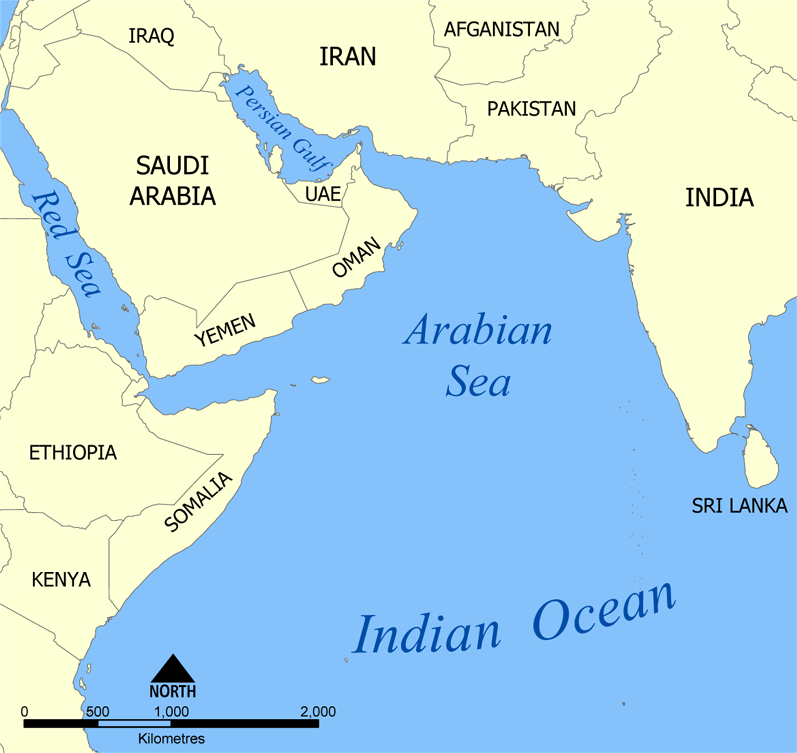





Physical characteristics
Marginal seas share a set of physical traits: reduced depth relative to the abyssal plain, extensive continental shelf areas, complex coastline geometry, and stronger influence from river discharge and atmospheric forcing. Their water properties—temperature, salinity and turbidity—often form gradients from shore to open ocean. Coastal processes and localized circulation patterns, such as gyres, estuarine flows or seasonal upwelling, are common.
Formation and development
Many marginal seas originated through plate tectonics, sea‑level change and erosion. They may sit in broad continental embayments, behind island arcs, or in basins blocked by sills and straits. Over geological time, sediment delivered by rivers can fill margins and create shallow shelves and deltas, further differentiating them from the adjacent open ocean.
Ecological and human importance
Because they receive nutrients from land and support productive coastal shelves, marginal seas are often biologically rich and important for fisheries. They host habitats such as estuaries, salt marshes and coral communities and act as migration corridors for marine life. Human uses include shipping lanes, ports, fishing grounds, offshore energy production and coastal tourism. They are also zones where pollution and habitat change from coastal development are concentrated.
Classification, examples and disputes
There is no single, universally accepted rule set for naming and classifying marginal seas, so some bodies of water may be described differently by oceanographers, geographers and political entities. Commonly cited examples include the North Sea, the Baltic Sea, the Sea of Japan and the Caribbean Sea. More restricted basins such as gulfs or bays may be treated as marginal seas by some authors. For discussion of coastal definitions see coastal zone, and for lists of named seas see examples and references.
Notable distinctions
- Marginal sea vs. inland sea: Inland seas are more completely surrounded by land and may have limited oceanic exchange.
- Marginal sea vs. gulf or bay: Gulfs and bays are often considered smaller or more enclosed, but usage varies by language and tradition.
- Legal and environmental status: Marginal seas can cross national jurisdictions, making management and conservation a cooperative international challenge.
Related articles
Author
AlegsaOnline.com Marginal sea Leandro Alegsa
URL: https://en.alegsaonline.com/art/61775
Sources
- waterencyclopedia.com : "Marginal Seas"
- sciencedirect.com : "Marginal Sea"
- scholastic.com : "Dimensions of the Oceans and Marginal Seas"
- books.google.com : Handbook on Ocean Politics & Law
- books.google.com : 14