
Plate tectonics: the structure, processes, and effects of Earth's moving plates
Plate tectonics is the unifying theory that describes the rigid lithosphere divided into plates whose interactions shape Earth’s surface, driving earthquakes, volcanism, mountain building and continental motion.
Overview
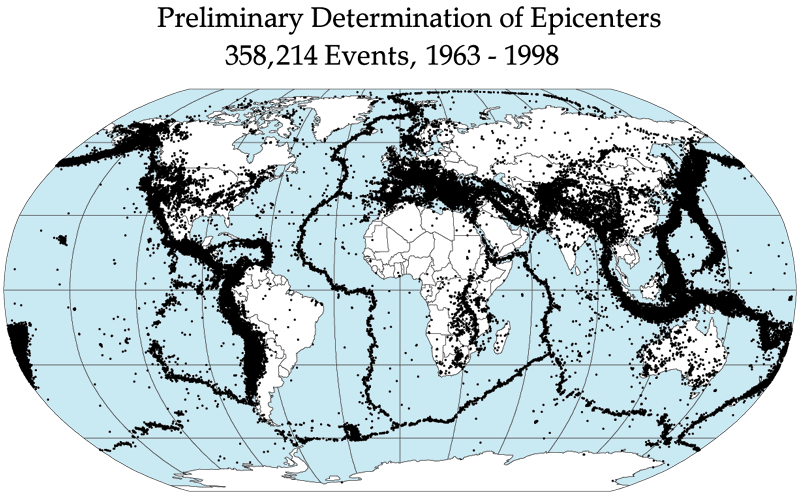
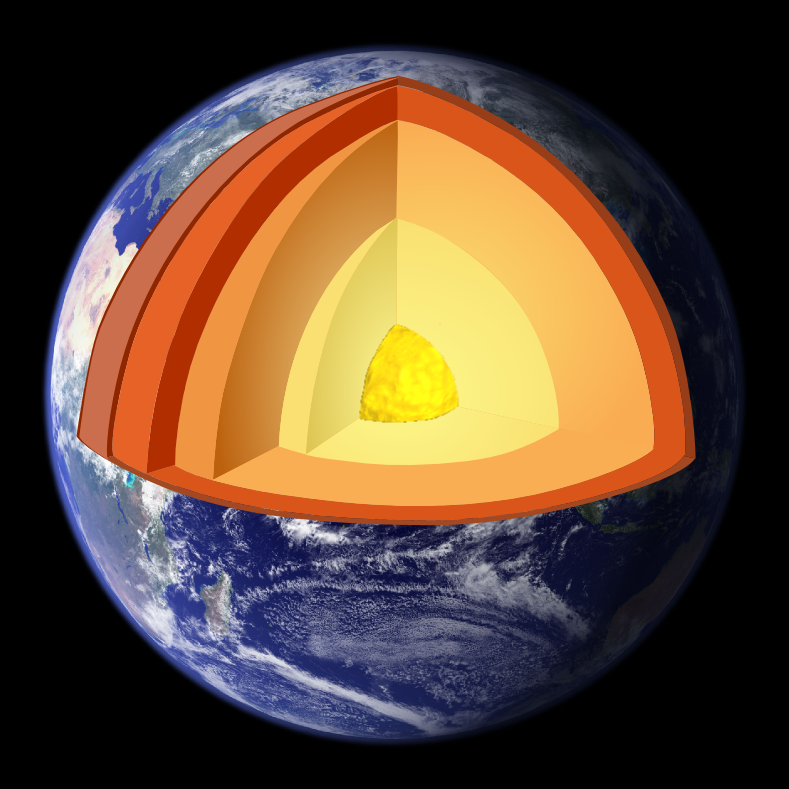
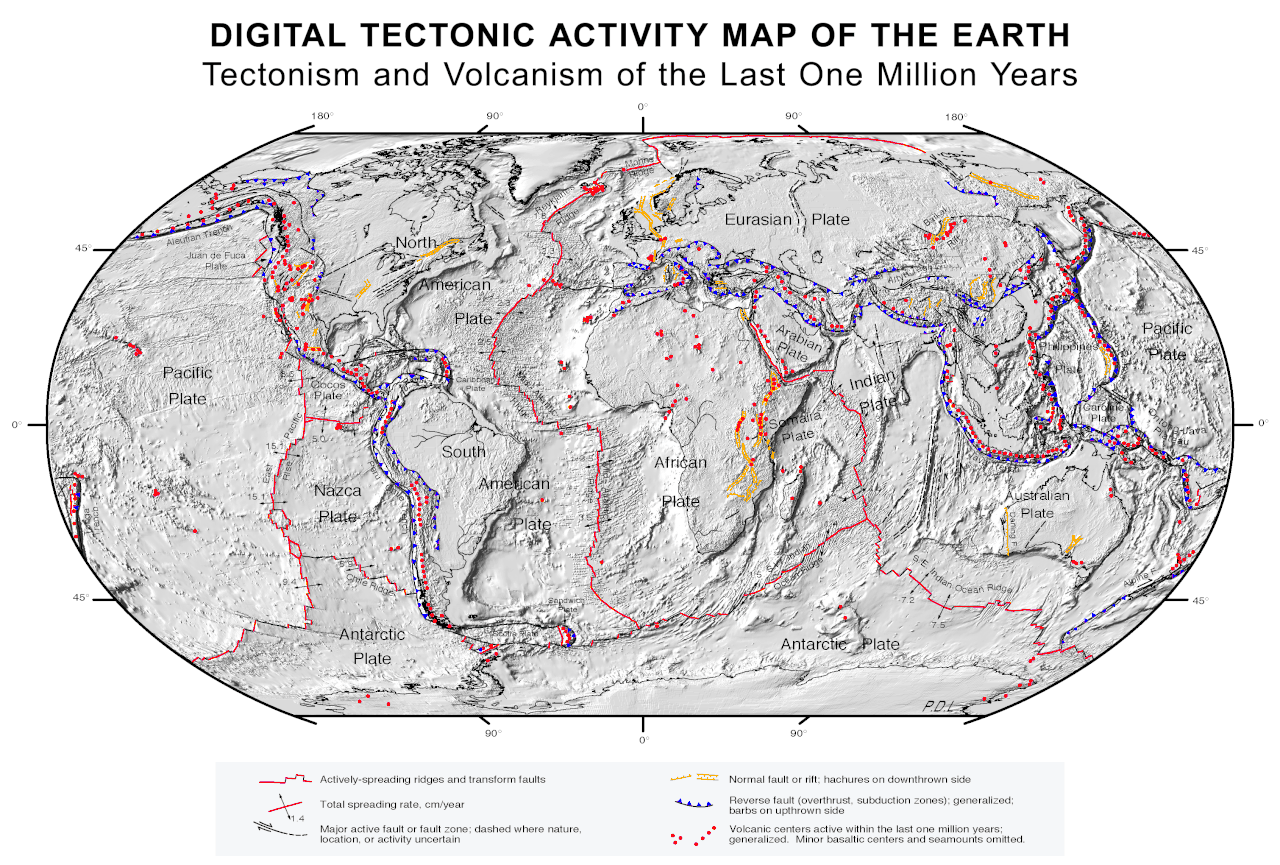
Plate tectonics is the scientific framework that explains how Earth's outer shell is broken into several large and many smaller rigid plates. These plates, composed of the crust and the uppermost mantle (the lithosphere), move relative to one another above a weaker, deformable layer called the asthenosphere. The theory accounts for the distribution of continents and ocean basins and provides a coherent explanation for earthquakes, volcanoes, mountain ranges, and the match of geological features across oceans. For a general introduction, see basic resources on plate tectonics.
Image gallery
8 Images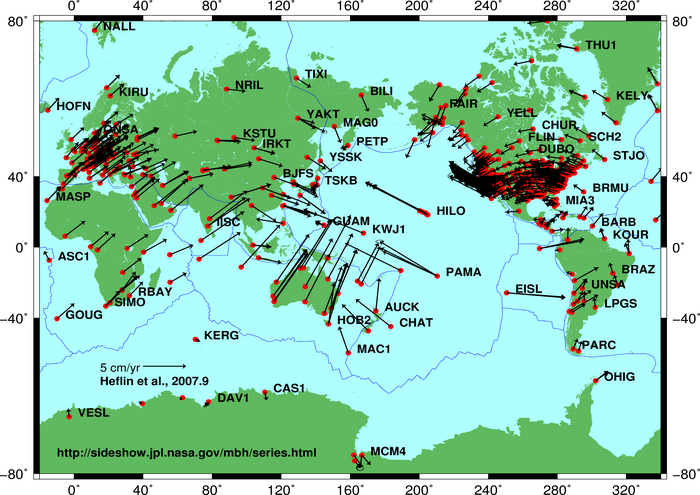



Parts and characteristics
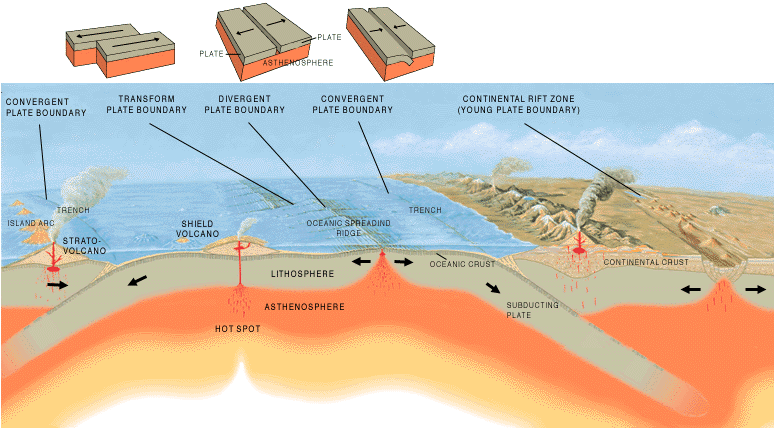
Each tectonic plate includes oceanic crust, continental crust, or both. Plates fit together like a jigsaw and interact along plate boundaries. The main types of boundaries are described below and illustrated in many educational sources such as educational pages:
- Divergent boundaries — where plates move apart and new crust forms, typically at mid-ocean ridges.
- Convergent boundaries — where plates collide, producing subduction zones or continental collisions that build mountain belts.
- Transform boundaries — where plates slide past one another, producing strike-slip earthquakes.
Driving mechanisms and current questions
Heat from Earth's interior supplies energy for plate motion. Several processes contribute: mantle convection, slab pull as a dense plate sinks into the mantle, and ridge push from elevated mid-ocean ridges. The relative importance and details of these mechanisms remain active research topics; summaries and scientific overviews can be found at research summaries and review articles.
History and development of the idea
Early observations that continents fit together led Alfred Wegener to propose continental drift in the early 20th century. The idea gained broad acceptance in the 1960s after discoveries of seafloor spreading, magnetic striping on the ocean floor, and a global pattern of earthquakes and volcanoes. These lines of evidence were integrated into the plate tectonics paradigm, which replaced earlier, less comprehensive models. For historical context, consult historical notes.
Importance and modern implications
Plate tectonics shapes Earth's long-term climate, controls the distribution of mineral and hydrocarbon resources, and underlies many natural hazards. Knowledge of plate interactions informs earthquake and volcanic hazard assessment, guides exploration, and helps interpret past continental arrangements and biological distributions. Comparative planetology considers why plate tectonics operates on Earth but appears absent or different on many other planets and moons; see comparative studies for more.
While the broad outlines of plate tectonics are well established, active research continues into coupling between mantle and plates, the initiation of plate boundaries, and tectonic behavior through Earth's history.
Questions and answers
Q: What is plate tectonics?
A: Plate tectonics is a theory of geology that explains the movement of the Earth's lithosphere, which is the Earth's crust and the upper part of the mantle.
Q: What is the lithosphere?
A: The lithosphere is the Earth's crust and the upper part of the mantle.
Q: How is the lithosphere divided?
A: The lithosphere is divided into plates, some of which are very large and can be entire continents.
Q: What is the source of energy driving plate tectonics?
A: Heat from the mantle is the source of energy driving plate tectonics.
Q: Is the mechanism driving plate tectonics fully understood?
A: No, exactly how the mechanism driving plate tectonics works is still a matter of debate.
Q: What is the definition of the mantle?
A: The mantle is the layer of the Earth between the crust and the core, and is made up of mostly solid rock.
Q: Does plate tectonics only affect the Earth's crust?
A: No, plate tectonics affects the Earth's crust and the upper part of the mantle, as this is the lithosphere.
Related articles
Author
AlegsaOnline.com Plate tectonics: the structure, processes, and effects of Earth's moving plates Leandro Alegsa
URL: https://en.alegsaonline.com/art/77335
Sources
- platetectonics.com : "Plate Tectonics: Plate boundaries"
- doi.org : 10.1126/science.288.5473.2002
- pubmed.ncbi.nlm.nih.gov : 10856206
- hypertextbook.com : "Speed of the continental plates"