
Gulf of Oman: geography, history, ecology and strategic importance
The Gulf of Oman is the seaway between the Arabian Sea and the Strait of Hormuz, bordering Iran, Pakistan, Oman and the UAE. It is a key maritime corridor with distinct ecology and long human history.
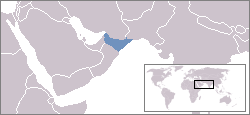
The Gulf of Oman is the body of water that links the Arabian Sea to the Strait of Hormuz and, beyond it, the Persian Gulf. Situated at the northeastern edge of the Arabian Sea, the gulf forms a maritime corridor between South Asia and the Middle East. It is traditionally shown on maps under older names such as the Sea of Oman and remains central to regional geography and trade. See the wider region on maps of the Arabian Sea.
Image gallery
10 Images



Location and bordering lands
The gulf is bounded to the north by parts of Iran and southwestern Pakistan, and to the south by the coasts of Oman and the United Arab Emirates. Major coastal cities and ports along its shores include Bandar Abbas, Gwadar, Muscat and Fujairah, which serve commercial shipping, fishing fleets and naval facilities.
Physical characteristics
Shaped by regional tectonics and sea-level changes, the gulf has a broad, open connection to the Arabian Sea and a gradual seabed that supports varied marine habitats. Its currents and water exchanges with the Persian Gulf through the Strait of Hormuz influence salinity and nutrient flows. Seasonal winds and monsoon influences affect surface conditions and navigation.
Ecology and natural resources
The Gulf of Oman supports productive fisheries, coral assemblages in some littoral zones, and coastal ecosystems such as mangrove stands and seagrass beds. Marine mammals and migratory seabirds use the area. Natural resources and human uses include commercial fishing, limited aquaculture, offshore hydrocarbons in neighboring basins, and seabed habitats that require conservation measures where industrial activity is intense.
History and human use
For millennia the waters served as a maritime route for traders, sailors and empires linking the Indian Ocean with Persian Gulf civilizations. In modern times the gulf is an essential transit for energy exports, commercial cargo and fisheries. Ports along its coasts have long histories as trading entrepôts and continue to be important logistic hubs and ship repair centers.
Strategic importance and notable facts
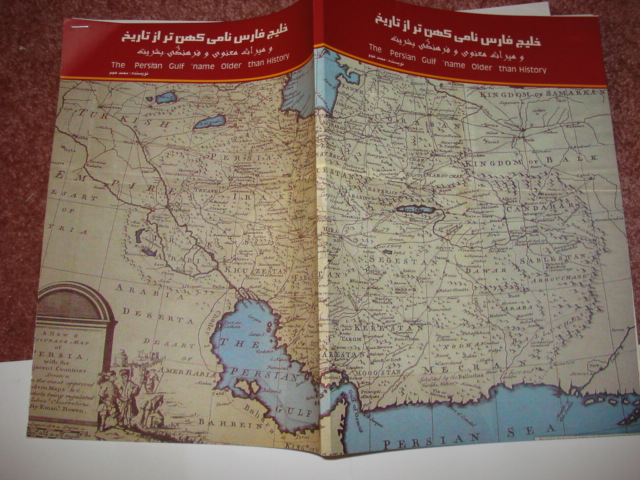
Because it connects to the Strait of Hormuz, the Gulf of Oman is part of a strategic sea lane for international oil shipments and global trade. That role has led to sustained naval presence, patrols and occasional security incidents. Distinct from the enclosed Persian Gulf, the Gulf of Oman opens directly into the wider Indian Ocean basin and is frequently labeled differently on historical and modern maps.
- Bordering countries: Iran, Pakistan, Oman, United Arab Emirates.
- Common uses: commercial shipping, fisheries, naval transit, regional trade.
- Historical name: often called the Sea of Oman on older charts.
Related articles
Author
AlegsaOnline.com Gulf of Oman: geography, history, ecology and strategic importance Leandro Alegsa
URL: https://en.alegsaonline.com/art/41376
Sources
- persiangulfonline.org : persiangulfonline.org