
Gulf of Naples: geography, history, ecology and coastal culture
A coastal gulf on Italy's southwestern shore centered on Naples, noted for its islands, Mount Vesuvius, Roman archaeological sites and busy tourism, shipping and marine habitats.
Overview
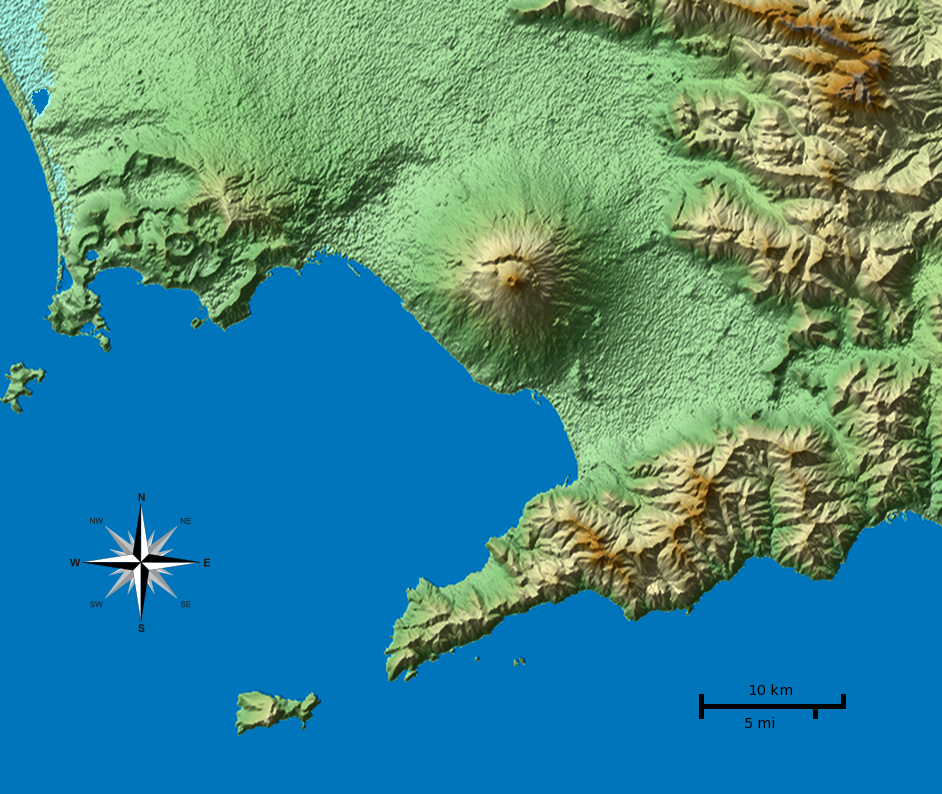
The Gulf of Naples, known in Italian as the Golfo di Napoli, is a shallow bay on the southwestern coast of Italy. Framed by the city of Naples to the north and by the Sorrentine Peninsula to the south, the gulf opens westward into the Mediterranean Sea. Administratively the shoreline lies within the province often identified with the city and the wider Campania region, making the gulf a focal point for urban life, culture and commerce.
Image gallery
4 Images


Geography and major features
The gulf is bounded by several well-known landmarks. On its eastern flank stands Mount Vesuvius, the active volcano that overlooks the bay. To the south the Sorrentine Peninsula separates the Gulf of Naples from the neighbouring Gulf of Salerno. The coastal area includes the municipality cluster of the greater Naples province, historic port towns and seaside resorts.
Islands and attractions
Several islands lie within the gulf and are popular destinations for day trips and longer stays. Principal islands include:
- Capri — famed for its dramatic cliffs, Blue Grotto and upscale tourism;
- Ischia — known for thermal springs and greenery;
- Procida — a smaller island with colorful harbours and traditional fishing culture.
Along the shoreline are world-famous archaeological sites such as Pompeii and Herculaneum, preserved under volcanic material after the AD 79 eruption of Vesuvius. These ruins, together with classical and medieval remains, make the gulf an outstanding area for historical tourism and study.
History and cultural significance
The Gulf of Naples has been occupied and navigated since antiquity. Greek, Roman and later civilizations developed ports, villas and trade networks along its shores. The combination of fertile volcanic soils, easy sea access and scenic coasts helped establish dense settlement and a rich material culture visible today in museums, excavations and living traditions.
Ecology, wildlife and tourism
The gulf supports diverse marine and coastal habitats ranging from seagrass beds to rocky reefs. Migratory and resident marine mammals and seabirds are occasionally observed; for example, fin whales and other large cetaceans have been reported in nearby sectors such as the Gulf of Pozzuoli, drawing scientific and public interest (sightings). The region balances conservation concerns with high visitor numbers: beaches, protected coastal areas and marine reserves form parts of ongoing management efforts to reduce pollution and habitat loss.
Transport, economy and modern use
Maritime traffic in the gulf includes local ferries linking islands and mainland ports, commercial shipping, and recreational boating. The economy combines tourism, fishing, port services and light industry. Authorities and heritage organisations work to protect archaeological sites and maintain infrastructure while supporting the significant tourism industry that depends on the gulf's natural and cultural attractions. For further historical and practical information, see resources on regional governance and cultural heritage (Roman and later history).
Visitors are advised to plan for seasonal crowds, check local conservation rules at marine protected areas, and respect archaeological sites. The Gulf of Naples remains a globally recognized coastal landscape where geology, history and contemporary coastal life intersect.
Related articles
Author
AlegsaOnline.com Gulf of Naples: geography, history, ecology and coastal culture Leandro Alegsa
URL: https://en.alegsaonline.com/art/41375
Sources
- incampania.com : Gulf of Naples islands
- youtube.com : "balena nel golfo di pozzuoli"