
Gulf of Venice — northern Adriatic gulf bordering Italy, Slovenia and Croatia
Shallow northern arm of the Adriatic Sea extending from the Po delta to the Istrian peninsula. Important for ports, fisheries, lagoons (Venice), coastal wetlands and regional maritime history.
The Gulf of Venice is the northernmost arm of the Adriatic Sea, extending roughly from the Po river delta eastward toward the Istrian peninsula. It is known in Italian as Golfo di Venezia, in Slovene as Benátsky záliv and in Croatian as Venecijanski zaljev. The gulf is a shallow marine basin that borders Italy, Slovenia and Croatia, and is often referenced simply as a gulf of the northern Adriatic.
Image gallery
5 Images


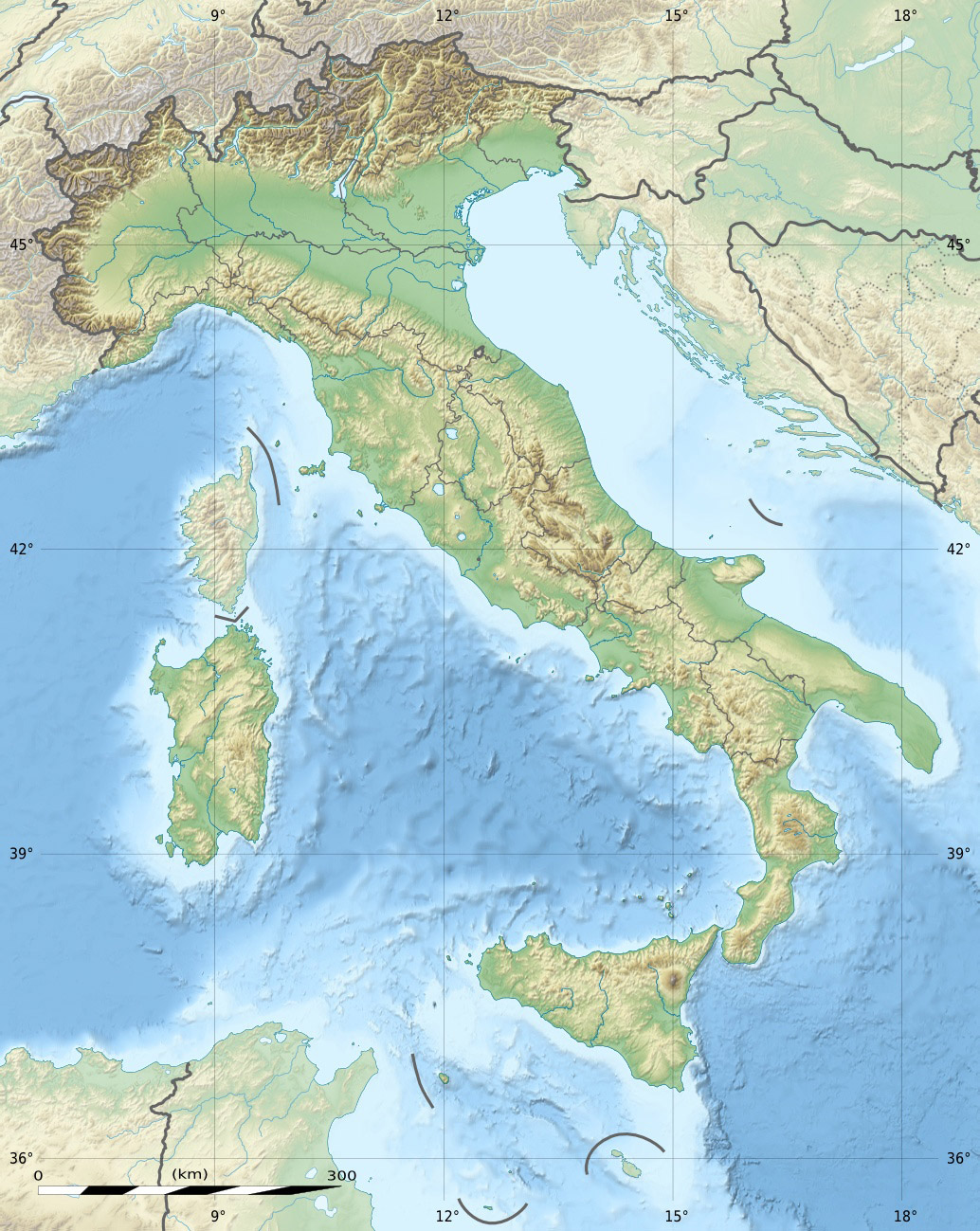
Geography and physical characteristics
The Gulf of Venice is characterized by broad continental shelves, low-lying coasts and complex lagoon systems. Major freshwater inputs influence its salinity and circulation: the Po river, together with several smaller rivers and estuaries, carries sediment and nutrients into the gulf, shaping deltas and barrier islands. The Venetian Lagoon sits along its western shore and includes a dense network of tidal channels, marshes and reclaimed salt pans.
Coastal cities and infrastructure
Coastal settlements around the gulf range from historic maritime cities to modern ports. Notable urban centers and harbors include Venice and Chioggia in Italy, Trieste near the northeastern corner, Ravenna further south, and coastal towns of Slovenia and Croatia such as Koper and Rovinj. These places combine passenger tourism, commercial shipping and local fisheries.
History and cultural importance
Since antiquity the gulf has served as a corridor for trade, naval activity and cultural exchange between western and eastern Mediterranean worlds. The Republic of Venice rose to prominence by controlling routes and producing salt, shipbuilding and maritime law tied to these waters. Archaeological remains and centuries-old ports testify to long-standing human use of the coastline.
Uses, ecology and contemporary issues
Today the gulf supports fishing, aquaculture, tourism and port operations, while also hosting important wetlands and bird migration stopovers. Environmental concerns include pollution from urban and agricultural runoff, eutrophication, shoreline erosion and the impacts of sea-level rise. Management efforts balance navigation and economic activities with conservation of lagoons and coastal habitats; local and international initiatives address flood protection and habitat restoration.
Distinctive points
- The Gulf of Venice is the northern portion of the Adriatic and should not be confused with the smaller Gulf of Trieste at its northeastern extreme.
- Its lagoon systems, especially the Venetian Lagoon, are globally recognized for their cultural and ecological value.
- Regional cooperation among Italy, Slovenia and Croatia shapes policies on shipping, fisheries and coastal protection.
Questions and answers
Q: What is the Gulf of Venice?
A: The Gulf of Venice is a body of water that borders Italy, Slovenia, and Croatia.
Q: What is the Italian name for the Gulf of Venice?
A: The Italian name for the Gulf of Venice is Golfo di Venezia.
Q: What is the Slovene name for the Gulf of Venice?
A: The Slovene name for the Gulf of Venice is Benátsky záliv.
Q: What is the Croatian name for the Gulf of Venice?
A: The Croatian name for the Gulf of Venice is Venecijanski zaljeve.
Q: Which countries share a border with the Gulf of Venice?
A: The Gulf of Venice borders Italy, Slovenia, and Croatia.
Q: Is the Gulf of Venice a large body of water?
A: The size of the Gulf of Venice is relative, but it is a notable body of water due to its location and surrounding countries.
Q: What is the importance of the Gulf of Venice?
A: The Gulf of Venice is important for the fishing industry and trade among the surrounding countries.
Related articles
Author
AlegsaOnline.com Gulf of Venice — northern Adriatic gulf bordering Italy, Slovenia and Croatia Leandro Alegsa
URL: https://en.alegsaonline.com/art/41381