
Tropical cyclone: formation, structure, impacts and distinctions
A tropical cyclone is a large rotating storm that forms over warm ocean waters. This article explains how they form, their structure, hazards, lifecycle, forecasting and key differences (hurricane, typhoon, cyclone).
Overview
A tropical cyclone is a large, organized system of thunderstorms and strong winds that develops over warm ocean waters. These storms derive energy from heat and moisture evaporating from the sea surface and are characteristically circular with a central calm area called the eye. Depending on where they occur and local naming conventions they are often called hurricanes, typhoons or simply cyclones. They are a major component of tropical and subtropical weather and can cause severe winds, heavy rainfall and coastal flooding.
Image gallery
10 Images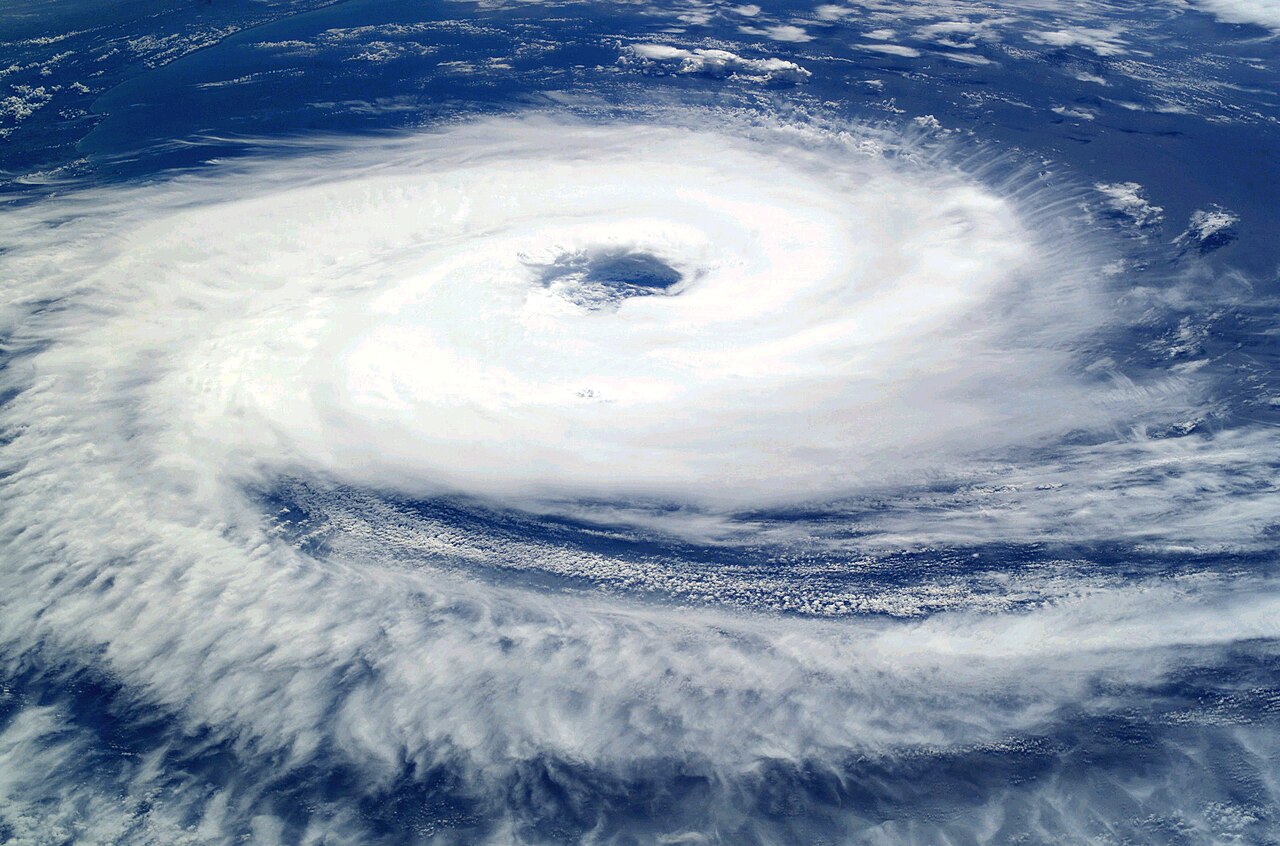




Formation and essential conditions
Tropical cyclones typically form over warm ocean waters in the Earth's tropical belts. Several conditions favour development: sea surface temperatures generally above about 27°C, abundant moisture in the lower and middle troposphere, an unstable atmosphere that promotes convective updrafts, and sufficient distance from the Equator so the Coriolis effect can impart rotation. Initial disturbances often begin as clusters of thunderstorms. When persistent convection concentrates and a low‑pressure centre develops, organized rotation can intensify into a tropical cyclone.
Structure and parts
Well-developed tropical cyclones share a similar internal structure. The eye at the center is usually calm and cloud‑free or only lightly clouded. Surrounding the eye is the eyewall, a ring of the most intense thunderstorms producing the strongest winds and heaviest rain. Beyond the eyewall are curved rain bands that spiral outward and bring intermittent storms and gusty winds. The entire system is fueled by warm, humid air rising from the ocean surface and condensing to release latent heat.
Movement, lifecycle and weakening
After formation, tropical cyclones are steered by large‑scale atmospheric flow and typically move westward in the tropics before recurving poleward when they encounter mid‑latitude currents. Their intensity can fluctuate: they may strengthen rapidly over sufficiently warm water and weaken when crossing cooler waters, interacting with land, or encountering strong vertical wind shear. Once cut off from warm, moist ocean air—such as when they move ashore—they begin to decay and often transition into extratropical systems.
Hazards and impacts
Tropical cyclones produce multiple hazards that vary by storm strength and environment:
- High winds: Can damage structures, uproot trees and loft debris.
- Heavy rainfall and inland flooding: Widespread, slow‑moving storms can drop enormous amounts of rain.
- Storm surge and coastal inundation: Wind-driven sea level rise can flood low-lying coastal areas.
- Secondary hazards: Landslides, river flooding and prolonged power outages often follow landfall.
Because of these dangers many countries use warning systems and evacuation plans to reduce loss of life and property.
Forecasting, classification and notable distinctions
Meteorological agencies monitor tropical cyclones using satellites, aircraft reconnaissance, surface observations and numerical weather prediction models. Intensity is commonly communicated using scales such as the Saffir‑Simpson Hurricane Wind Scale (for Atlantic and eastern Pacific storms) and regional scales elsewhere. Naming conventions differ by basin: storms with sustained winds above regional thresholds are given names to improve public communication. In different parts of the world the same phenomenon is referred to as a tropical cyclone, hurricane or typhoon, but the physical mechanisms are the same.
Importance and adaptation
Tropical cyclones play a role in global heat redistribution and the seasonal climate of many regions, but their immediate impacts on communities can be devastating. Improvements in forecasting, early warning systems, building codes and coastal planning have reduced fatalities in many places. Continued research focuses on intensity prediction, storm surge modeling and understanding possible changes in cyclone behaviour under a warming climate. For more technical resources and guidance see regional meteorological services and international organisations that track tropical cyclones.
Further reading and data are available from many national agencies and scientific organisations: convection and atmospheric studies, regional warnings at ocean and weather centres, general climate context at global climate portals, and historical storm archives at designated repositories (equatorial basin records, tropical cyclone databases, basin‑specific lists, eye structure analyses, and rainband studies).
Questions and answers
Q: What is a tropical cyclone?
A: A tropical cyclone is a circular air movement that starts over the warm ocean waters in the warm part of Earth near the Equator.
Q: What are the dangers of tropical cyclones?
A: Tropical cyclones can be dangerous because of flooding and because the winds pick up objects, including things as big as small boats. Tropical cyclones can throw these things at high speeds.
Q: How do tropical cyclones form?
A: Tropical cyclones, hurricanes or typhoons form when convection causes warm, moist air above the ocean to rise. They begin as a group of storms when the water gets as hot as 80 °F (27 °C) or hotter.
Q: What causes the winds in a tropical cyclone to rotate?
A: The Coriolis effect made by the Earth's rotation causes the winds in a tropical cyclone to rotate.
Q: What is the "eye of the storm" in a tropical cyclone?
A: The "eye of the storm" in a tropical cyclone is the center. It has little rain or wind.
Q: What is the heaviest area of rain and fastest winds in a tropical cyclone?
A: The heaviest area of rain and fastest winds in a tropical cyclone is the eye wall.
Q: How are tropical cyclones powered?
A: Tropical cyclones are powered by warm, humid ocean air.
Related articles
Author
AlegsaOnline.com Tropical cyclone: formation, structure, impacts and distinctions Leandro Alegsa
URL: https://en.alegsaonline.com/art/101663
Sources
- Tropical cyclones
- aoml.noaa.gov : "What is a hurricane, typhoon, or tropical cyclone?"
- weather.com : "From Hurricane to Typhoon: What Happens When Tropical Cyclones Cross the International Date Line?"
- aoml.noaa.gov : "Frequently Asked Questions: What are the upcoming tropical cyclone names?"
- nhc.noaa.gov : "Tropical Cyclone Naming History and Retired Names"
- aoml.noaa.gov : "How does the damage that hurricanes cause increase as a function of wind speed?"
- epirev.oxfordjournals.org : "Epidemiology of Tropical Cyclones: The Dynamics of Disaster, Disease, and Development"
- oe.netl.doe.gov : "Hurricane Katrina Situation Report #11"