
Hurricane Katrina: 2005 Atlantic storm, impact, and legacy
Hurricane Katrina was a major 2005 Atlantic hurricane whose landfall and resulting levee failures caused catastrophic flooding, widespread destruction along the Gulf Coast, and long-term social and policy consequences.
Overview
Hurricane Katrina formed in August 2005 and became one of the most destructive storms in United States history. It intensified rapidly over the Gulf of Mexico and is often cited among the strongest storms of that season, following other powerful systems. Katrina's combination of wind, heavy rain and storm surge produced catastrophic damage across parts of Louisiana, Mississippi and Alabama.
Image gallery
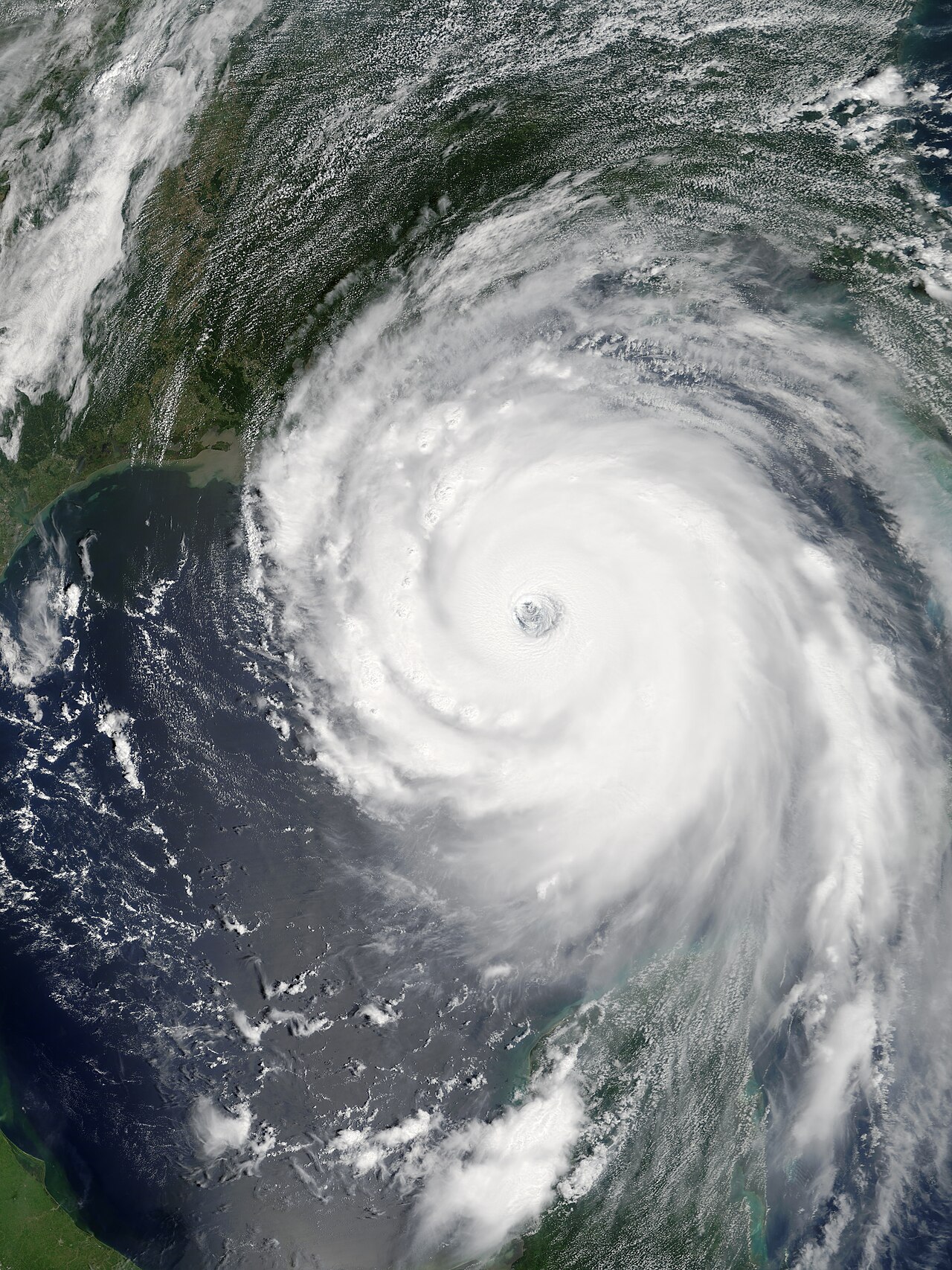
10 Images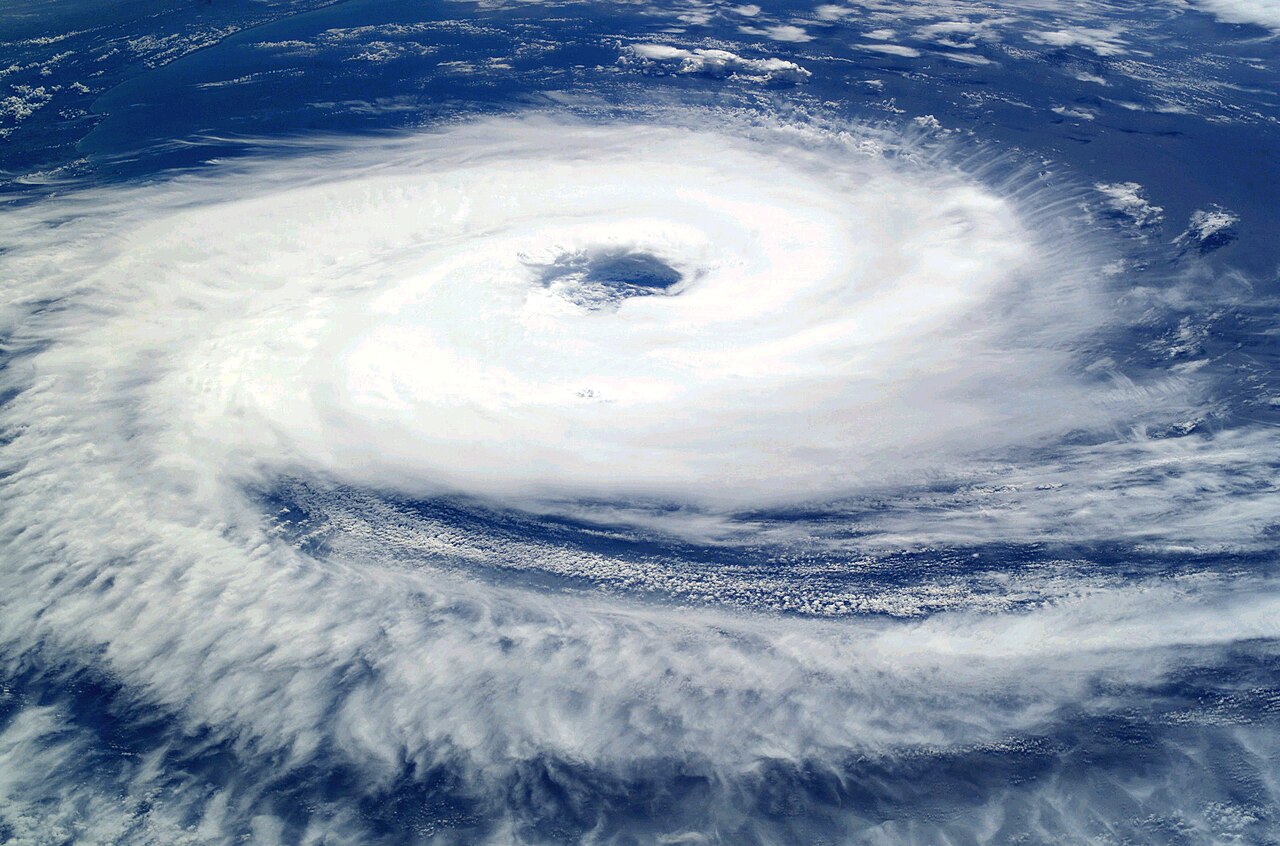


Meteorological development
The cyclone developed from a tropical wave and strengthened as it moved across the warm waters of the Gulf. Forecasters tracked its growth into a major hurricane; at peak intensity it reached Category 5 strength over open water before weakening slightly prior to landfall. For broader context, Katrina occurred during the record-setting 2005 Atlantic hurricane season and is associated with other high-end storms of that year. Technical summaries often discuss rapid intensification, eyewall structure, storm surge potential and rainfall distribution as keys to the storm's behavior (Category 5 is a term used to describe the most intense tropical cyclones on the Saffir–Simpson scale).
Impact and damage
The most severe effects followed extreme storm surge and subsequent breaches of flood protection systems around New Orleans. Large areas were inundated for days, forcing mass evacuations and displacing hundreds of thousands of residents. Coastal communities experienced extensive wind and water damage, destruction of homes, infrastructure outages and disruptions to transportation and commerce.
Human and economic consequences
- Significant loss of life and many injuries occurred across affected states.
- Economic losses were substantial, with long-term effects on housing, employment and local economies.
- Displacement, public health challenges and environmental contamination complicated recovery efforts.
Response, criticism and legacy
Relief operations involved local, state and federal agencies, military units and many non-governmental organizations. The scale of the disaster exposed weaknesses in disaster planning, emergency communications and infrastructure maintenance, prompting reviews of flood-control engineering, emergency management policy and urban resilience planning. Katrina influenced changes to levee design, evacuation procedures and federal disaster response protocols.
Notable facts and ongoing relevance
Beyond immediate destruction, Katrina became a touchstone in debates about climate impacts, urban planning and social vulnerability. Its social and political repercussions—on recovery funding, demographic shifts and regional economies—are studied as part of broader efforts to prepare for future major storms.
For more technical or historical details, consult meteorological summaries and post-storm investigations that document chronology, engineering analyses and lessons learned from the event.
Questions and answers
Q: What is Hurricane Katrina known for?
A: Hurricane Katrina is known for being one of the deadliest hurricanes to ever hit the United States and the second Category 5 hurricane of the 2005 Atlantic hurricane season.
Q: What was the Atlantic hurricane season like in 2005?
A: The 2005 Atlantic hurricane season was record-breaking.
Q: Was Hurricane Katrina a Category 5 hurricane?
A: Yes, Hurricane Katrina was a Category 5 hurricane.
Q: What year did Hurricane Katrina occur?
A: Hurricane Katrina occurred in 2005.
Q: Was Hurricane Katrina deadly?
A: Yes, Hurricane Katrina was one of the deadliest hurricanes to ever hit the United States.
Q: What was the impact of Hurricane Katrina?
A: Hurricane Katrina caused widespread destruction and devastation, particularly in New Orleans.
Q: How many hurricanes occurred in the 2005 Atlantic hurricane season?
A: It is not specified in the text how many hurricanes occurred in the 2005 Atlantic hurricane season, only that it was record-breaking.
Related articles
Author
AlegsaOnline.com Hurricane Katrina: 2005 Atlantic storm, impact, and legacy Leandro Alegsa
URL: https://en.alegsaonline.com/art/45938
Sources
- nhc.noaa.gov : nhc.noaa.gov/news/UpdatedCostliest.pdf
- ncdc.noaa.gov : ncdc.noaa.gov/special-reports/katrina.html
- nola.com : "Flash Flood: Hurricane Katrina's Inundation of New Orleans, August 29, 2005"