
Coast (shoreline where land meets the sea)
The coast is the zone where the sea meets the land. This article explains coastal types, ecology, human uses, hazards such as erosion, and examples including the East Coast and Holderness.
Overview
The coast is the interface where land meets the sea. The term commonly refers to the strip of ground immediately adjacent to the ocean, often called the shore or seaside. By convention, "coast" denotes contact with the sea and is not normally used for places where rivers or lakes meet land, although those margins have their own names (riverbank, lakeshore). People often say a building is "on the coast" to mean it lies close to the seaward margin, and the continuous outline where land and sea meet is referred to as a coastline.
Image gallery
10 Images




Characteristics and common features
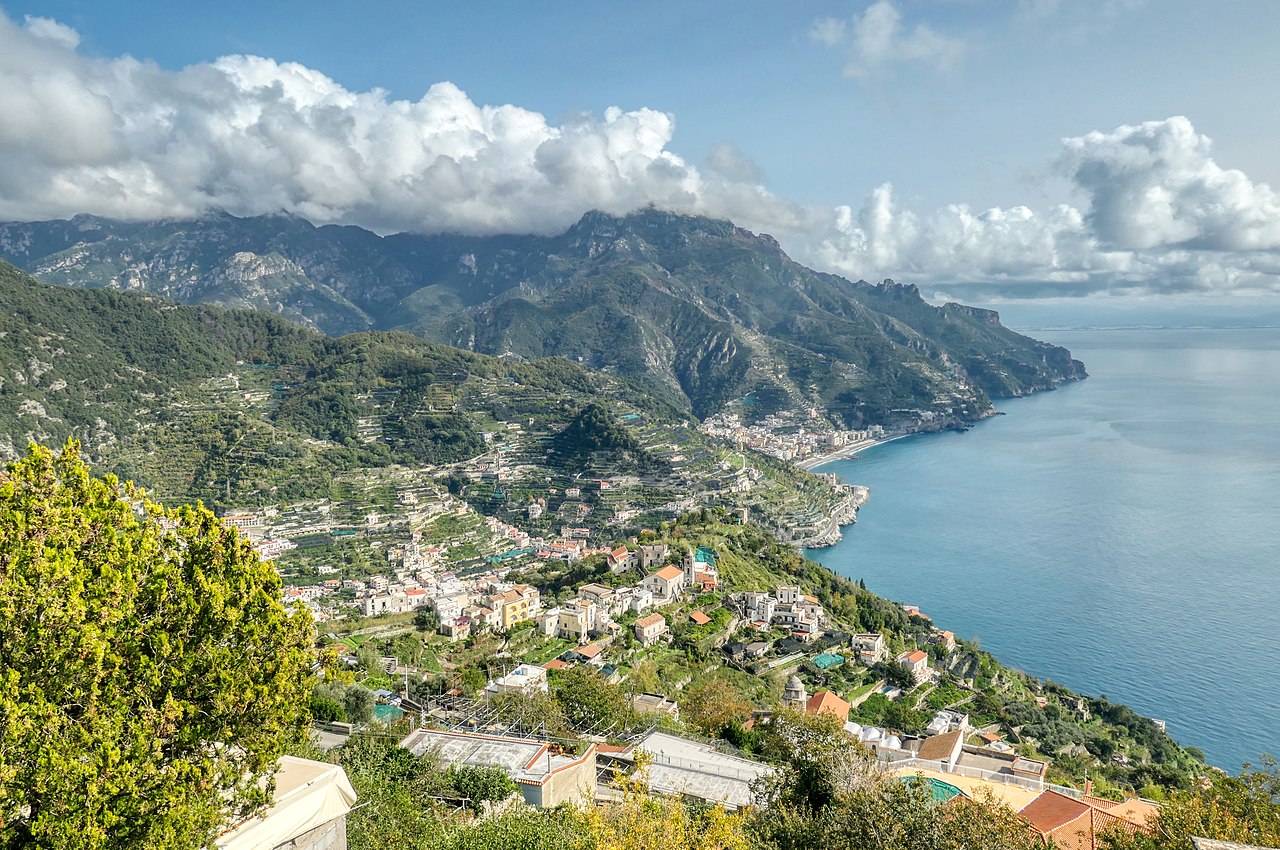
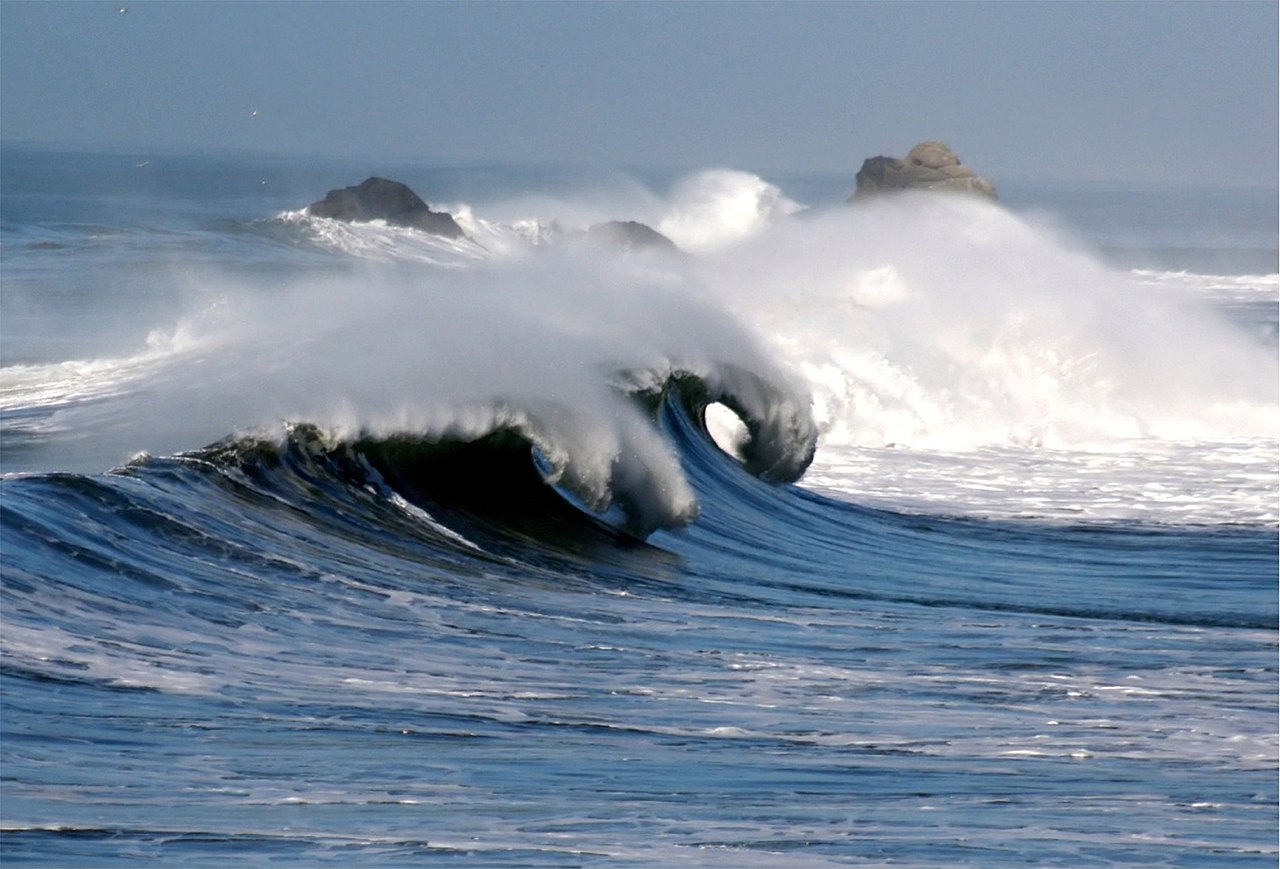
Coasts display a wide variety of landforms shaped by waves, tides, currents, sediment supply and geology. Typical coastal features include cliffs, rocky shores, sandy beaches, dunes, salt marshes and estuaries. The area affected by tides is called the intertidal zone and hosts many specialized plants and animals. Human infrastructure such as ports, promenades and coastal defences also affects how a coast appears and functions.
- Cliffs and rocky coasts: steep faces formed where resistant rock meets the sea.
- Sandy beaches and dunes: places where loose sediment accumulates and shifts with wind and waves.
- Estuaries and deltas: where rivers deliver sediment and freshwater to the coastal sea, creating rich habitats.
- Intertidal zones and salt marshes: biologically productive strips exposed and submerged by tides.
History and human importance
Coasts have been focal points for human settlement, trade and cultural exchange for millennia. Ports, fishing communities and tourist resorts concentrate along accessible shorelines. Entire regions may be known by their coastal identity—for example the East Coast of the United States, which faces the Atlantic Ocean. In some countries, the everyday term seaside is preferred; for example, people in England and Australia commonly refer to the seaside when talking about recreation at the coast.
Ecology, services and risks
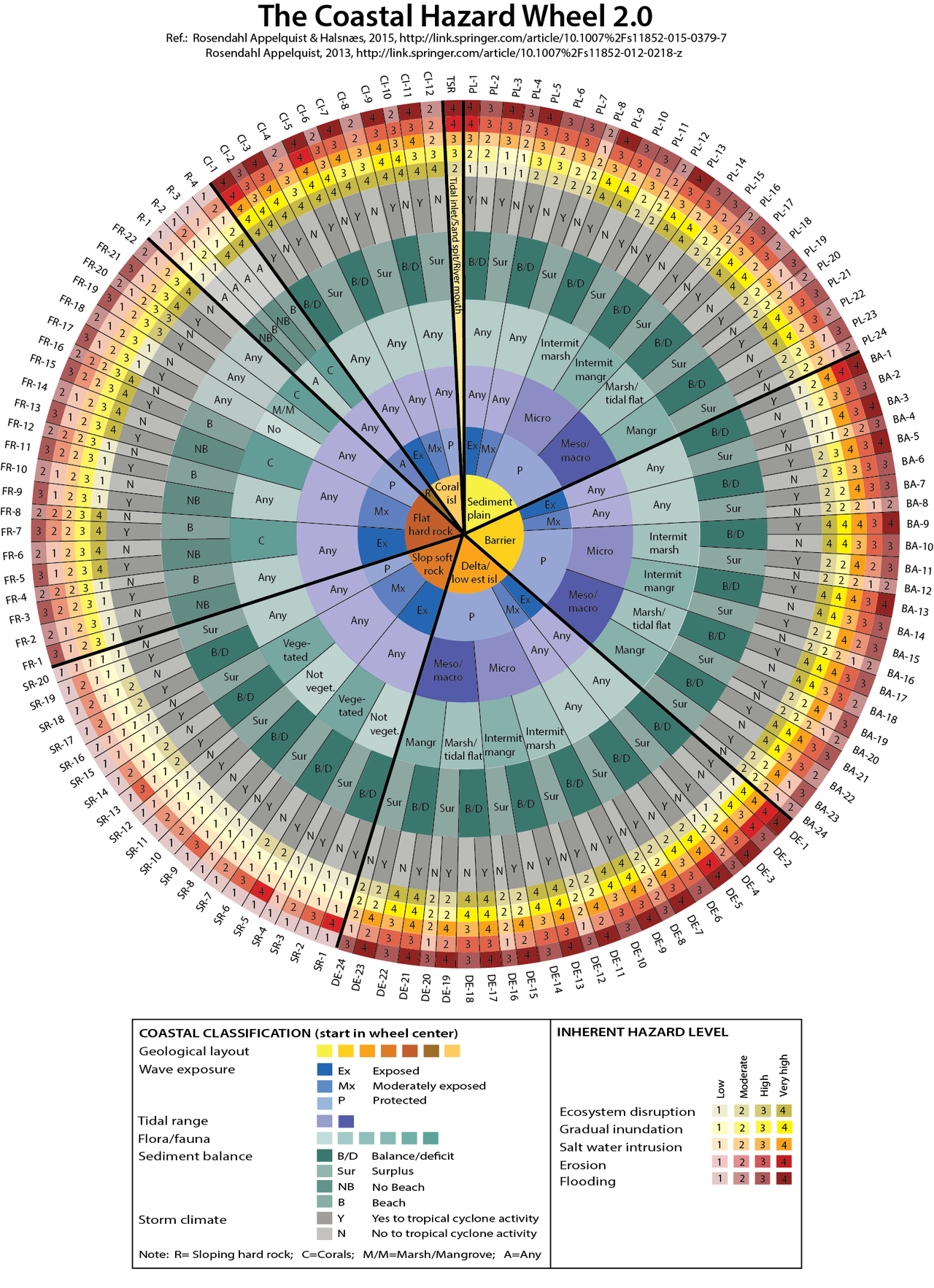
Coastal ecosystems support diverse wildlife, provide nursery areas for fish, and offer services such as protection from storm surges, water filtration and carbon storage. At the same time, coasts are dynamic and vulnerable: natural processes and human activities can lead to shoreline erosion, habitat loss and increased flood risk. Climate-driven sea level rise and stronger storms have heightened concern for many coastal communities, prompting actions ranging from conservation to engineered defences.
Management, examples and notable facts
Coastal management balances development, public access and ecological protection. Strategies include managed retreat, beach nourishment, seawalls and habitat restoration. Local examples illustrate differing challenges: some shorelines accrete and grow, while others erode rapidly. A well-known instance of rapid erosion in the United Kingdom is the Holderness coast near Bridlington, in Great Britain, where soft sediments and wave action have produced significant land loss over time. Effective coastal policy typically relies on monitoring, community planning and combining natural and engineered approaches.
For further reading and regional specifics, see linked resources and authoritative guides on coastal science, planning and conservation. Many introductory texts and government agencies provide maps, hazard forecasts and management plans to help understand particular coasts and their changing conditions.
Related articles
Author
AlegsaOnline.com Coast (shoreline where land meets the sea) Leandro Alegsa
URL: https://en.alegsaonline.com/art/21233