
Oil well: purpose, types, drilling methods and operational roles
A comprehensive overview of oil wells: what they are, classifications, drilling techniques (straight, directional, horizontal), production and injection roles, history, and environmental considerations.
Overview
An oil well is a borehole drilled into the Earth to locate and recover petroleum — crude oil and associated natural gas — from subsurface rock formations. The process involves geologic evaluation, drilling a wellbore to reach the reservoir, completing the hole so fluids can be produced, and operating pumps or other systems to bring hydrocarbons to the surface. The petroleum industry coordinates these activities; for introductions to industry practices see industry resources and basic explanations at technical guides. The product itself is commonly referred to as petroleum in regulatory and commercial contexts.
Image gallery
10 Images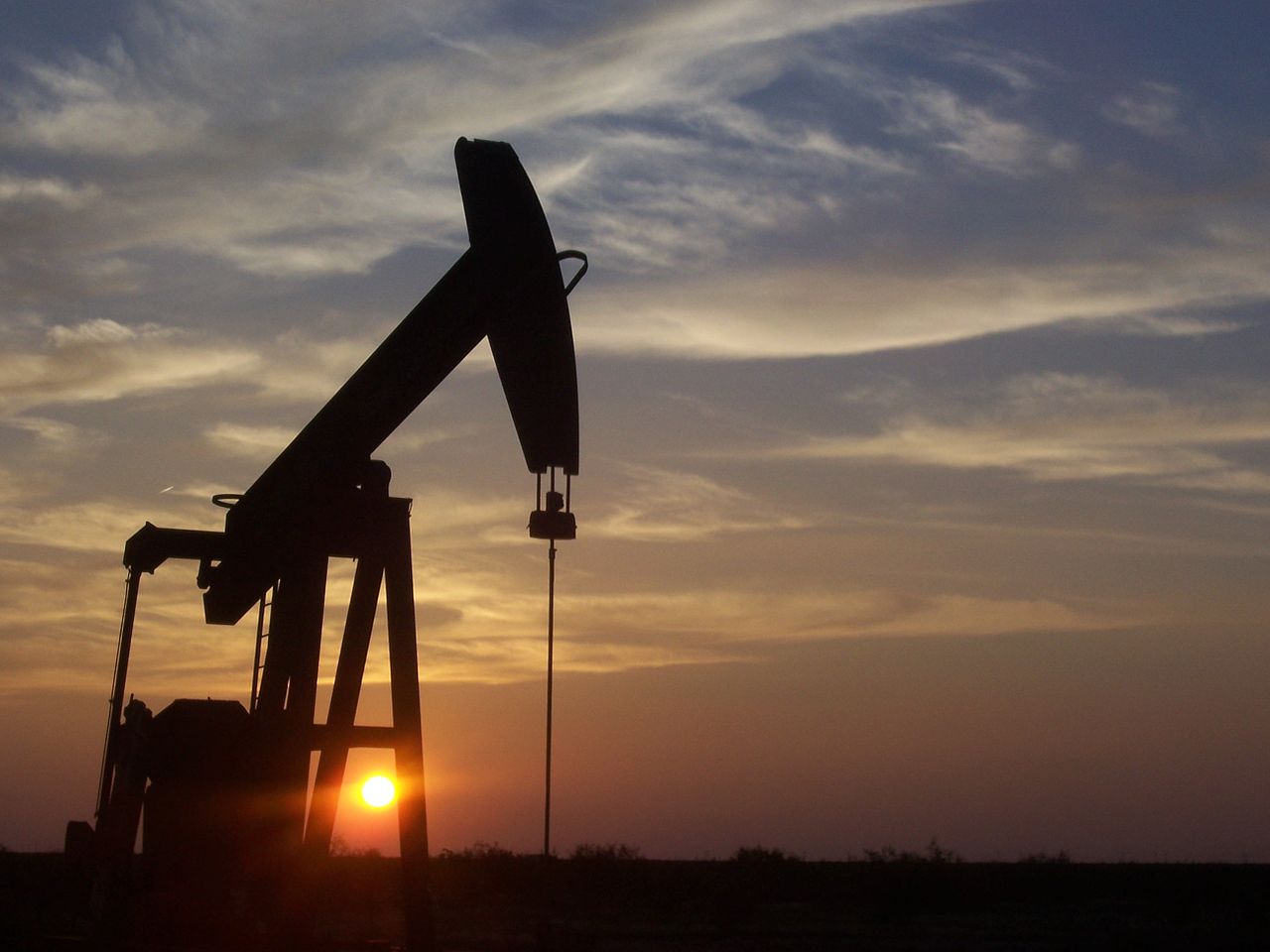


Types and purposes of wells
Wells are classified by their primary purpose. Common categories include:
- Exploration wells — drilled to discover new hydrocarbon accumulations or test geological structures.
- Appraisal wells — follow-up holes used to determine the size, extent and properties of a discovered reservoir.
- Production wells — completed and operated to extract oil and/or gas over the life of a field.
- Wildcat wells — exploration wells drilled in areas not close to existing fields; higher risk and higher reward.
Active wells also have operational roles beyond producing hydrocarbons. For reservoir management, operators use wells as:
- Water injectors — to maintain reservoir pressure and support production.
- Gas injectors — to pressurize the reservoir or store gas for later use.
- Aquifer producers or disposal wells — to control water production or dispose of produced water safely.
Drilling directions and well geometries
Wells are also described by the path of their boreholes. Two broad families exist: vertical (straight) wells and directional wells. Vertical wells are drilled essentially beneath the surface location of the rig and reach the target depth with only minor deviations. Directional drilling intentionally steers the borehole away from the surface location and includes several subtypes:
- Straight kick — the borehole is deviated to a set angle and then held to the target depth.
- S-kick — the borehole deviates to reach a horizontal offset and then returns toward vertical before entering the producing zone, producing an "S" shaped path.
- Horizontal wells — the well is turned until it runs approximately horizontal within the reservoir, exposing a long section of rock to the wellbore and improving contact with the producing formation.
Production, completion and equipment
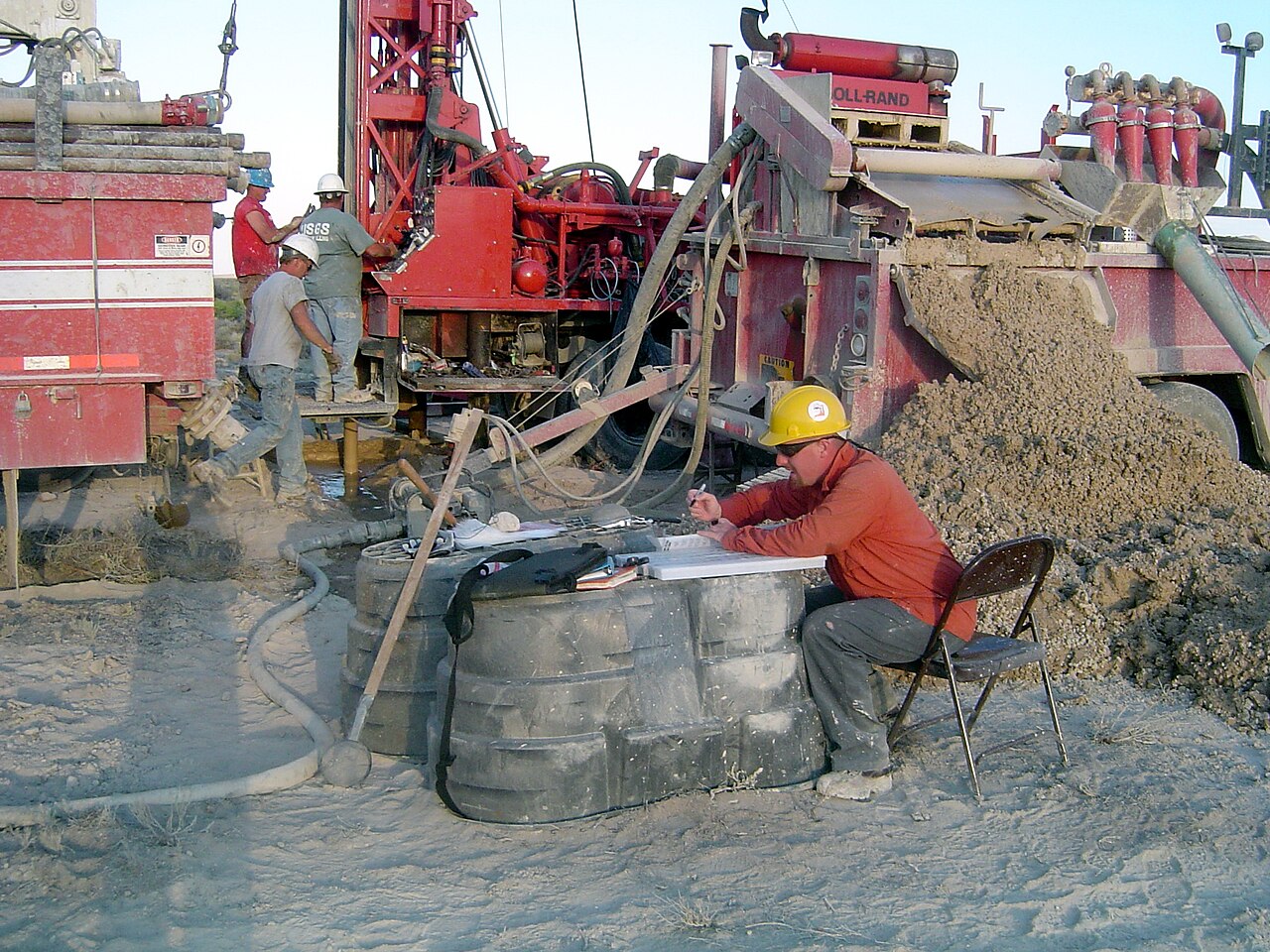
Completion refers to the set of operations that make a drilled well ready to produce. Typical steps include casing the hole with steel pipe, cementing to isolate zones, perforating the casing where hydrocarbons are present, and installing production tubing and surface equipment. Production methods vary: some wells flow naturally under reservoir pressure, others require mechanical pumps, and many modern fields use enhanced recovery techniques such as waterflooding or gas injection to sustain output.
History and development
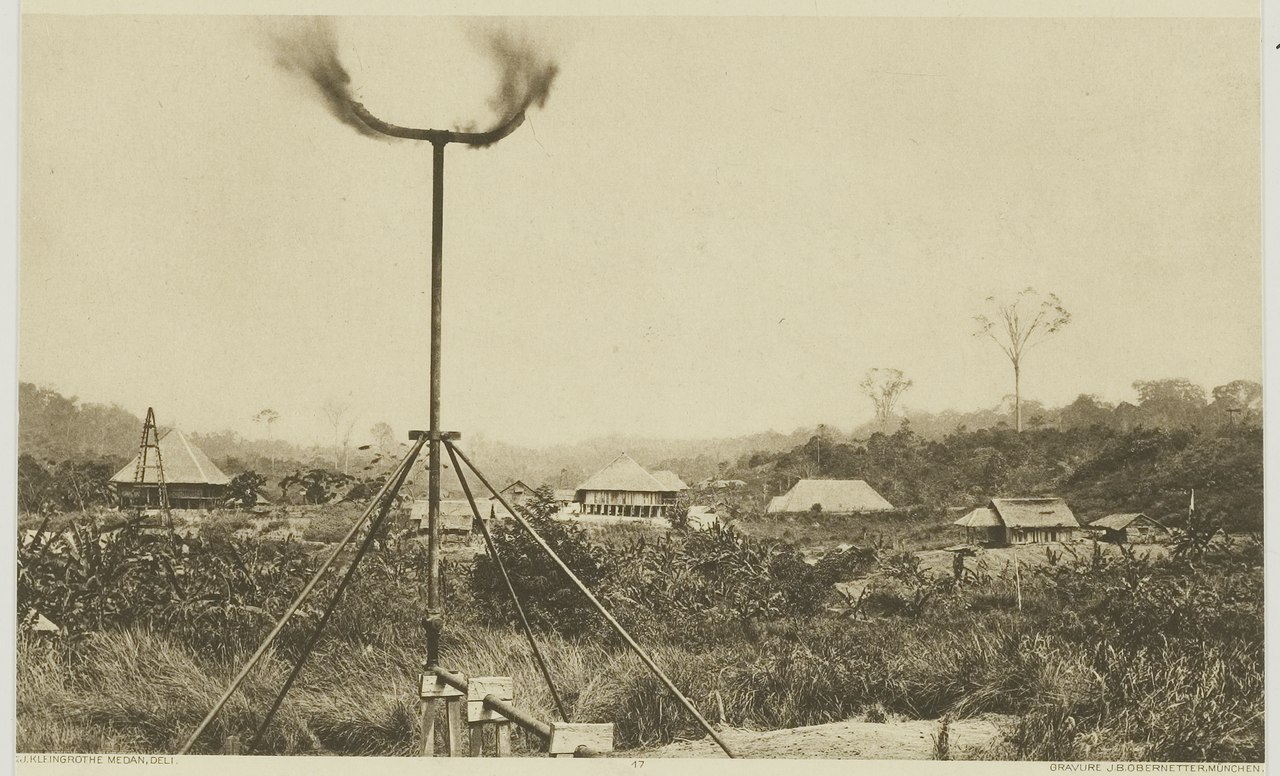
The commercial oil industry began in the 19th century as drilling methods evolved from dug pits and shallow boreholes to rotary drilling capable of much greater depths. Innovations in drilling technology, well logging, directional drilling, and reservoir engineering have transformed how wells are sited and produced. Horizontal drilling and hydraulic stimulation, developed and refined in recent decades, have significantly increased recoverable hydrocarbons from tight formations.
Environmental, safety and regulatory considerations
Oil wells are governed by environmental and safety regulations that address site selection, well construction standards, waste handling, emissions, and closure practices. Operators monitor for leaks, manage produced water, and apply best practices to reduce risks to workers and the environment. Well abandonment — safely sealing a well that is no longer productive — is a critical final step that prevents future migration of fluids.
Notable distinctions and practical examples
Key distinctions to remember: exploration versus production purpose, vertical versus directional geometry, and producing versus injection roles. Modern field development typically combines appraisal drilling, strategically placed production wells and injectors, and a mixture of vertical and horizontal boreholes to optimize recovery while meeting safety and environmental requirements. For further technical references and standards consult specialized sources or regulatory material available through industry guides and professional organizations.
Related articles
Author
AlegsaOnline.com Oil well: purpose, types, drilling methods and operational roles Leandro Alegsa
URL: https://en.alegsaonline.com/art/72152