
Frogs as Pets: Care, Species, Feeding, and Housing
Practical, neutral overview of keeping frogs as pets: common groups, housing, feeding, handling, health, and ethical considerations for prospective owners.
Keeping frogs as companions has become increasingly common among hobbyists who seek an alternative to more conventional animals. Unlike many reptiles, frogs are amphibians and have distinct needs tied to their skin and life cycles. They are often classed among exotic pets because many species originate from tropical or subtropical habitats and require special husbandry. Popular groups found in the pet trade include true frogs (ranids), tree frogs (hylids), toads (bufonids), South American ground frogs (leptodactylids) and poison dart frogs (dendrobatids). Each group differs in size, activity pattern and captive requirements.
Image gallery
2 Images
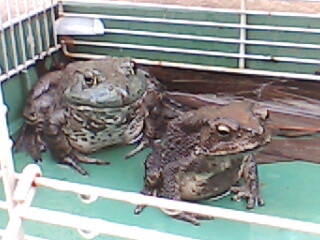
Key characteristics and housing
Frogs vary from small, arboreal species under a few centimetres to bulky ground-dwellers that can eat vertebrate prey. Their permeable skin means humidity, temperature and water quality directly affect health. Enclosures should be chosen to match a species' habits: tall, planted enclosures for climbers and wider tanks with both land and water for semi-aquatic species. Tree-dwelling frogs need secure lids because agile individuals can escape; conversely, aquatic and burrowing species need stable water chemistry and appropriate substrate. All water provided should be treated or dechlorinated because disinfectants in tap water can harm amphibians.
Feeding and nutrition
Most captive frogs accept live food and their diet generally depends on size and natural history. Small insectivores consume tiny prey while larger species can take larger invertebrates or vertebrate prey. Common feeder items include:
- Crickets, fruit flies and springtails for small species.
- Mealworms, waxworms, butterworms and silkworms for medium-sized frogs.
- Fish, small amphibians or rodents occasionally for large predatory frogs.
Proper nutrition includes gut-loading feeders (feeding nutrients to the prey) and dusting them with calcium and vitamin supplements when appropriate. Feeding frequency varies with age and species; juveniles typically eat more often than adults.
Enclosure design should support both activity and hygiene. For arboreal species like many tree frogs, provide climbing branches, hiding spots and a secure top; for semi-aquatic species, include a shallow water area that is easy to clean. Substrate choices range from coconut fiber and moss to bare, washable surfaces for species that require low humidity. Humidity can be maintained with manual misting or automatic systems in tropical setups. Lighting should replicate a day–night cycle; ultraviolet (UV) requirements vary by species and are a topic to research before acquiring any frog.
Care, handling and health
Frogs are delicate: their skin absorbs chemicals and oils, so handling should be minimal and always with clean, wet hands or gloves. Stress from frequent handling can cause illness. Keepers should be alert to signs of poor health such as lethargy, weight loss, skin lesions or abnormal behavior. Quarantine new animals before introducing them to an established collection. Many amphibians are susceptible to contagious diseases like chytridiomycosis and ranavirus; responsible care includes sourcing animals from reputable breeders, maintaining cleanliness and avoiding release of captive frogs into the wild.
Before adopting a frog, research species-specific needs, legal restrictions and long-term commitment. Some frogs are long-lived and may require veterinary care from clinicians experienced with amphibians. Ethical considerations include the conservation impact of collecting wild specimens and ensuring that captive conditions meet biological needs. Prospective pet owners should weigh the appeal of these distinctive animals against the specialized care they require and seek further resources for husbandry details from breeders, experienced keepers and authoritative care guides (more on frogs, exotic pet).
Related articles
Author
AlegsaOnline.com Frogs as Pets: Care, Species, Feeding, and Housing Leandro Alegsa
URL: https://en.alegsaonline.com/art/36795